How to Plan a Perfect Fusion Wedding Ceremony Flow
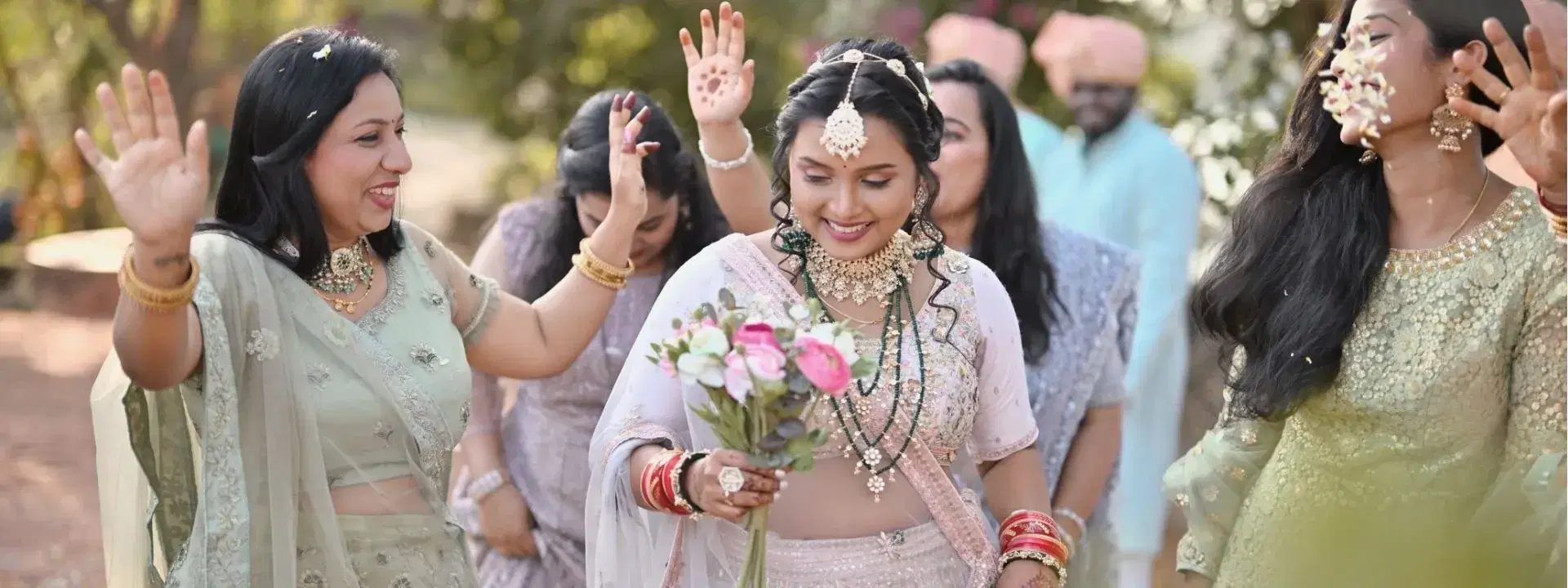
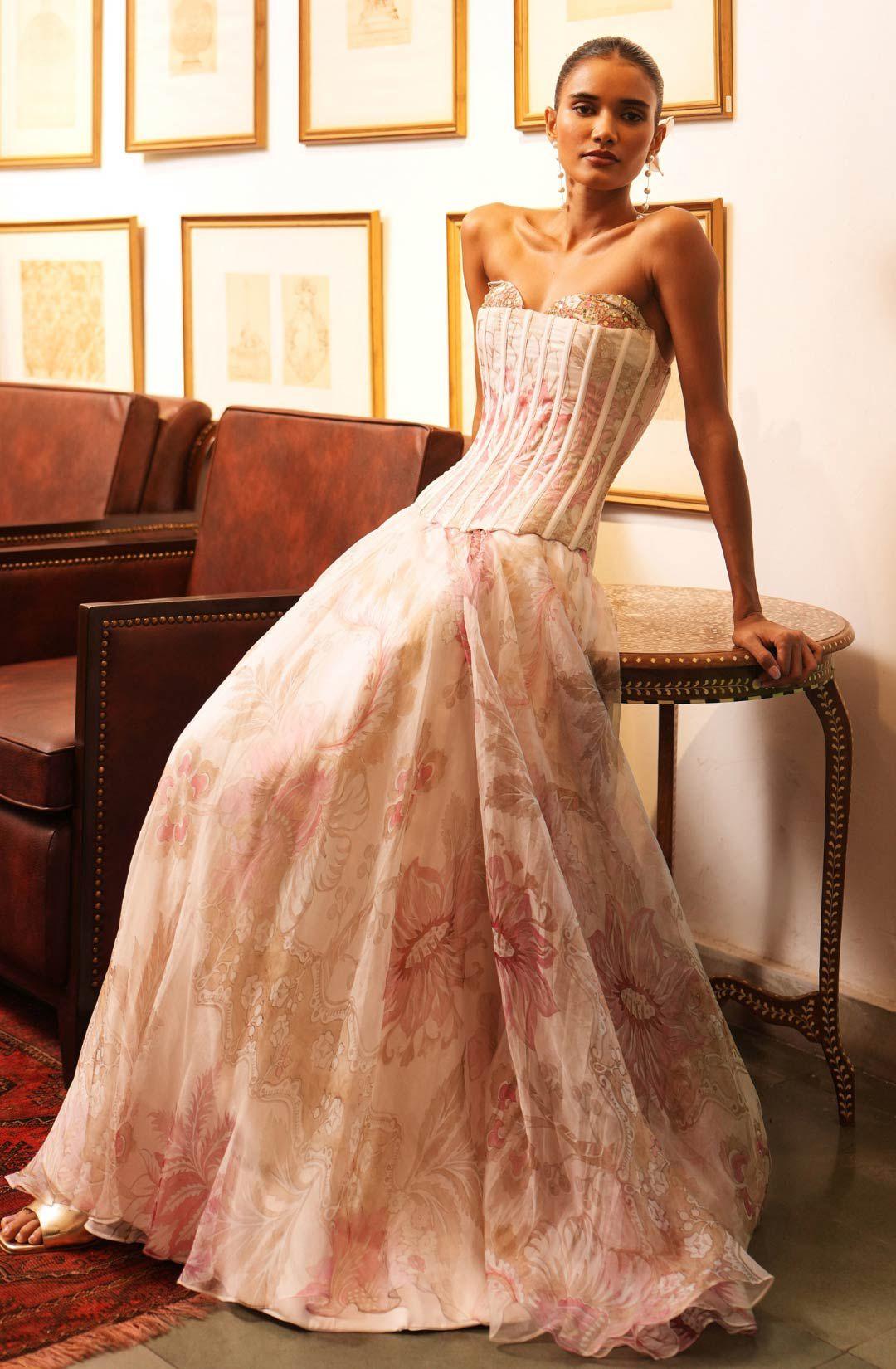
Planning a fusion wedding ceremony means creating something entirely new while honoring two beautiful traditions. You're going above and beyond planning one wedding—you're weaving together different cultures, families, and customs into a celebration that feels authentically yours. The key lies in understanding how to structure your ceremony flow so every moment feels intentional and meaningful.
A fusion wedding ceremony blends elements from two or more cultural or religious traditions into one cohesive celebration. Unlike traditional ceremonies that follow established patterns, your fusion ceremony becomes a unique reflection of your combined heritage and values.
Traditional weddings follow predictable scripts. Fusion weddings require thoughtful curation. You're selecting meaningful elements from each tradition while ensuring the ceremony flows naturally for your guests. This might mean incorporating a Hindu fire ceremony alongside Christian vows, or blending Jewish traditions with Latino customs.
The beauty of fusion ceremonies lies in their flexibility. You can honor your grandmother's expectations while creating something that speaks to your modern relationship. Every choice becomes intentional, every ritual carries extra weight because you've specifically chosen to include it.
Certain ceremony components translate beautifully across traditions. The processional creates anticipation regardless of cultural background. Vow exchanges resonate universally, whether spoken in English, Hindi, Spanish, or multiple languages. Unity ceremonies—lighting candles, mixing sand, or tying knots—symbolize union in every culture.
Music serves as your strongest bridge between traditions. A string quartet can seamlessly transition from classical Western pieces to traditional Indian ragas. Your DJ can blend cultural songs during key moments, helping guests understand the significance of each transition.
Your fusion wedding ceremony order of events needs more planning than traditional weddings because you're coordinating multiple cultural expectations and potentially different officiants.
You have three main structural options. A single blended ceremony incorporates elements from both traditions into one continuous flow. This works well when traditions complement each other naturally. Separate ceremonies on the same day allow each tradition full expression—perhaps a morning Hindu ceremony followed by an evening Christian service. Multi-day celebrations give each culture dedicated time and space.
Consider your families' comfort levels and travel logistics. If one side has strong religious requirements, separate ceremonies might reduce stress. If you want all guests to experience both cultures, a single blended ceremony creates shared memories.
Your program becomes an educational tool for guests unfamiliar with certain traditions. Include brief explanations of each ritual's significance. "The couple will now participate in the saptapadi, or seven steps, representing their seven vows for married life." This helps everyone feel included rather than confused.
Consider bilingual programs if your families speak different languages. Visual elements like symbols or illustrations can bridge language gaps. Digital programs accessed via QR codes allow for more detailed explanations without overwhelming printed materials.
Pro Tip
Create a "ceremony guide" section in your program that lists the order of events with one-sentence explanations. This helps guests follow along and understand the significance of each moment without lengthy descriptions.
Your ceremony events should build emotional momentum while honoring both traditions authentically.
Start with cultural music as guests arrive. This sets the tone and helps everyone transition into celebration mode. If incorporating South Asian traditions, consider a brief Ganesh Puja or blessing ceremony before guests arrive. Jewish ceremonies might include the bedeken (veiling ceremony) during this time.
Use this period for family photos and last-minute coordination. Your wedding party can practice any unfamiliar cultural elements one final time. This buffer time prevents the ceremony from feeling rushed.
Your processional order depends on which traditions you're blending. Indian ceremonies often include the baraat (groom's arrival procession) before the bride's entrance. Christian traditions focus on the bridal party processional. Jewish ceremonies include both families in the processional.
Plan music transitions carefully. You might start with traditional Western processional music, transition to cultural instruments for specific entrances, then return to familiar melodies. Each transition should feel natural, not jarring.
Begin with acknowledgments that honor both traditions and families. Your officiant might offer opening prayers or blessings from each culture. This is your opportunity to set expectations and help guests understand what they'll experience.
Consider having family members from each tradition offer brief welcomes or blessings. This creates immediate inclusion and shows both families' support for your fusion approach.
Your vow exchange can incorporate elements from both traditions. You might exchange rings in the Western tradition, then participate in a Hindu mangalsutra ceremony, followed by Jewish glass breaking. The key is smooth transitions that feel connected rather than disjointed.
Unity ceremonies work beautifully in fusion weddings. Sand ceremonies can use sand from meaningful locations in both cultures. Candle lighting can incorporate family candles from each tradition. These visual elements help guests understand the blending happening before them.
Different cultural pairings require specific considerations for successful integration.
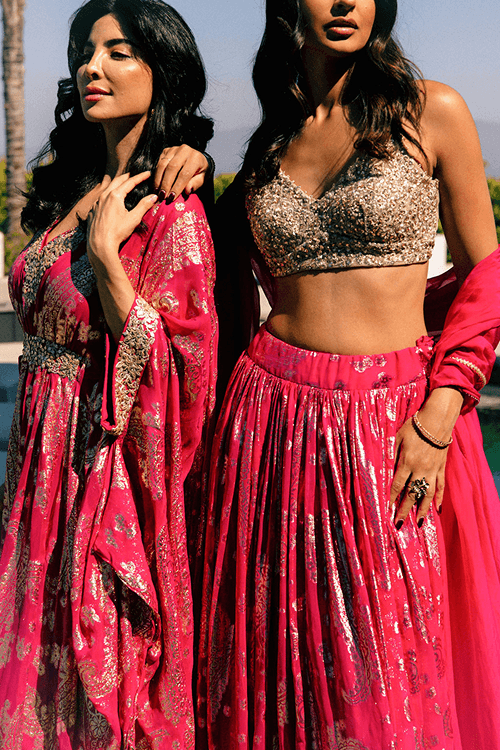
Indian fusion weddings often span multiple days, allowing each tradition dedicated space. You might have Haldi and Mehndi ceremonies leading up to a blended ceremony day. The actual wedding ceremony could incorporate the Hindu fire ceremony (agni) alongside Christian vows and ring exchange.
Sikh-American weddings might include the Anand Karaj ceremony in a gurdwara followed by a Western-style reception. The key is respecting religious requirements while creating meaningful fusion moments.
Jewish-Christian ceremonies often blend beautifully because both traditions emphasize covenant and community. You might include the chuppah (wedding canopy) alongside Christian liturgy, ending with both communion and glass breaking.
Latino-American fusions can incorporate las arras (coin ceremony) and el lazo (lasso ceremony) into traditional American ceremony structures. These rituals add meaningful symbolism without disrupting familiar flow.
Successful fusion ceremonies require careful attention to practical details.
Plan for 45–75 minutes depending on how many traditions you're incorporating. Build in buffer time between major elements so nothing feels rushed. Consider guest comfort—longer ceremonies might need brief explanations or even intermissions.
Weather contingencies matter more for fusion ceremonies because you might have specific requirements like outdoor fire ceremonies or particular directional orientations. Have backup plans that maintain cultural integrity.
Working with religious leaders from different traditions requires diplomatic communication. Schedule joint planning meetings so everyone understands their role and timing. Create detailed scripts that specify who speaks when and how transitions happen.
Some couples choose one primary officiant who incorporates elements from both traditions, while others have co-officiants who share responsibilities. The key is clear communication and mutual respect between all parties.
Your guests' comfort and understanding directly impact your ceremony's success.
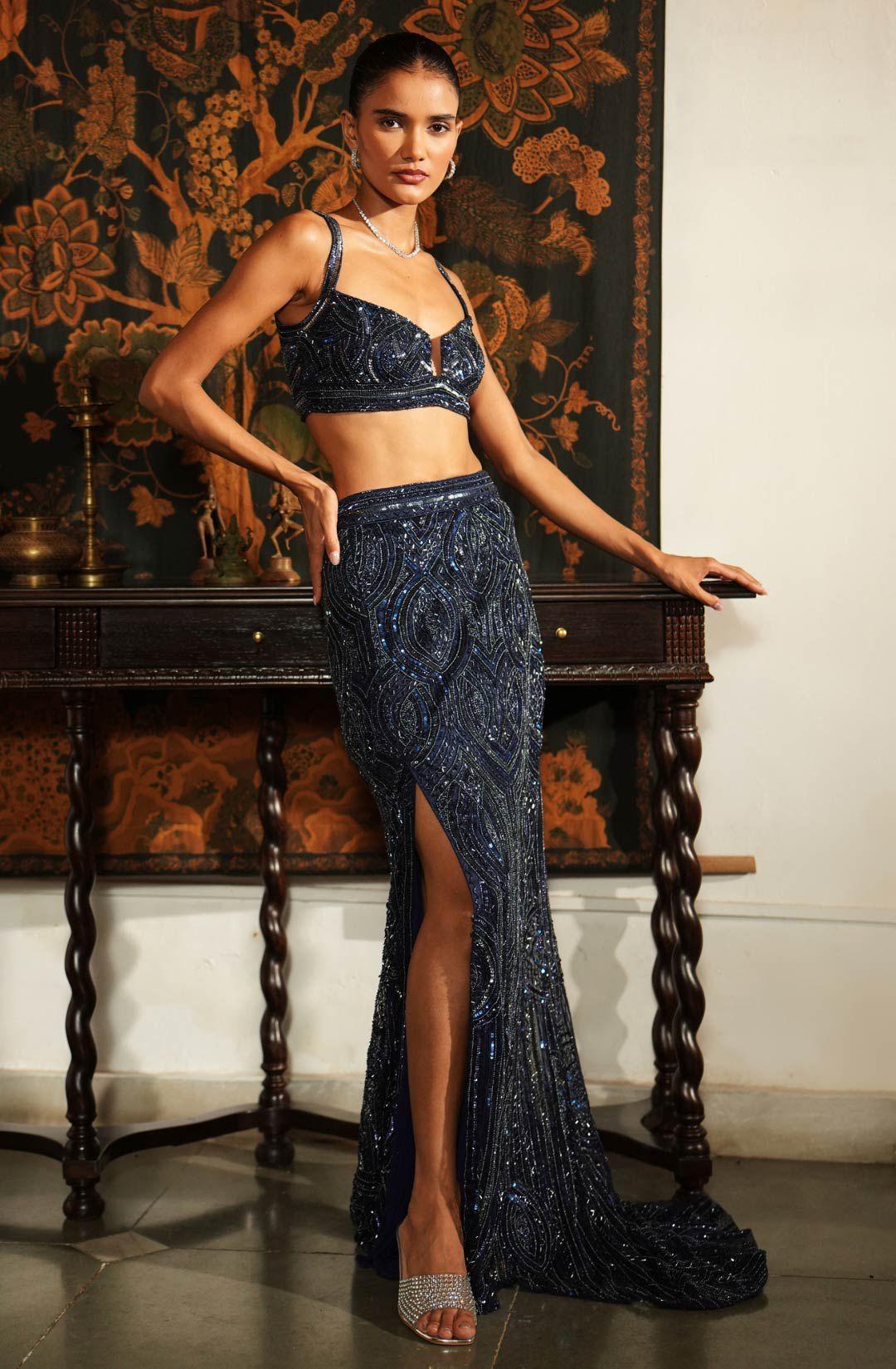
Send pre-wedding information explaining what guests will experience. Include dress code guidance that respects both traditions. Some cultures prefer modest coverage while others celebrate vibrant colors. Give guests enough information to feel confident and respectful.
Consider hosting a casual gathering before the wedding where families can meet and learn about each other's traditions. This reduces wedding day anxiety and creates connection.
Brief explanations during the ceremony help guests follow along without feeling lectured. Your officiant might say, "Now we'll participate in the seven steps around the sacred fire, each step representing a vow for their married life together."
Interactive elements work well when appropriate to the traditions. Guests might participate in call-and-response blessings or group prayers that don't require specific religious knowledge.
Most fusion ceremonies run 45–75 minutes, depending on how many cultural elements you include. Plan extra time for explanations and transitions between traditions to keep guests engaged and comfortable.
Absolutely. Many couples choose separate ceremonies either on the same day or different days. This allows each tradition full expression without compromise and can be easier for families with strong religious requirements.
Consult with religious leaders early in planning to understand non-negotiable elements. Consider separate blessing ceremonies or creative adaptations that honor both faiths. Sometimes timing or location adjustments can resolve conflicts.
Include the ceremony order with brief explanations of each ritual's significance. Consider bilingual elements if families speak different languages. A simple "ceremony guide" section helps guests follow along without overwhelming detail.
Many couples find success shopping at specialty cultural retailers, working with designers who understand fusion needs, or exploring collections like KYNAH by David's Bridal for South Asian options. Look for pieces that can transition between ceremony elements.
Your fusion wedding ceremony represents the beautiful complexity of modern love—honoring where you come from while creating something entirely new together. The perfect ceremony flow balances respect for tradition with authentic expression of your relationship. Trust your instincts, communicate openly with your families, and remember that the most important element is the love you're celebrating. Your thoughtful planning will create a ceremony that feels both deeply meaningful and uniquely yours.