What to Wear to an Indian Wedding as a Guest
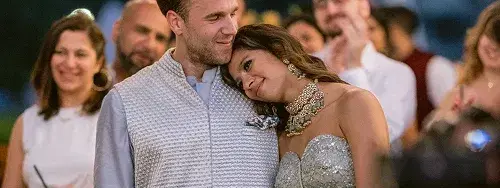
Indian weddings are a celebration of love, culture, and color—and if you’ve been invited to one, you’re in for one unforgettable experience! Unlike Western weddings, Indian weddings often unfold over several days, with different events that each carry their own dress expectations. Most guests wear multiple outfits throughout the festivities, embracing vibrant colors, modest silhouettes, and comfortable fabrics suitable for long, joy‑filled celebrations.
If you’re new to Indian fashion (or simply want guidance on what’s appropriate) this guide breaks down what to wear to each event, which colors to avoid, outfit ideas for women and men, and how to navigate Indian silhouettes like saris and lehengas.
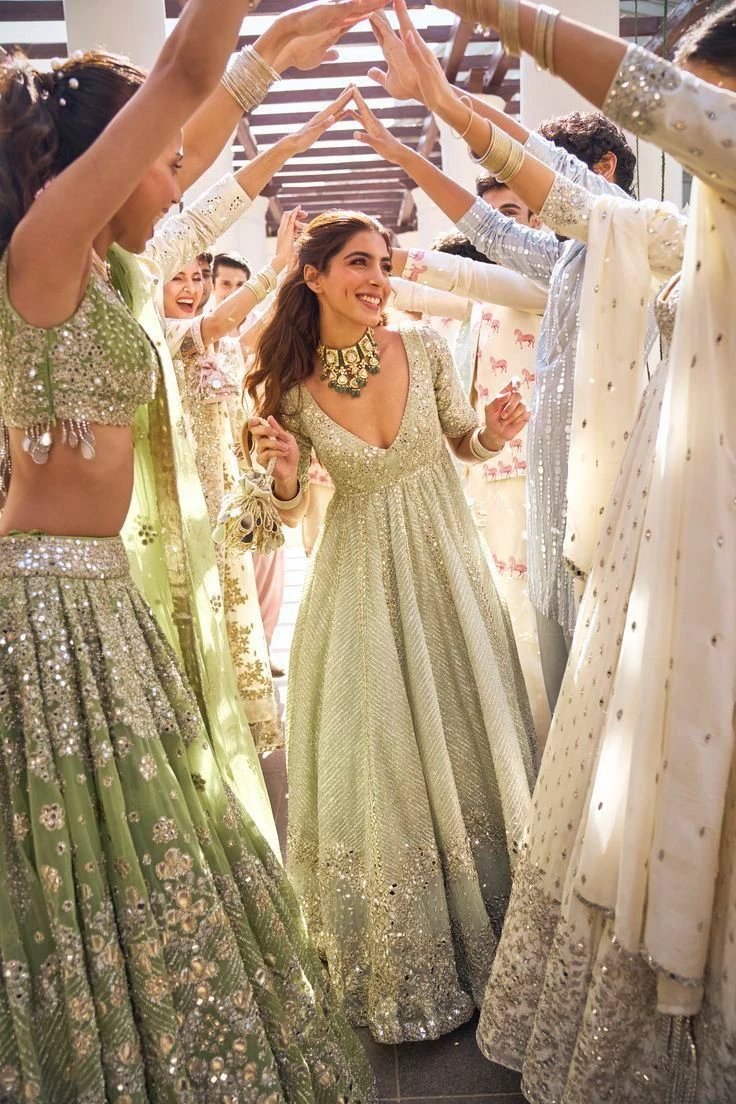
Indian weddings are typically multi‑event celebrations that span a Mehendi, a Haldi, a Sangeet, and the wedding ceremony itself. Because each function has its own tone and traditions, guests are encouraged to dress accordingly. Unlike Western weddings where understated elegance is the norm, Indian weddings welcome festive dressing, bold colors, and ornate textures. Guests from all backgrounds are encouraged to embrace traditional attire.
While Indian weddings encourage color, a few shades carry strong cultural meaning and are best avoided—especially for the main ceremony.
Red is considered the ultimate bridal color in many Indian communities, and brides often wear red or maroon for their ceremony. Both male and female guests alike should avoid wearing red on the wedding day to ensure the bride stands apart.
White traditionally symbolizes mourning and funerals in many Indian communities, making it seen as inappropriate for celebratory events like weddings (unless of course, the dress code specifically requests it!).
Black is widely seen as inauspicious for major life ceremonies and is best avoided for the vows.
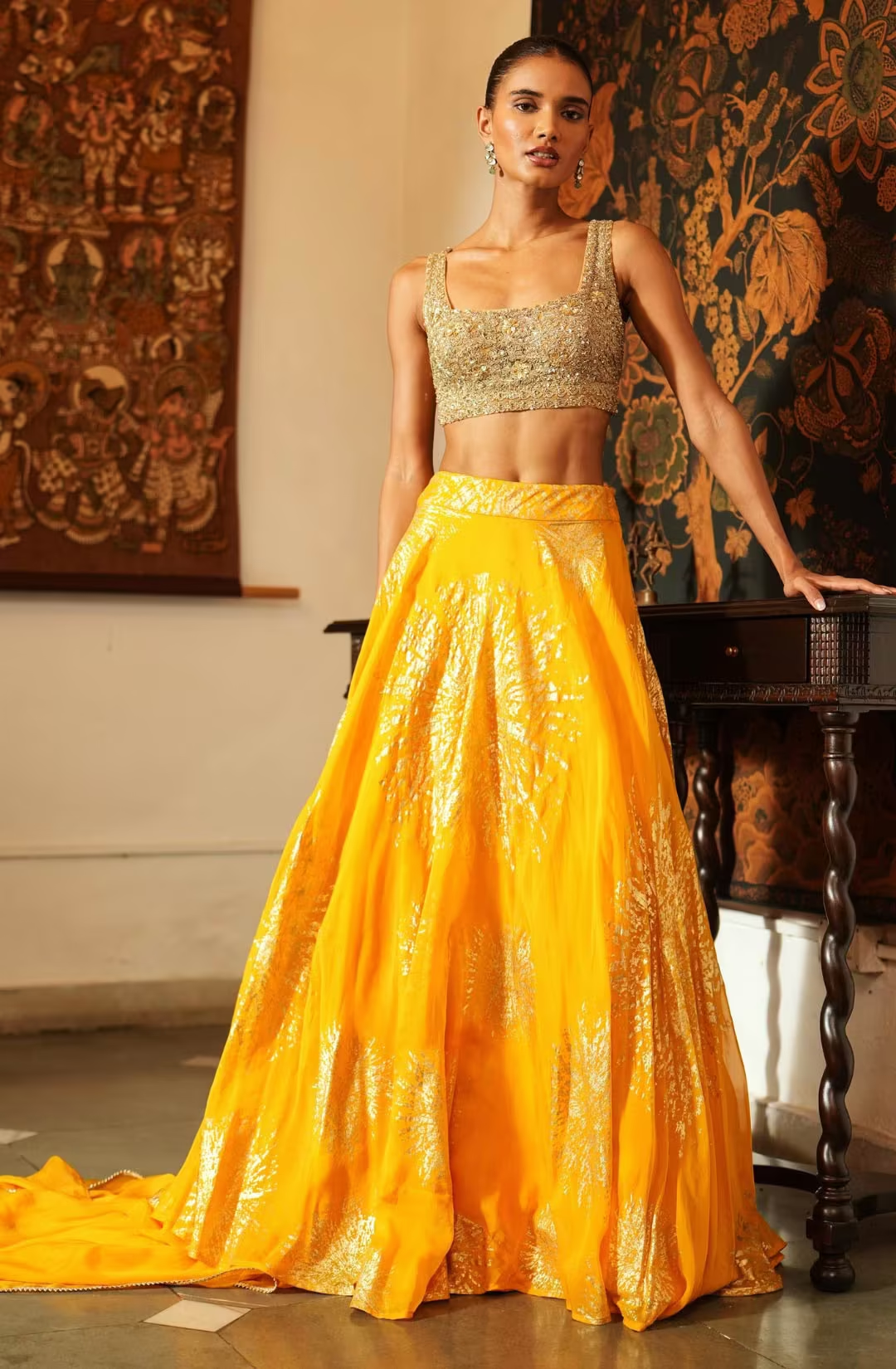
Indian weddings are a chance to embrace joyful, saturated color. These shades are especially welcome:
Yellows, mustards, and marigolds—perfect for Haldi ceremonies
Greens—traditional favorites for Mehendi events
Jewel tones like emerald, royal blue, magenta, plum, and ruby
Metallics such as gold and champagne for evening events
Pastels for daytime weddings, and deeper tones for evening ceremonies
These hues photograph beautifully and honor the vibrant spirit of Indian celebrations.
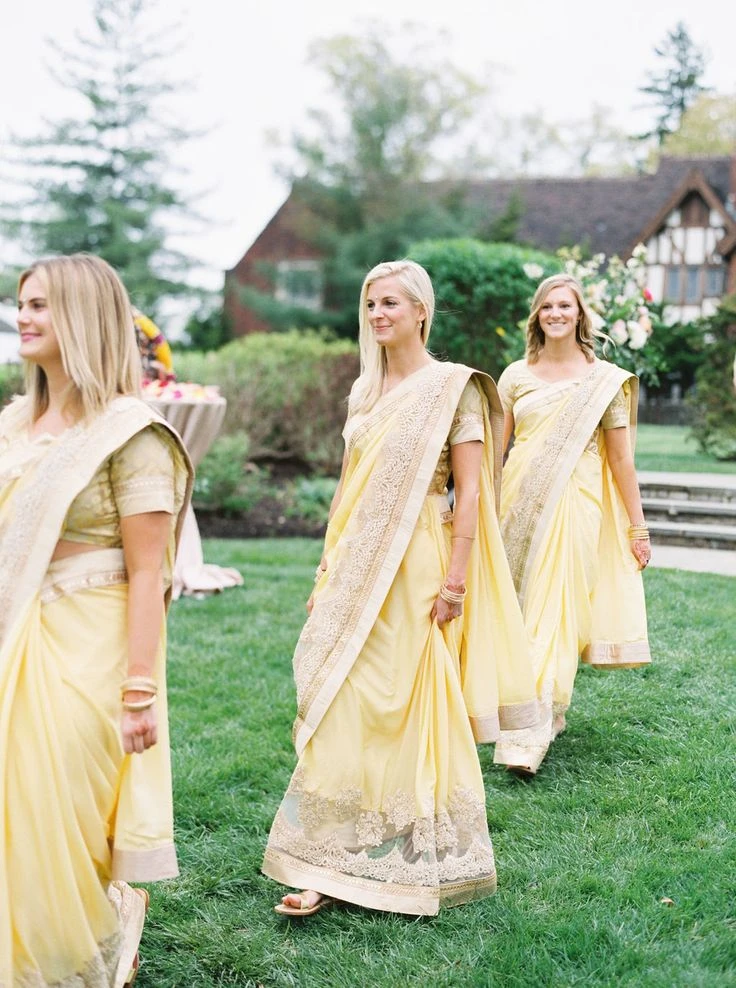
If you’re not familiar with Indian attire, here’s a quick breakdown of two of the most common silhouettes for women.
A sari is a long, single piece of draped fabric worn over a fitted blouse and a petticoat. It’s timeless, elegant, and appropriate for most events—including the ceremony and reception. Many guests choose lightweight chiffon or georgette for daytime events and silk for formal ceremonies.
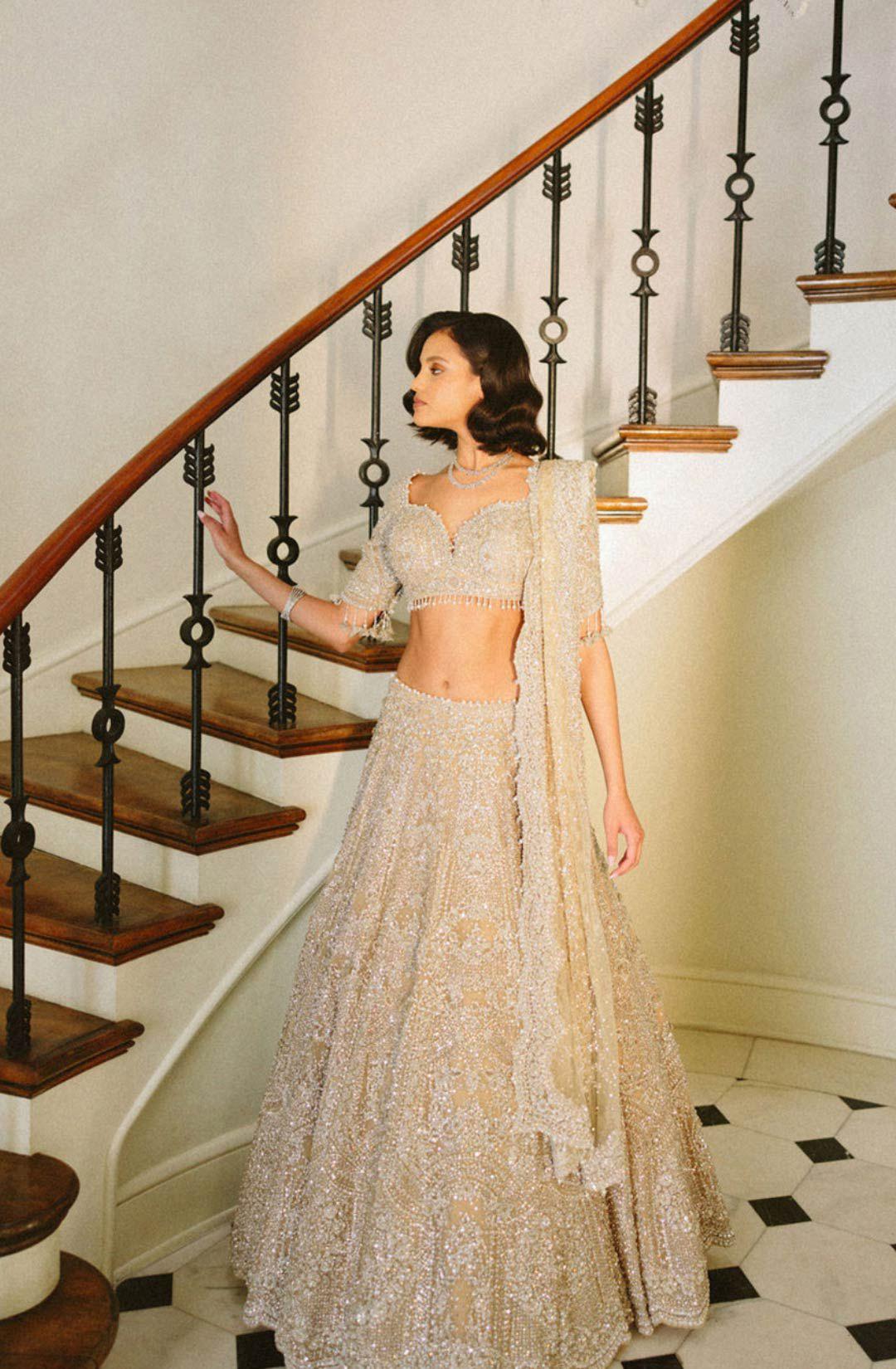
A lehenga choli (often times called just lehenga), on the other hand, is a three‑piece outfit featuring a full floor-length skirt, fitted blouse, and a dupatta—a draped scarf that goes over one shoulder. It’s a go‑to choice for evening celebrations like the Sangeet, where guests often look for something glamorous yet comfortable enough to move in.
Both styles are widely worn, and guests of all backgrounds can choose either.
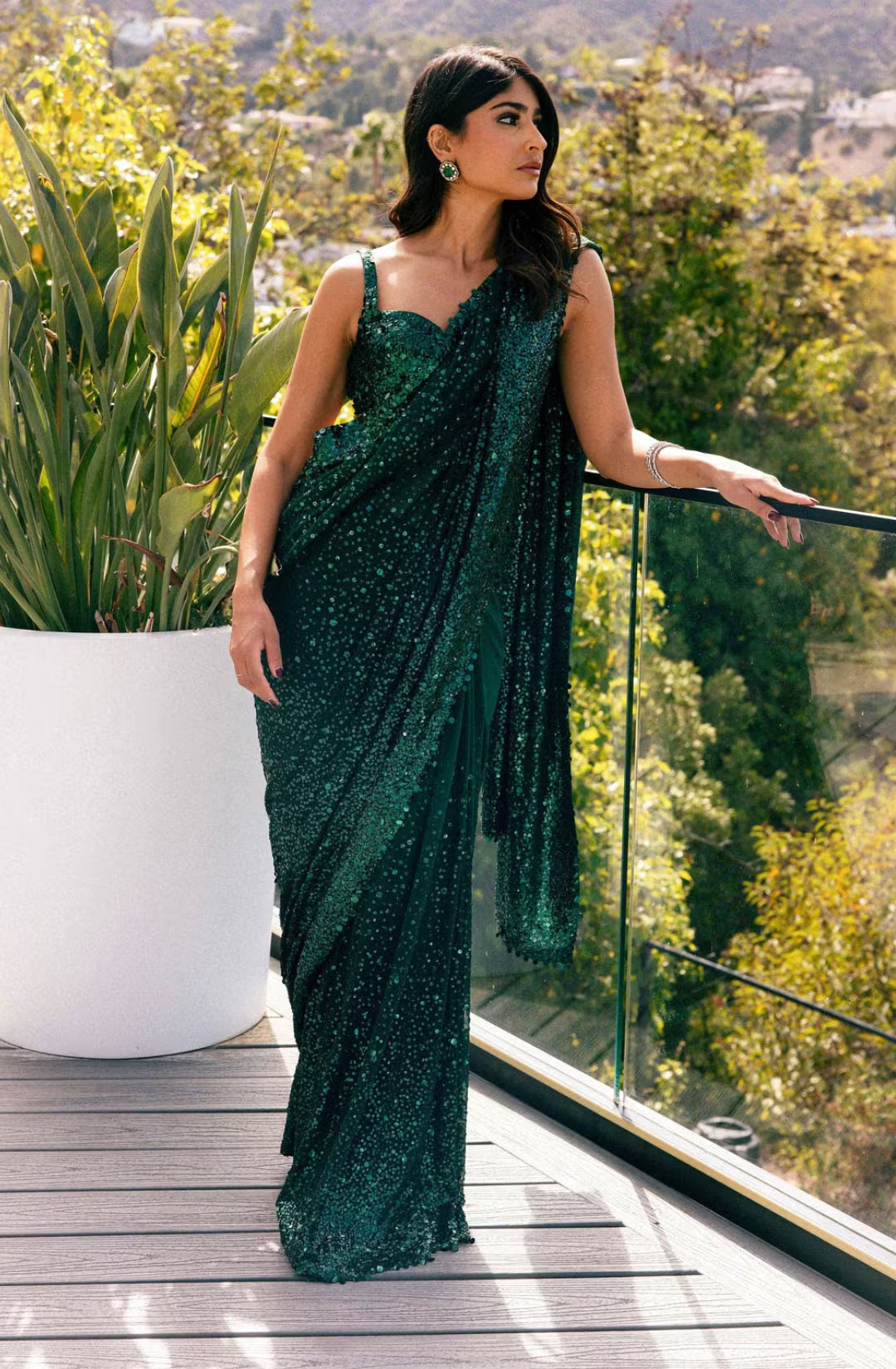
Below is an event‑by‑event guide with outfit suggestions, color ideas, and expectations for women—with quick notes for the guys, too.
What to wear: Choose festive, breathable outfits (often in shades of green) that allow easy movement while henna is applied.
Why: The bride and guests may be seated for long periods during the henna application, so comfort is key.
Suggested looks: Lightweight lehengas, sharara sets, printed or pre‑draped saris. As this is typically a more informal pre-wedding ceremony, traditional Indian attire is not required. However, if you choose to wear a Western look, make sure you preserve modesty out of respect for the couple.
For men: A bright kurta in green, mustard, or teal.
What to wear: Something in yellow, mustard, or light orange—and something you don’t mind getting a little messy.
Why: The Haldi involves applying turmeric paste to the couple, and splashes can happen!
Suggested looks: Anarkalis, simple skirt‑and‑top sets, or easy‑wash saris in cotton, chiffon, or georgette.
For men: A yellow or mustard kurta with white pants.
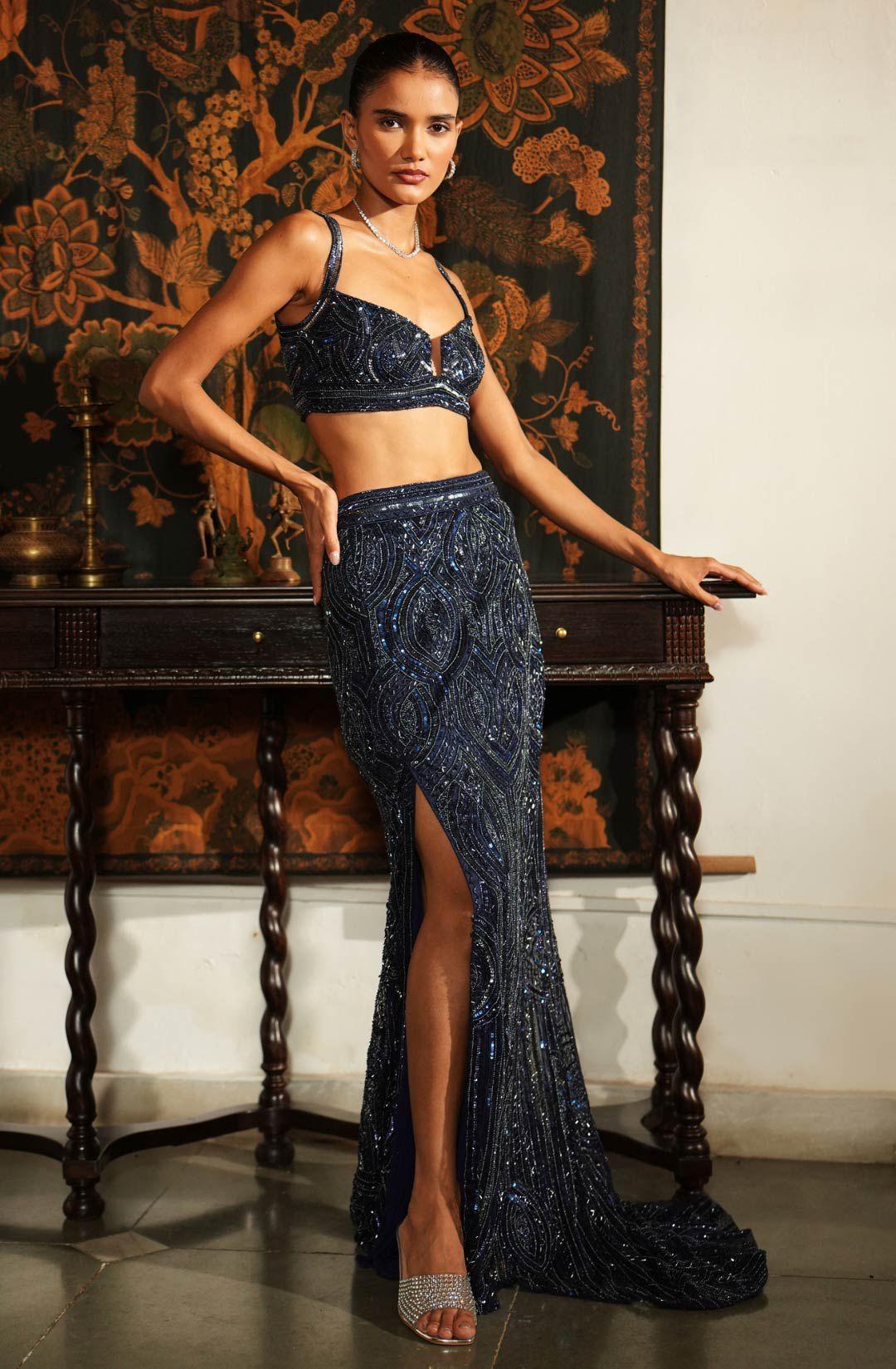
What to wear: Glamorous, dance‑friendly outfits that allow movement and sparkle under lights.
Why: The Sangeet is a music‑filled evening celebration centered on dancing (sometimes competitive dancing!).
Suggested looks: Sequined lehengas, pre‑draped saris, or modest evening gowns in jewel tones or metallics. Make sure you can move!
For men: A kurta with a Nehru jacket or a tailored sherwani for close family.
What to wear: Traditional Indian attire such as a sari or lehenga, styled modestly.
Why: The ceremony is sacred, formal, and guided by cultural norms.
Colors: Choose pastels for daytime or deep jewel tones for evening; avoid red, black, and white.
Suggested looks: Silk saris, brocade lehengas, or structured pre‑draped saris that offer elegance and comfort.
For men: A sherwani or formal kurta with a stole.
-25346060-78cd-4d8c-8508-f8daf7b720ab.webp)
Indian weddings are rooted in cultural tradition, so aim for silhouettes that balance style and respect:
Covered shoulders or a draped dupatta
Tasteful necklines
Comfortable shoes (block heels or dressy flats)
Breathable fabrics suitable for long ceremonies
If the ceremony takes place in a temple or gurdwara, women may be asked to cover their heads temporarily—your dupatta works perfectly.
Absolutely. Guests are encouraged to embrace traditional attire respectfully, regardless of cultural background.
Most Indian weddings span multiple events, so plan for at least 2–4 outfits depending on the schedule. (More reasons to dress up, yay)!
For the Sangeet or reception, yes. For the main ceremony, traditional Indian attire is more appropriate.
Yellow, mustard, and marigold—these match the joyful turmeric ritual.
Red is traditionally the bride’s color and symbolizes prosperity and new beginnings.
A pre‑draped sari or a lightweight lehenga is usually the easiest and most comfortable.
Sleeveless is generally fine for evening events. For the ceremony, consider adding a dupatta for modesty.
Block heels, low wedges, or elegant flats. Indian weddings often involve walking, standing, and dancing.