Marriage Tips
•05 min read
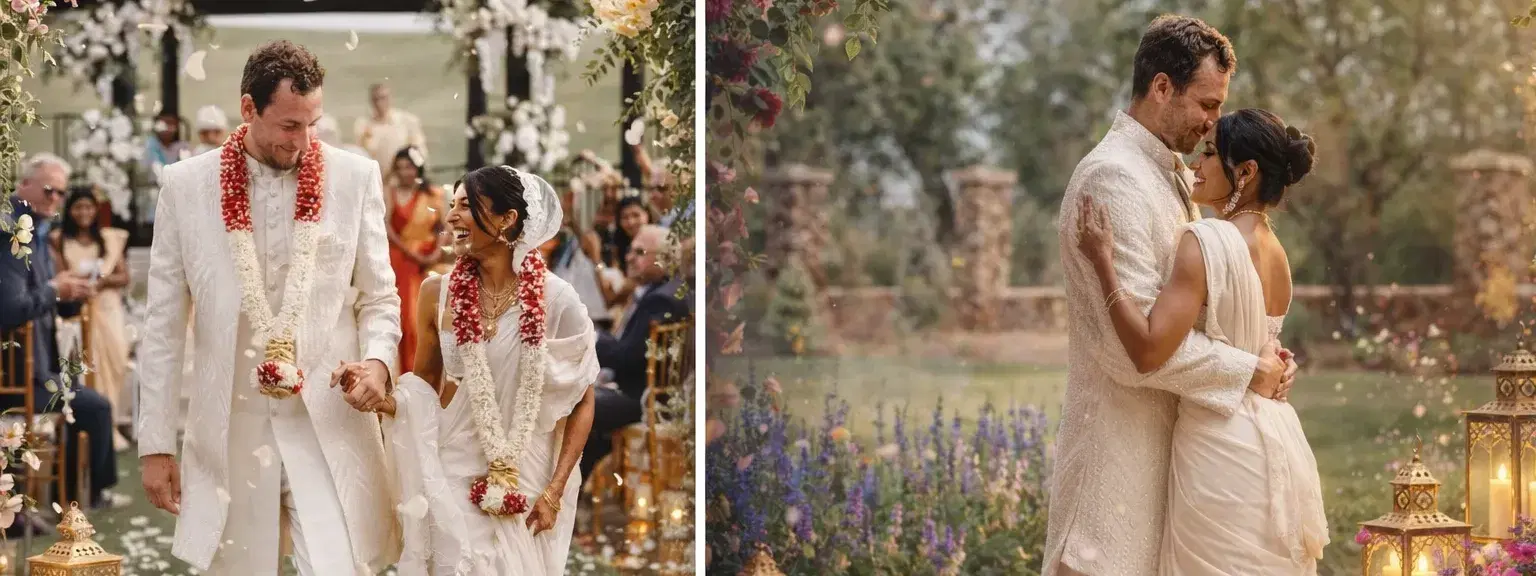
Love knows no borders, but navigating traditions in multicultural marriage can feel like walking through a beautiful maze. When two cultures come together, you're not just blending hearts—you're weaving together languages, customs, foods, and family expectations into something entirely new. The good news? Millions of couples are creating these gorgeous cultural tapestries every day, and you can too.
A multicultural marriage brings together partners from different cultural backgrounds, whether that's nationality, ethnicity, religion, or regional traditions. These unions are growing rapidly, with intercultural marriages becoming more common as our world becomes increasingly connected.
Cultural differences in marriage aren't obstacles to overcome—they're opportunities to expand your world. Think about it: you get to experience two holiday traditions, learn new languages, taste incredible foods, and see life through completely different lenses. Your children (should you choose to have them) will grow up with an incredibly rich cultural foundation. That same mindset often shows up in wedding planning, where couples look for ways to visually and meaningfully represent both backgrounds from the very beginning.
The key is understanding that culture shapes everything from how we express love to how we handle conflict. Some cultures value direct communication, while others prefer subtle hints. Some prioritize individual achievement, others focus on family harmony. Neither approach is right or wrong—they're just different.
Every multicultural couple faces unique situations, but certain challenges pop up frequently. Recognizing these early helps you tackle them together rather than letting them create distance.
Some cultures encourage open debate and direct feedback, while others value harmony and indirect communication. When conflict arises, one partner might want to talk it out immediately, while the other needs time to process privately.
The solution? Create your own communication style that honors both approaches. Set aside time for both immediate discussion and reflection. Learn to read each other's cultural cues while also being clear about your needs.
Cross-cultural relationships often navigate different expectations about family involvement. Some cultures expect parents to have significant input in major decisions, while others prioritize the couple's independence.
Start by understanding what family means in each culture, then create boundaries that respect both traditions while protecting your relationship. This might mean including parents in some decisions while keeping others private.
Pro Tip
Create a "cultural translation" system where you explain the deeper meaning behind your family's traditions. When your partner understands why something matters, they're more likely to embrace it—even if it feels foreign at first.
Successfully blending traditions requires intentional planning and open hearts. Here's how to create something beautiful from two different cultural backgrounds.
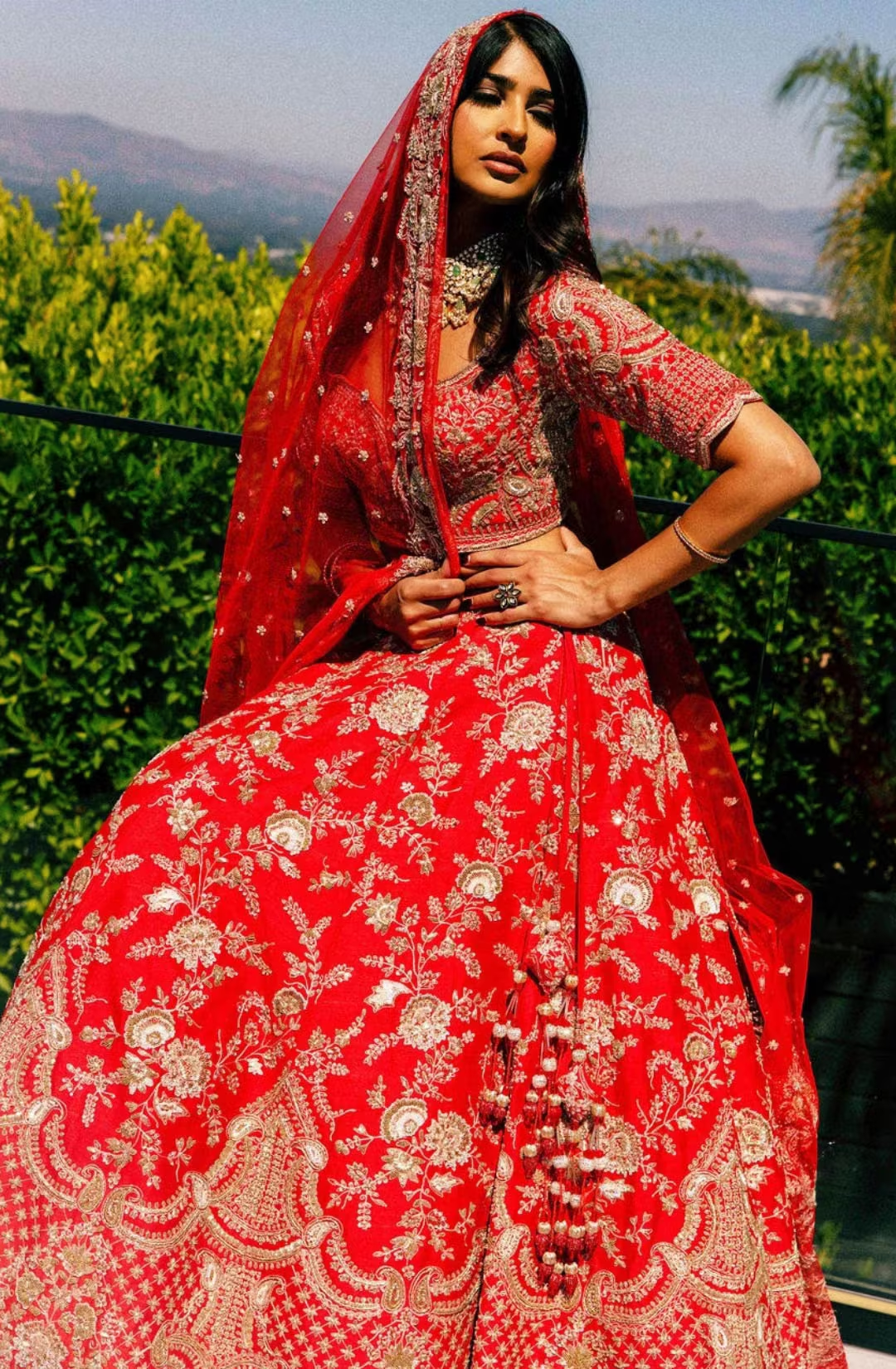
For many couples, the wedding itself becomes the first and most meaningful expression of a multicultural marriage. From ceremony attire to reception looks, what you wear is often where cultural traditions come to life. Some couples choose to honor one culture for the ceremony and another for the reception, while others blend elements into a single look that reflects both backgrounds.
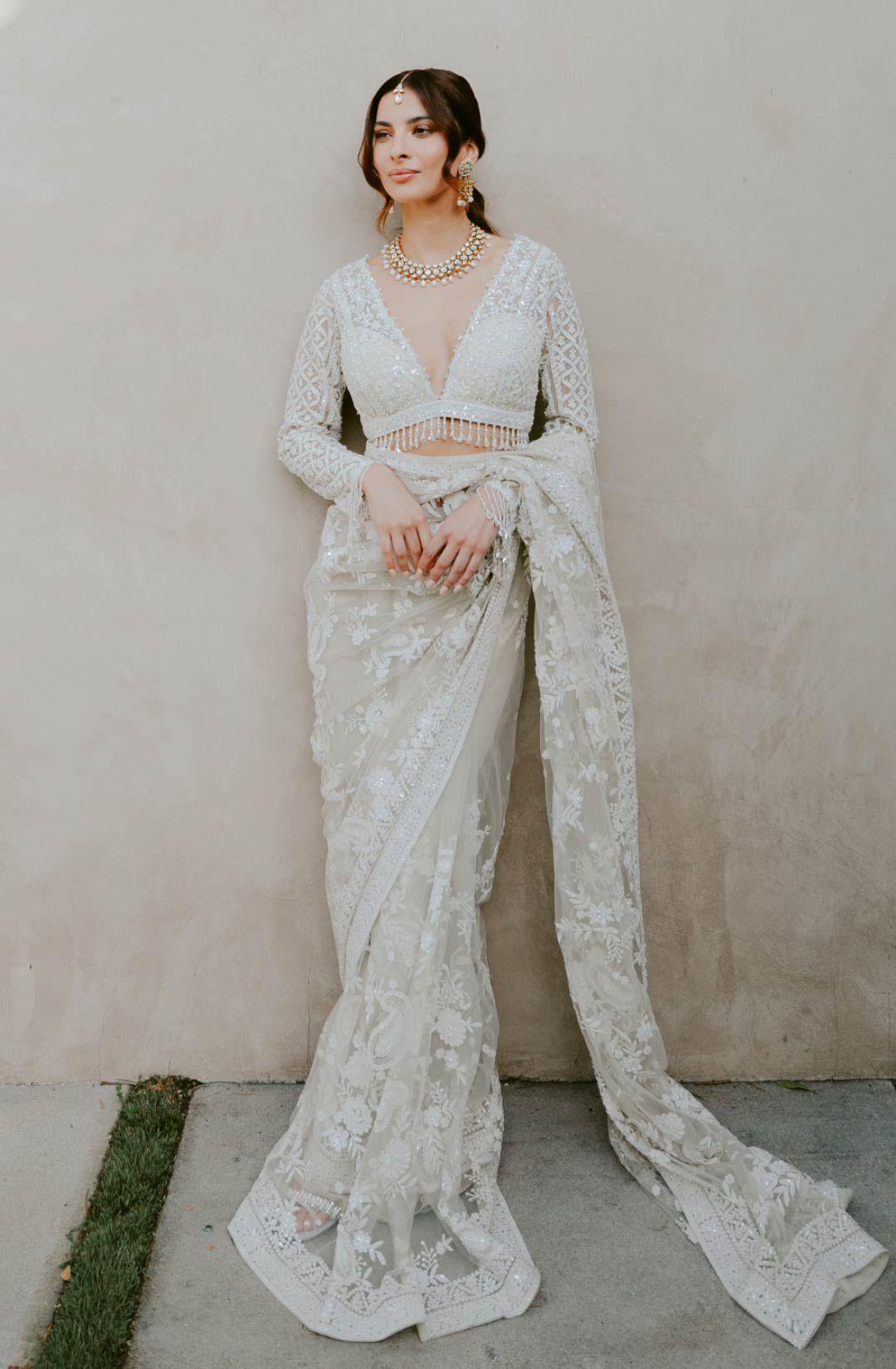
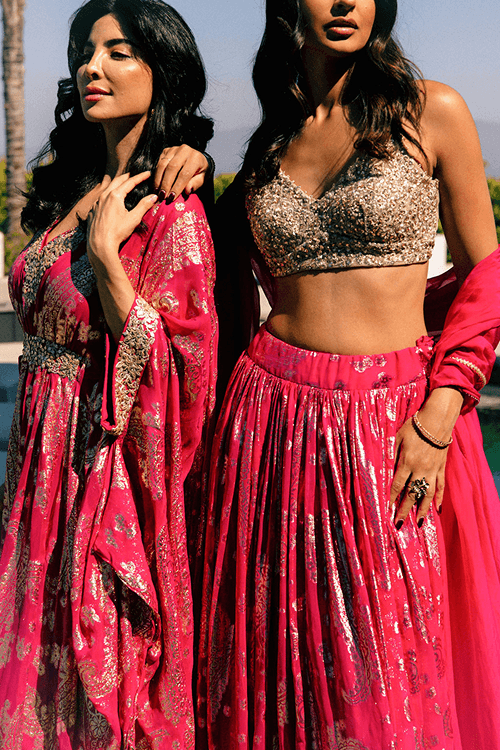
Today, that kind of flexibility is more accessible than ever. With expanded offerings—including partnerships with brands like Kynah, which specializes in Indian bridal and occasionwear—brides can explore traditional and fusion styles in one place, making it easier to create a wardrobe that feels fully representative of their story.
Start by each making a list of traditions that feel essential to your identity. Include everything from holiday celebrations to daily rituals like family dinners or prayer practices. Be honest about which ones you can't imagine giving up and which ones you're flexible about.
Look for ways to honor both cultures without overwhelming your calendar. Maybe you alternate which family you spend major holidays with each year, or create new traditions that incorporate elements from both backgrounds.
Some couples create fusion celebrations—like a Thanksgiving dinner with traditional dishes from both cultures, or a Christmas tree decorated with ornaments representing both heritages.
Mixed marriage traditions don't have to come from either of your backgrounds. You can create entirely new customs that represent your unique union. Maybe it's a monthly date where you explore a different culture's cuisine, or an annual trip that celebrates your multicultural love story.
Family traditions in marriage become more complex when you're bringing together different cultural expectations. Some family members might worry about losing their cultural identity or struggle to understand unfamiliar customs.
Start by educating your families about each other's cultures. Share the beautiful aspects—the music, food, stories, and values that make each tradition special. When people understand the meaning behind customs, they're more likely to embrace them.
Set clear boundaries about which traditions you'll maintain and which ones you'll modify. It's okay to tell well-meaning relatives that you're creating your own version of family customs that honors both backgrounds.
When multicultural marriage includes different religious backgrounds, you're navigating both cultural and spiritual differences. The key is separating cultural practices from religious beliefs and finding common ground.
Many interfaith couples find success by focusing on shared values like compassion, family, and service to others. You might attend religious services from both traditions or create spiritual practices that honor both faiths.
For children, consider exposing them to both religious traditions and letting them choose their own path as they mature. This approach often creates spiritually rich, culturally aware individuals who can bridge different communities.
Your multicultural marriage is an opportunity to create something entirely new—a family culture that's uniquely yours. Focus on the values you share while celebrating the traditions that make you different.
Consider practical decisions like where to live, what languages to speak at home, and how to raise culturally aware children. These choices will shape your family's identity for generations.
Remember that building this foundation takes time. Be patient with yourselves and your families as everyone adjusts to new ways of celebrating and connecting.
Focus on the meaning behind each tradition rather than the specific practice. Often, you can find creative ways to honor both cultures' values even if the customs look different. Communication and compromise are essential.
Communication styles, family expectations, holiday planning, and child-rearing approaches tend to create the most discussion. The key is addressing these differences as opportunities to grow together rather than problems to solve.
You can choose which traditions feel meaningful to your relationship. Many couples create fusion ceremonies or celebrations that incorporate elements from both backgrounds.
Most successful multicultural families expose children to both cultures and let them embrace whichever elements resonate with them. This creates culturally rich, adaptable individuals who can navigate multiple communities with confidence.
Give families time to adjust while maintaining clear boundaries about your choices. Often, resistance comes from fear of the unknown. Education, patience, and consistent demonstration of your happiness can help families embrace your multicultural union.
Many couples choose to reflect both cultures through outfit changes, mixed styling, or blending traditional elements into one look. For example, a bride might wear a traditional outfit for the ceremony and a Western gown for the reception—or incorporate cultural embroidery, color, or jewelry into a modern silhouette.
Working with retailers that offer a range of styles—including specialized partners like Kynah for Indian bridalwear—can make it easier to explore both traditional and fusion options without having to shop across multiple places.
Navigating traditions in multicultural marriage isn't about choosing sides—it's about creating something beautiful and new together. Your love story gets to be uniquely yours, honoring the past while building an exciting future. Trust yourselves to find the balance that works for your relationship, and remember that the most important tradition you'll create is the one of love, respect, and celebration that defines your marriage.