How to Explain Hindu Wedding Rituals to Guests
Planning a Catholic Hindu wedding brings together two beautiful faith traditions, but it can feel overwhelming to help your Catholic guests understand the rich symbolism of Hindu ceremonies. You want everyone to feel included and appreciate the sacred moments, not confused or left out. The good news? With thoughtful explanation and preparation, you can create a bridge between these traditions that honors both faiths while making every guest feel welcome.
When Catholic guests attend Hindu wedding ceremonies, they're entering a spiritual space with different rhythms, languages, and customs. This isn't about asking anyone to compromise their beliefs. It's about creating understanding so everyone can witness your love story with respect and joy.
Hindu weddings typically last 2–3 hours, much longer than the 30–45 minute Catholic ceremonies most guests know. The Sanskrit chants, fire rituals, and multiple ceremonial elements can feel unfamiliar. But when guests understand the meaning behind each tradition, they become invested participants rather than confused observers.
Let your Catholic guests know they'll witness ancient rituals that have blessed marriages for thousands of years. Explain that some moments require reverent silence while others invite celebration. This preparation helps everyone feel confident about when to participate and when to simply observe with respect.
Start with the heart of Hindu wedding ceremonies: the sacred fire, or Agni. In Hindu tradition, fire represents purity and the divine witness to your vows. Unlike Catholic ceremonies where vows are exchanged before the congregation, Hindu couples make their promises before Agni, who carries their words to the heavens.
The Saptapadi mirrors Catholic wedding vows but unfolds as a walking meditation. You and your partner take seven steps around the sacred fire, each step representing a different life promise: nourishment, strength, prosperity, happiness, children, health, and friendship. Think of it as seven mini-vows that build your marriage foundation step by step.
The mangalsutra (sacred necklace) serves a similar purpose to Catholic wedding rings, symbolizing your married status. The sindoor (red powder) applied to your hairline represents your husband's love and protection. These visible symbols carry the same weight as a Catholic wedding band, marking your transition from single to married life.
Did You Know?
Hindu wedding garlands aren't just decorative. The exchange of flower garlands (jayamala) represents the couple's acceptance of each other, similar to the "I do" moment in Catholic ceremonies. The flowers symbolize beauty, fertility, and new beginnings.
Hindu weddings begin long before the main ceremony, often with a Ganesh Puja to remove obstacles from your marriage. This blessing ceremony invites divine protection, much like Catholic prayers for guidance and grace. Your Catholic guests can participate by simply maintaining respectful silence during the Sanskrit prayers.
The haldi ceremony involves applying turmeric paste for purification and blessing, while mehndi celebrates with intricate henna designs. These joyful pre-wedding events welcome guests into your celebration gradually, building excitement for the main ceremony. Catholic guests often find these intimate gatherings surprisingly similar to Catholic wedding showers or rehearsal dinners.
Design a simple program that explains each ritual in one or two sentences. Avoid overwhelming details, but give enough context so guests understand what they're witnessing. Include when to stand, when photography is appropriate, and when to maintain silence.
List the ceremony order with brief explanations: "Kanyadaan: The bride's family entrusts her to the groom's care" or "Panigrahana: The couple joins hands, symbolizing their union." Include a note about ceremony length and suggest comfortable seating positions for elderly guests.
Add a glossary of key Sanskrit terms with phonetic pronunciations. This helps guests follow along when the officiant announces each ritual. Consider including the English translation of key mantras so everyone can appreciate the beautiful prayers being offered for your marriage.
Catholic guests often wonder about their role during Hindu rituals. Reassure them that respectful observation is perfect participation. They don't need to chant Sanskrit mantras or perform unfamiliar gestures. Their presence and open hearts are the greatest gifts they can offer.
Suggest modest, colorful attire that honors both traditions. Many Catholic guests appreciate specific guidance: "Bright colors are encouraged, but please avoid white (reserved for mourning in Hindu tradition) and red (reserved for the bride)." This prevents awkward moments while showing cultural respect.
Designate cultural ambassadors from both families to answer questions and guide guests. These friendly faces help nervous guests feel welcome while ensuring smooth ceremony flow. Consider appointing one person from each tradition to bridge any cultural gaps naturally.
Plan your reception to celebrate both cultures. Include familiar elements for Catholic guests alongside traditional Hindu celebrations. This might mean serving both Indian cuisine and familiar dishes, or playing music that honors both traditions throughout the evening.
Most Hindu wedding ceremonies run 2–3 hours, significantly longer than Catholic ceremonies. The extended time allows for multiple sacred rituals, each with deep spiritual significance. Guests should plan accordingly and consider comfortable seating options.
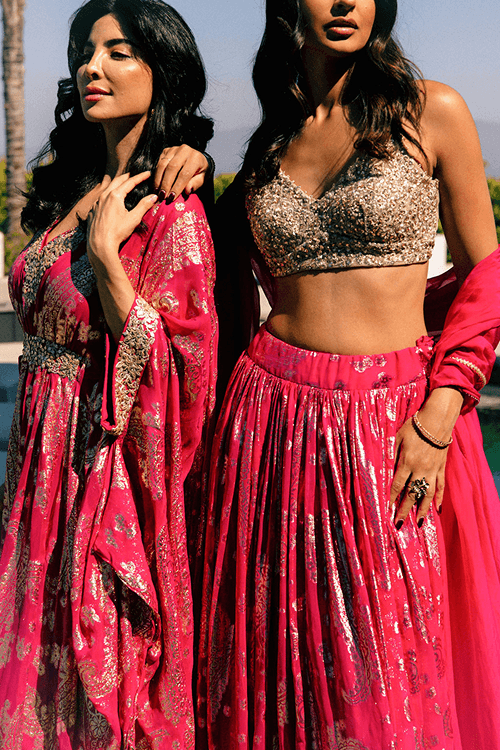
Bright, modest colors are encouraged and show respect for the joyful occasion. Avoid white (associated with mourning) and red (traditionally reserved for the bride). Many guests enjoy shopping for colorful attire that honors the vibrant Hindu celebration tradition.
Respectful observation is the most appropriate form of participation. Catholic guests don't need to chant mantras or perform unfamiliar rituals. Their presence, attention, and open hearts provide meaningful support for the couple's sacred ceremony.
The sacred fire (Agni) serves as the divine witness to wedding vows, similar to how Catholic couples exchange vows before God and their congregation. Fire represents purity, transformation, and the eternal nature of marriage promises in Hindu tradition.
Many couples discover beautiful options through specialized retailers that understand the importance of honoring both traditions. David's Bridal offers cultural wedding collections, including a collaboration with Kynah—featuring authentic South Asian designer pieces, helping couples celebrate their heritage with contemporary accessibility.
Your interfaith wedding celebration becomes a beautiful testament to love transcending cultural boundaries when every guest feels welcomed and informed. By thoughtfully explaining Hindu wedding rituals to your Catholic guests, you create an atmosphere of mutual respect and shared joy. The key lies in gentle education, clear communication, and celebrating the universal themes of love, commitment, and family that both traditions cherish. Your wedding day will shine brighter when everyone present can appreciate the sacred beauty of your chosen traditions.