How to Choose the Perfect Indian Bridal Colors

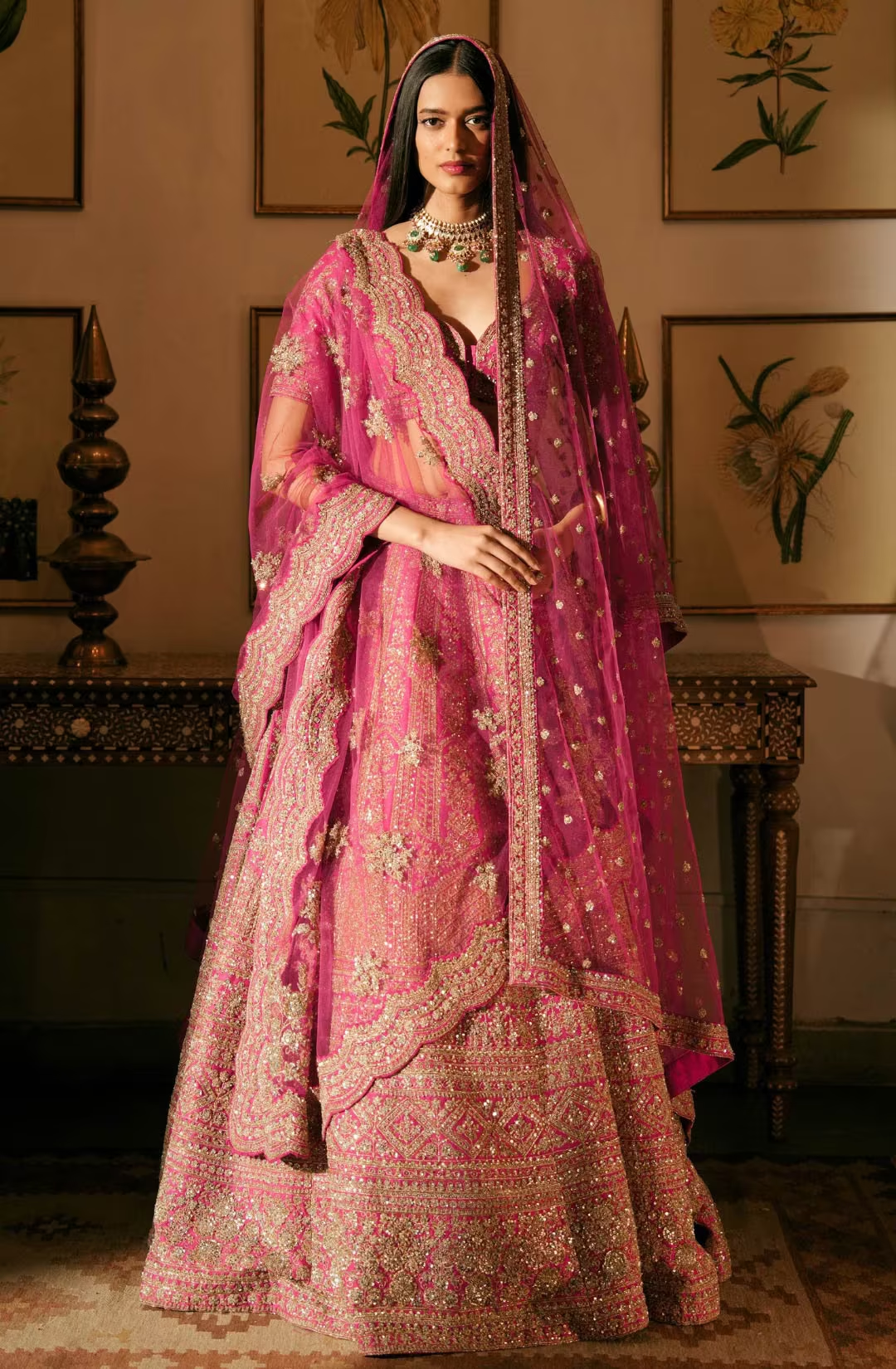
Choosing your bridal colors feels like one of the most meaningful decisions in wedding planning. The colors you wear on your wedding day carry centuries of cultural significance while expressing your personal style. Whether you're drawn to traditional crimson reds or considering contemporary pastels, understanding what color do Indian brides wear helps you honor heritage while celebrating your unique journey.
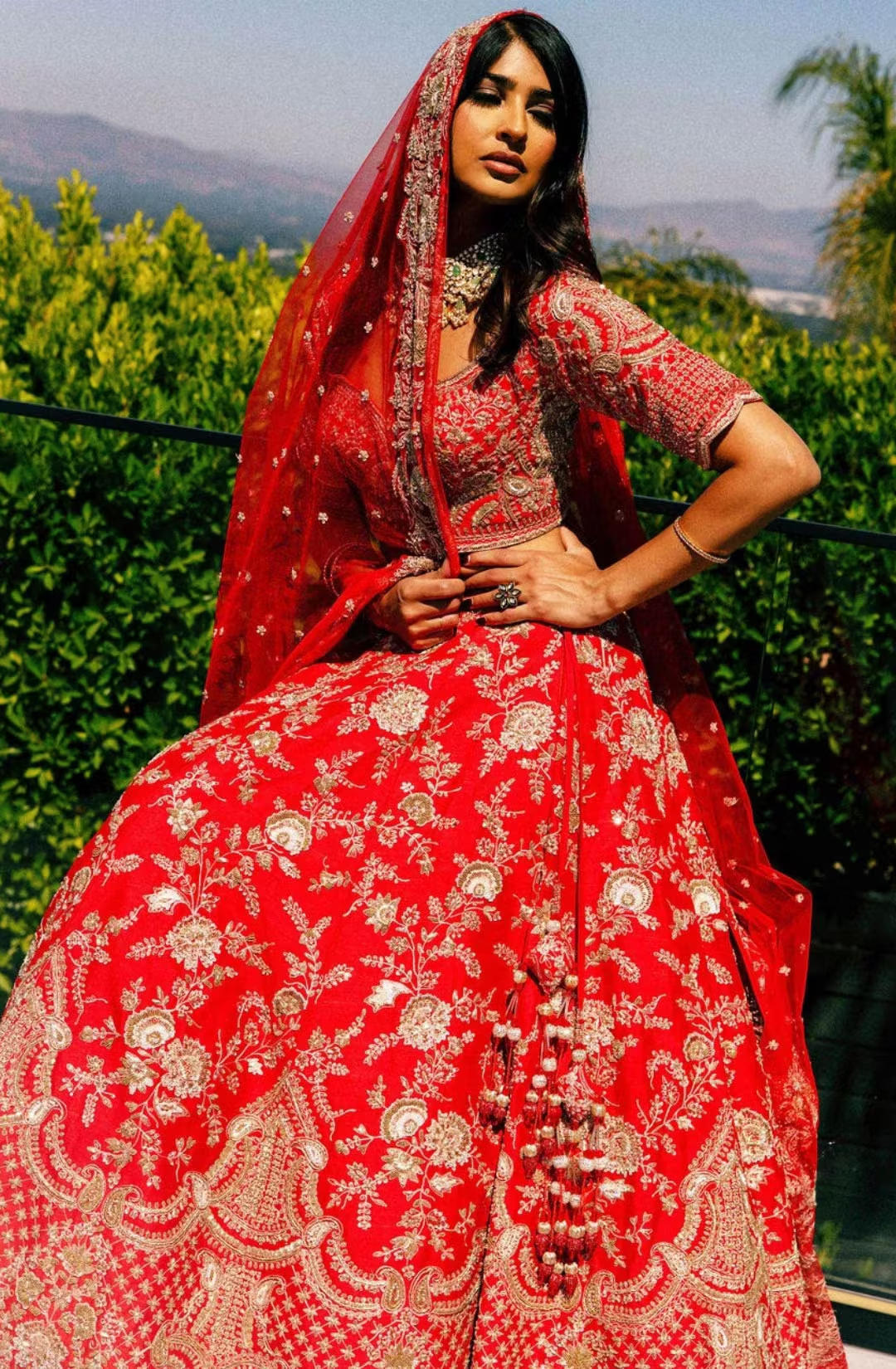
Red remains the most beloved choice among traditional Indian wedding colors for profound reasons. This vibrant hue symbolizes prosperity, fertility, and new beginnings in Hindu traditions. From deep crimson to rich maroon, red variations offer different intensities while maintaining cultural authenticity.
Regional preferences shape how red appears in bridal wear. North Indian brides often choose bright reds, while South Indian traditions favor deeper burgundy tones. Each shade carries the same auspicious meaning while reflecting local customs.
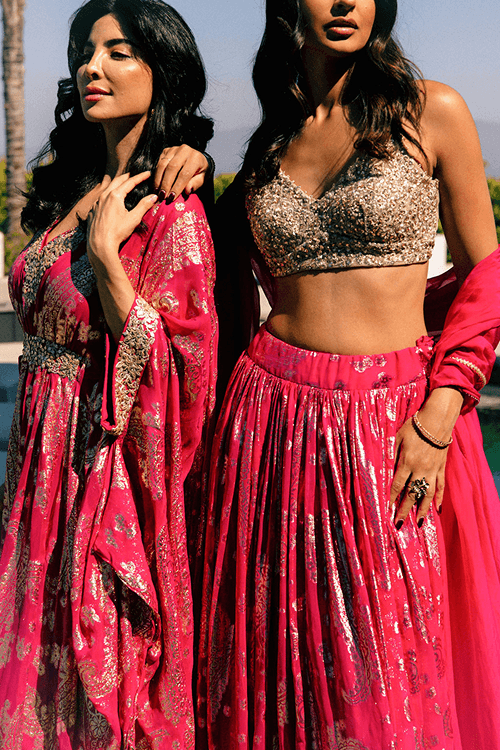
Pink represents compassion and unconditional love, making it perfect for modern brides seeking softer alternatives. Orange embodies energy and enthusiasm, while coral blends warmth with elegance. These auspicious colors for Indian wedding celebrations honor tradition without limiting personal expression.
Gold and yellow hold special significance in Hindu ceremonies, representing knowledge, learning, and happiness. Many brides incorporate these colors through embroidery or accessories, creating layered meaning in their ensemble.
Traditional guidelines suggest avoiding white, black, and blue for bridal wear. White represents mourning in some Indian cultures, while black can symbolize negative energy. Blue, though beautiful, traditionally represents sadness in certain contexts.
Modern brides increasingly challenge these restrictions, especially in fusion celebrations. The key lies in understanding family expectations while making choices that feel authentic to you.
Punjabi brides often choose vibrant reds and pinks, reflecting the region's celebratory spirit. Rajasthani traditions favor rich jewel tones like emerald and sapphire, often combined with gold embroidery. Gujarati brides typically select auspicious reds with intricate mirror work.
Popular bridal lehenga colors in North India include deep maroon, bright red, and fuchsia pink. These choices reflect both cultural significance and the region's love for bold, joyful celebrations.
South indian bride colors often center around traditional silk saris in rich burgundy, deep red, or golden yellow. Tamil brides frequently choose Kanjivaram saris in auspicious red with gold borders. Telugu traditions favor similar colors with regional embroidery patterns.
Kerala brides traditionally wear cream or off-white saris with gold borders, representing purity and prosperity. This regional variation shows how geography influences color symbolism across Indian cultures.
Heavy lehengas with extensive embroidery work beautifully in deeper shades like burgundy, maroon, or forest green. These colors provide rich backgrounds for intricate goldwork and beading. Lighter lehengas suit brighter colors like coral, pink, or traditional red.
Consider how your chosen color complements the embroidery style. Gold thread work pops against deep jewel tones, while silver embellishments shine on lighter bases.
Silk saris traditionally come in wedding sari colors like red, maroon, and gold. Modern options include rose gold, deep pink, and emerald green. The key lies in choosing colors that honor the sari's traditional craftsmanship while reflecting your personal style.
Consider the sari's weave and texture when selecting colors. Heavy Banarasi silks suit rich, deep colors, while lighter fabrics work well with brighter, more vibrant hues.
Pro Tip: Test your chosen color in different lighting conditions before finalizing. Natural sunlight, indoor lighting, and photography lighting can dramatically change how colors appear in your wedding photos.
Understanding your undertones helps identify the most flattering Indian bridal colors. Warm undertones suit colors with golden bases like traditional red, orange, and yellow. Cool undertones complement colors with blue or purple bases like burgundy, deep pink, and emerald.
Don't let skin tone rules limit your choices completely. The right shade within any color family can work beautifully when chosen thoughtfully.
Your comfort level with bold colors matters significantly. If you typically wear neutral tones, jumping to bright red might feel overwhelming. Consider starting with deeper, more muted versions of traditional colors.
Balance family expectations with personal preferences by choosing colors that feel authentically you while respecting cultural significance.
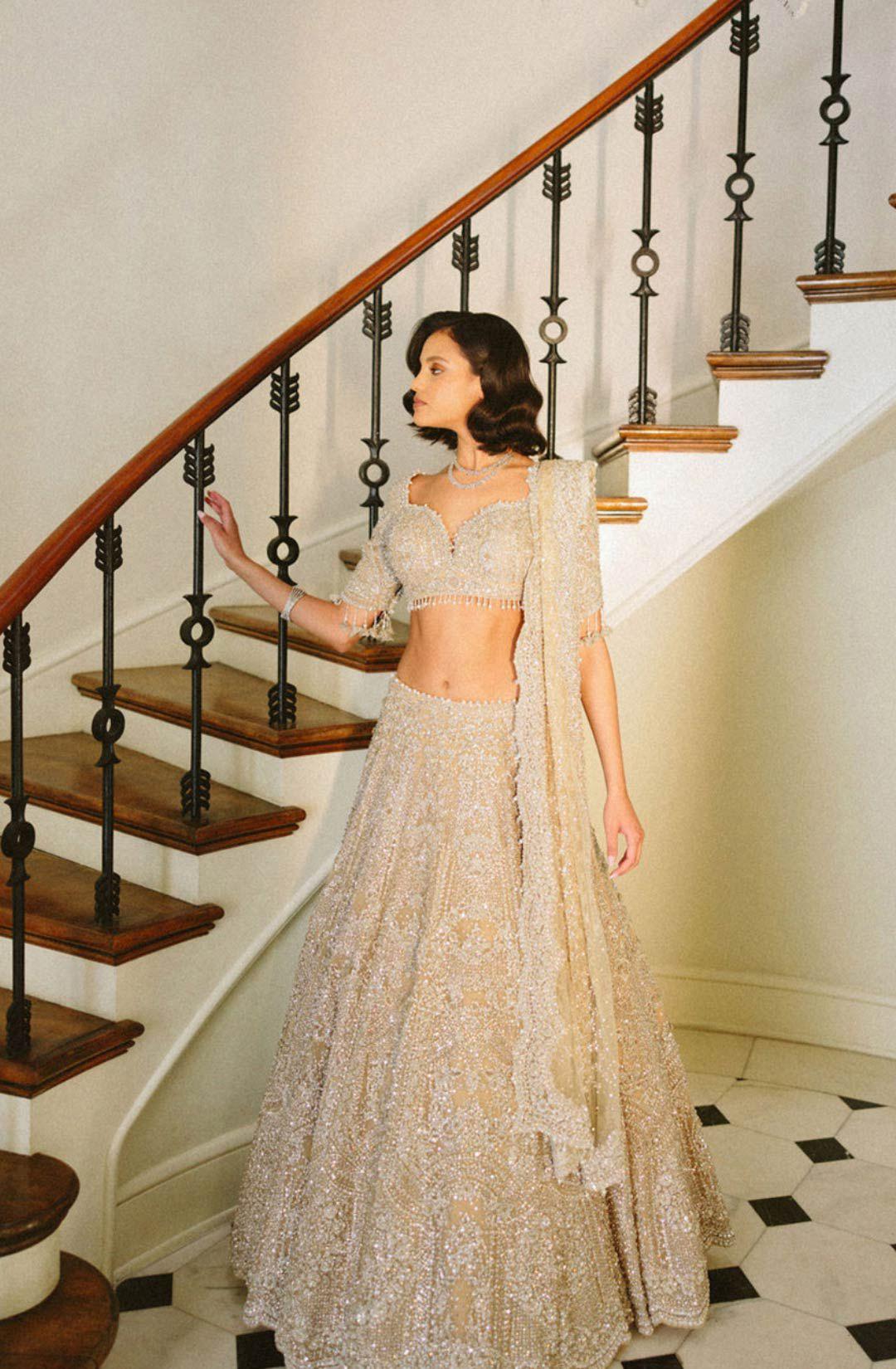
Pastels like blush pink, mint green, and lavender are gaining acceptance among modern Indian brides. These colors offer fresh alternatives while maintaining elegance and sophistication. Metallic tones like rose gold and champagne create contemporary luxury.
Jewel tones including emerald, sapphire, and amethyst provide rich alternatives to traditional red while maintaining the depth and richness expected in bridal wear.
Recent celebrity weddings showcase how modern brides interpret traditional colors. Soft pinks, coral oranges, and even sage greens appear in contemporary bridal collections, proving that Indian wedding color symbolism can evolve while maintaining meaning.
Consider how your bridal colors work with your overall wedding palette. If your decorations feature specific colors, choose bridal wear that complements rather than competes. Coordinate with your partner's outfit colors to create visual harmony in photos.
Start color selection early in your planning process. Popular colors in traditional styles may require longer lead times. Visit stores during different times of day to see how colors appear in various lighting conditions.
When exploring options, the curated Kynah collection at David's offers authentic designer pieces in traditional and contemporary color palettes, making it easier to find colors that honor heritage while expressing personal style.
Absolutely. While red remains traditional and meaningful, many families now embrace pink, coral, gold, and other auspicious colors. The key is choosing colors that feel respectful to your family's traditions while expressing your personal style.
Red, pink, orange, yellow, and gold are traditionally considered most auspicious. These colors symbolize prosperity, fertility, happiness, and new beginnings. However, specific meanings can vary by region and family tradition.
Rich, saturated colors typically photograph better than very light or very dark shades. Jewel tones, traditional reds, and deep pinks maintain their vibrancy in photos. Avoid colors that wash out your skin tone or compete with your natural coloring.
Consider compromise solutions like choosing a non-traditional shade within a traditional color family. For example, if family expects red, explore coral, burgundy, or deep pink. You might also wear traditional colors for main ceremonies and contemporary choices for other events.
Plan a cohesive color story across all events. Start with your main ceremony color, then choose complementary shades for other functions. Many brides use a gradient approach, moving from lighter to deeper shades or incorporating different tones within the same color family.
Choosing your perfect Indian bridal colors combines honoring cultural traditions with expressing your unique personality. Whether you select classic red, contemporary pastels, or rich jewel tones, the most important factor is choosing colors that make you feel confident and beautiful. Trust your instincts, consider your family's traditions, and remember that your wedding day colors will become part of your personal love story. The perfect color choice celebrates both your heritage and your individual journey into marriage.