How to Beautifully Blend Wedding Traditions from Two Cultures
Planning a wedding that honors two different cultural backgrounds feels overwhelming at first. You want to celebrate both families' traditions without creating confusion or conflict. The good news? Multicultural weddings create some of the most meaningful, memorable celebrations when you approach the blending thoughtfully.
Multicultural weddings do more than combine traditions. They create bridges between families who might never have connected otherwise. When you blend wedding traditions from two cultures, you're building a foundation that honors your heritage while creating something entirely new.
These celebrations often become the most talked-about weddings guests attend. Why? Because they experience something authentic and educational. Your Korean tea ceremony followed by a Mexican lasso ceremony doesn't just look beautiful. It tells the story of who you are as a couple.
Let's be honest about the hurdles. Family members might feel protective of their traditions. Some worry that blending dilutes the sacred meaning of their customs. Religious differences can create tension when planning interfaith wedding traditions.
Budget concerns multiply when you're incorporating elements from multiple cultures. Traditional attire, specific foods, and cultural decorations add up quickly. Timeline coordination becomes complex when some traditions require specific timing or multiple days of celebration.
Schedule separate conversations with each family first. Ask what traditions feel absolutely essential versus which ones they'd be willing to adapt. Listen for the stories behind the customs. Understanding why something matters helps you find creative ways to honor it.
Then bring both families together. Share what you've learned about each other's traditions. This conversation often reveals beautiful similarities between cultures that seemed completely different.
Dive deep into wedding traditions around the world that relate to your backgrounds. Don't just research the ceremonies. Learn about pre-wedding rituals, reception customs, and post-wedding traditions. Many couples discover meaningful practices they'd never heard of.
Create a master list of traditions from both cultures. Include the meaning, typical timing, required items, and level of importance to each family. This becomes your roadmap for planning.
Interfaith wedding traditions work beautifully when you focus on shared values. Love, commitment, family, and community appear in every religious tradition. Start there.
Consider having co-officiants from different backgrounds. A priest and an imam, or a rabbi and a Buddhist monk, can create a ceremony that feels complete to both families. They often find creative ways to weave traditions together that you might not have considered.
Pro Tip
Many couples create a "blessing exchange" where families from each culture offer traditional blessings in their own language, followed by English translations. This honors the original language while including all guests in the meaning.
Unity ceremonies translate beautifully across cultures. The Jewish breaking of the glass pairs perfectly with a Hindu saptapadi (seven steps). A Chinese tea ceremony can precede an African jumping the broom ritual.
Think about processionals too. Maybe the bride enters with a traditional Chinese lion dance, then transitions to a mariachi processional. These moments create visual storytelling that guests remember forever.
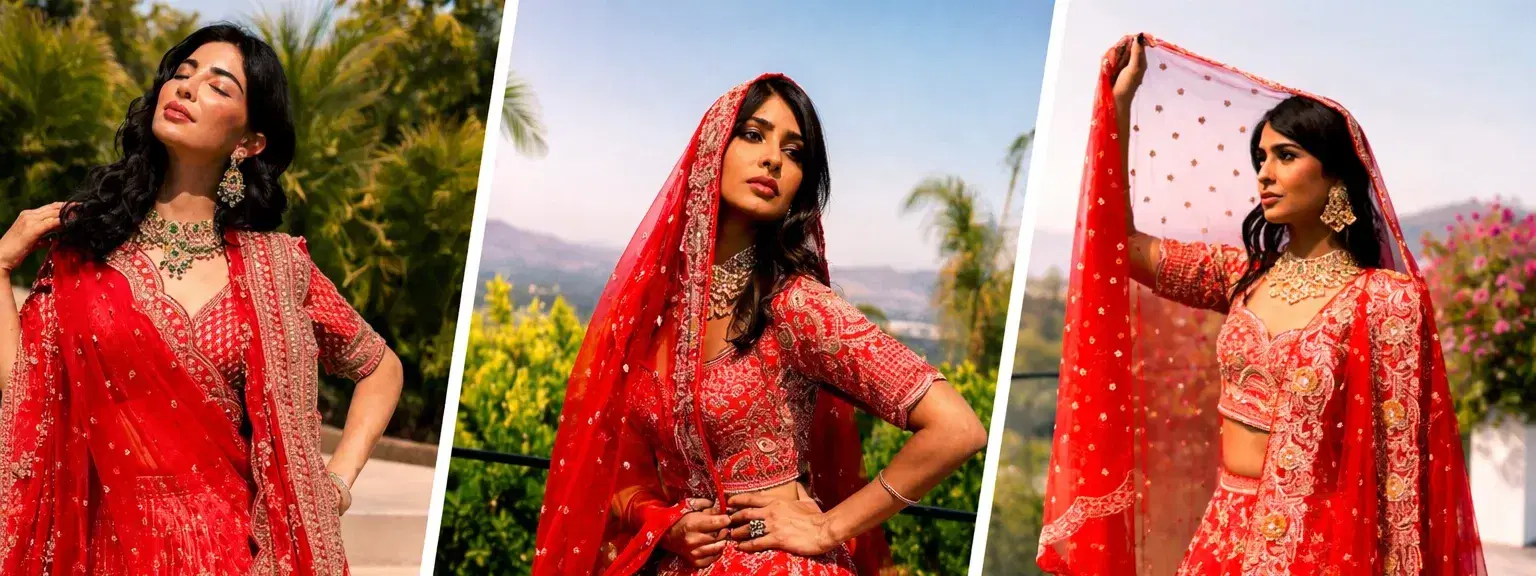
You don't have to choose between a white dress and a red lehenga. Many brides wear multiple outfits throughout their celebration. Start the ceremony in traditional attire from one culture, then change for the reception to honor the other.
Color palettes offer another fusion opportunity. Combine the auspicious colors from both traditions. Red and gold from Chinese culture blend beautifully with the vibrant colors of Indian celebrations.
Food creates the most memorable multicultural wedding ideas. Instead of choosing between cuisines, create stations that showcase both. A taco bar alongside a sushi station gives guests an adventure.
Work with caterers who understand cultural dietary restrictions. Halal, kosher, vegetarian, and vegan options ensure everyone feels included. Many couples serve traditional desserts from both cultures alongside their wedding cake.
Create a playlist that tells your story. Start with traditional music from one culture during cocktails, transition to the other culture's music during dinner, then blend contemporary favorites for dancing.
Live performances make huge impacts. A Scottish bagpiper followed by African drummers creates an experience guests will never forget. Consider teaching guests simple traditional dances from both cultures.
Some of the most beautiful multicultural weddings create entirely new customs. One couple combined the Irish handfasting tradition with the Filipino cord ceremony, creating a unique binding ritual that represented both heritages.
Family heirlooms offer perfect fusion opportunities. Wear your grandmother's Chinese jade bracelet with your partner's family tartan. These personal touches make intercultural marriage celebrations feel authentic and meaningful.
Many cultural traditions span multiple days. Indian weddings include mehendi and sangeet ceremonies. Jewish weddings have aufruf and sheva brachot. Plan which events you'll include and how to make them accessible to both families.
Consider hosting cultural education sessions before main events. Brief explanations help guests understand what they're witnessing and how to participate respectfully.
-606e2049-6af0-4e37-adf4-1a6c7410becc.png&w=3840&q=75)
Some religious traditions don't easily blend. That's okay. You can honor both without forcing them together. Have separate religious ceremonies on different days, or include cultural elements without religious components.
Focus on what unites rather than what divides. Most religions celebrate love, family, and commitment. Build your ceremony around these universal themes.
Expect some resistance. Change feels scary, especially around sacred traditions. Give families time to process your plans. Share research about the meaning behind unfamiliar customs.
Set clear boundaries early. Decide which traditions are non-negotiable for you as a couple, then communicate these decisions with love but firmness. Remember, this is your wedding.
Start by identifying the most meaningful traditions from each background, then create a timeline that incorporates key rituals from both cultures. Focus on shared values like unity and family, and consider having officiants from both traditions co-lead the ceremony.
Work with religious leaders from both faiths to find complementary elements that can coexist respectfully. Many couples choose universal themes like love and commitment while incorporating cultural (rather than strictly religious) elements from each tradition.
Most fusion ceremonies run 45-60 minutes, allowing time for traditions from both cultures without overwhelming guests. Consider which rituals are essential versus which can be moved to pre-ceremony or reception celebrations.
Absolutely. Many couples host separate cultural ceremonies on different days or even in different locations. This approach allows each tradition to be fully honored without compromise. David's Bridal stylists often help couples plan multiple outfit changes for these celebrations.
Include brief explanations in your ceremony program, have your officiant provide context during the ceremony, or designate family members to guide guests through participation. Most people appreciate learning about new cultures when approached with respect and clarity.
Blending wedding traditions from two cultures creates celebrations that truly reflect who you are as a couple. The key lies in approaching each tradition with respect, understanding its significance, and finding creative ways to honor both backgrounds. Your multicultural wedding won't just be beautiful—it'll be authentically yours, creating memories and connections that last far beyond your wedding day.