Wedding Planning
•05 min read
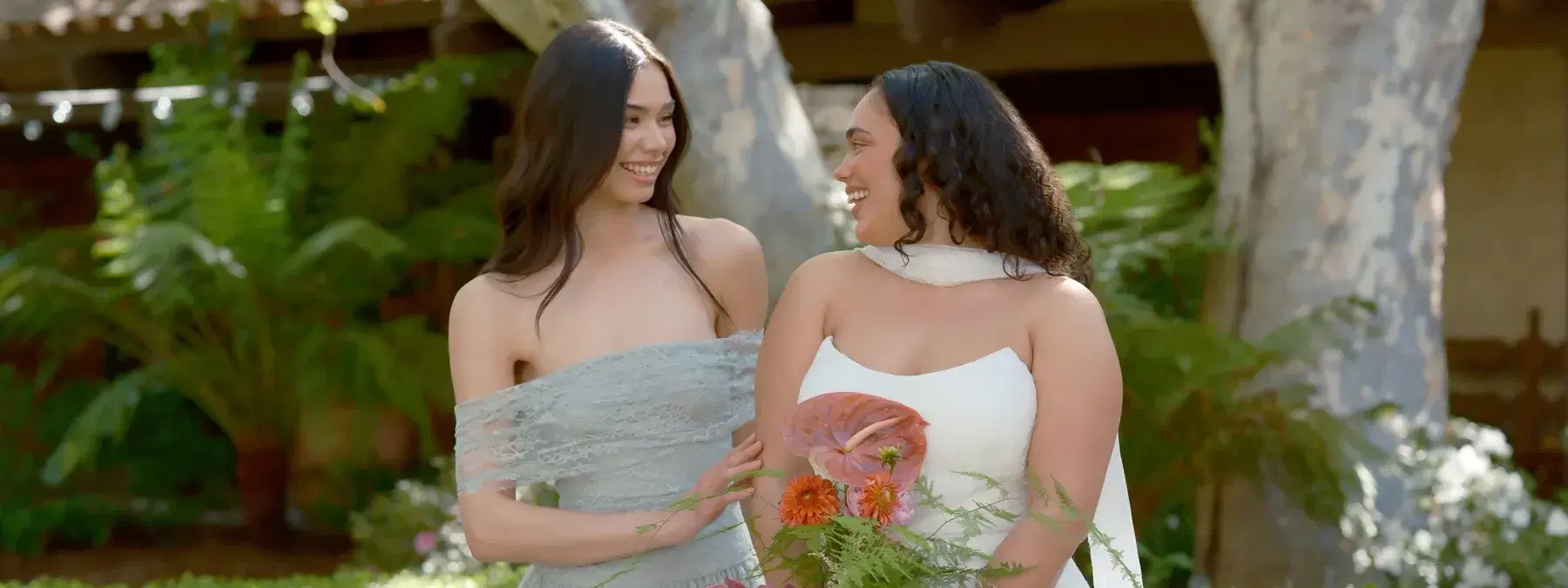
Your bridesmaids are walking down the aisle in French Blue. Your flowers are coming in coral and hot pink. The two photos do not, as they say, talk to each other. We've watched this happen one too many times—and it's almost always preventable.
The bridesmaid-and-floral palette is the single biggest visual element of your wedding photos (after the bride, of course). Get it right and the whole day reads cohesive and intentional. Get it wrong and your photographer is fighting your color scheme through every shot. Here's how to actually coordinate the two—using the seasonal florals summer gives you and the bridesmaid dress range you have to work with.
Start with the florals you actually want, identify the dominant 2–3 colors in your bouquet and arrangement palette, and then choose bridesmaid dresses in colors that either complement or echo those tones. For summer specifically, peonies (blush, coral, ivory) pair beautifully with soft pastels, dahlias (jewel tones, terracotta) pair with rich saturated bridesmaid dresses, garden roses (cream, pale pink) work with neutral and dusty palettes, and tropical florals (orchids, birds of paradise) call for jewel-toned or monochrome bridesmaid looks.
The rule: bridesmaid dresses should pull from the floral palette, never compete with it.
This is the single biggest mistake we see. Brides pick bridesmaid dresses first, then realize the florals available in their wedding month don't work with the dress color they chose. Summer flowers are highly seasonal—peonies peak in May and June, dahlias take over July and August, and some florals you might love (specific lilac varieties, certain hydrangea shades) have shorter or trickier windows. Pick the florist's palette first, then the dresses.
Florals: peonies, garden roses, ranunculus, sweet peas, scattered greenery. Color story leans soft and feminine—blush, ivory, soft coral, dusty pink, butter yellow.
Bridesmaid pairing: Pastel Pink, Ballet, Dusty Sage, Pale Yellow, dove gray. Mix tones across the bridal party (not identical dresses) for that effortless garden-party feel.
Florals: dahlias, sunflowers, wildflowers, billy balls, eucalyptus, dried grasses. Color story is warm and earthy—terracotta, rust, mustard, deep cream.
Bridesmaid pairing: Terracotta, Cinnamon, Butterscotch, Eucalyptus, Quartz. This is the aesthetic where mismatched bridesmaid dresses look the most intentional.

Florals: orchids, birds of paradise, anthurium, tropical greenery, bright lilies. Color story is bold and saturated—fuchsia, coral, marigold, deep teal.
Bridesmaid pairing: Juniper, Berry, True Teal, Sunflower, or a single rich jewel tone across the entire bridal party for unified high-contrast photos.
Florals: garden roses, hydrangeas, peonies, stephanotis, lots of ivory and soft greenery. Color story stays neutral and elegant—ivory, blush, soft sage, champagne.
Bridesmaid pairing: Champagne, Quartz, Dusty Sage, oyster, or one classic neutral across the whole bridal party for old-money wedding energy.
Florals: anthurium, protea, calla lilies, monochromatic arrangements, sculptural greenery. Color story is intentional and tonal—a single dominant color or a deliberate two-tone palette.
Bridesmaid pairing: monochrome across the bridal party (everyone in Black, everyone in Wine, everyone in Sand), or a deliberate gradient from one shade into another.
For most summer wedding aesthetics, mismatched bridesmaid dresses in a coordinated palette photograph better than identical dresses. The exceptions are the classic romantic and modern editorial aesthetics, where matched bridesmaid dresses can read more intentional and clean.
Our rule of thumb: pick 2–3 tones from your floral palette, then let each bridesmaid choose her own style within those colors. The result reads curated rather than uniformed—and lets bridesmaids actually wear something flattering for them.
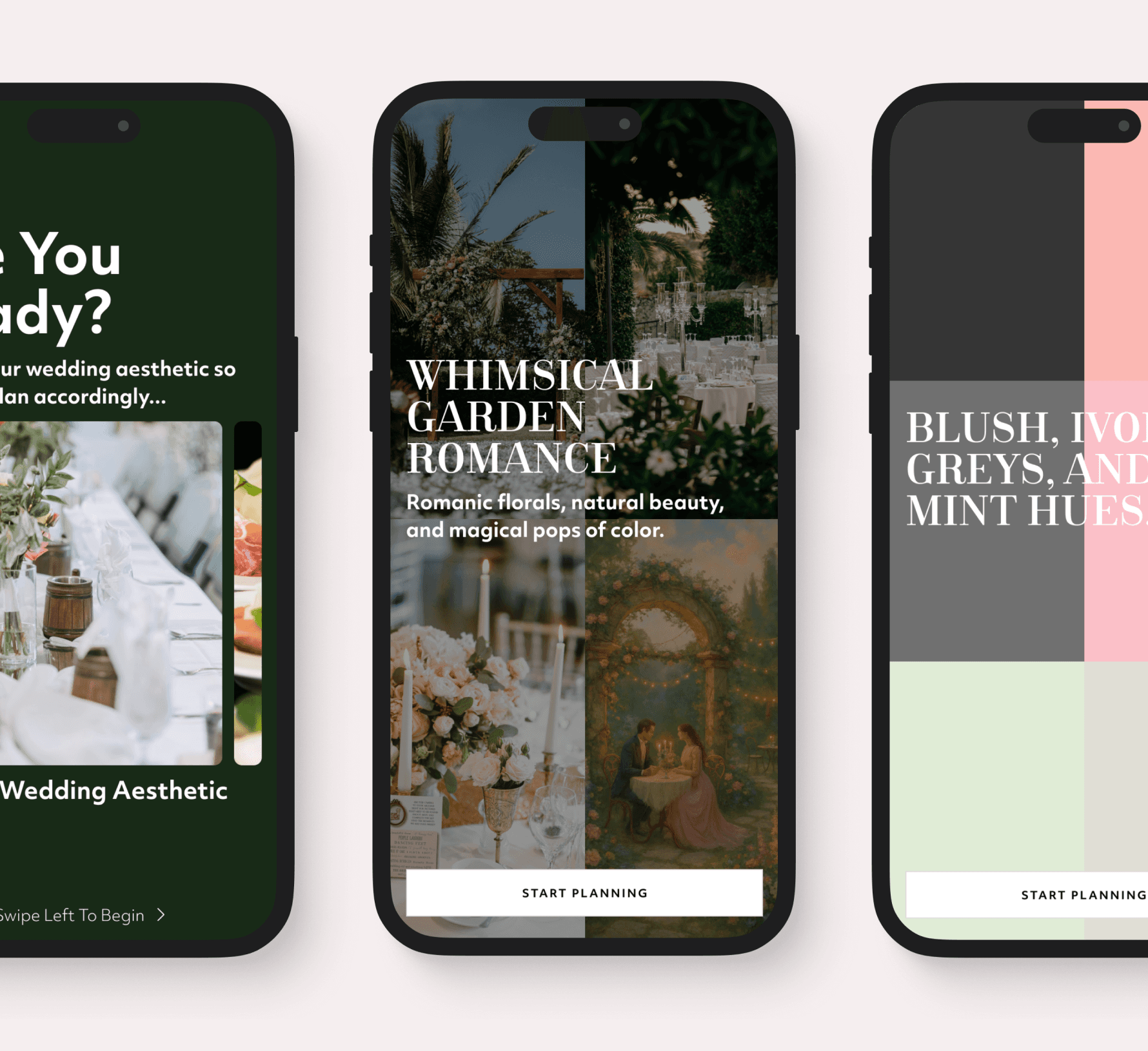
If you're still in the "I don't know what palette I want" stage, Pearl Planner by David's has a free Vision Quiz that walks you through visual style options (venue vibes, florals, dresses, color palettes) and translates your selections into a personalized wedding aesthetic—including a suggested color palette, bridesmaid dress style direction, and seasonal floral matches.
Coordinating bridesmaid dresses with summer florals is the first half of the color story. The second half is making sure the groomsmen's accessories align with both.
Through the David's + Generation Tux partnership, Generation Tux offers a color-matching tool calibrated to David's Bridal bridesmaid dress colors. When your bridesmaids are in dusty blue and your florals are white with sage greenery, the groomsmen's ties or pocket squares can be matched to either the dusty blue OR the sage—whichever completes the visual composition you're building. No cross-vendor color-render guessing.
Free groom's rental when the wedding party rents through Generation Tux
20% off every other rental in the party
Free fabric swatches matched to David's bridesmaid dress colors
Free Home Try-On for anyone who wants to test the look before ordering
Delivery 14 days before the wedding
Build your look online or register your event in-store at any David's location.
Bridesmaid dresses should complement the wedding flowers, not match them exactly. Pull 1–2 tones from your floral palette and use those as your bridesmaid dress colors—that creates cohesion without the matchy-matchy effect.
It depends on your floral aesthetic. Soft pastels (blush, sage, butter yellow) work with peonies and garden roses. Earthy warm tones (terracotta, mustard, deep sage) work with dahlias and wildflowers. Bold jewel tones work with tropical florals. Neutrals (champagne, ivory, oyster) work with classic romantic palettes.
Not necessarily—and for most summer wedding aesthetics, mismatched bridesmaid dresses in 2–3 coordinated tones photograph better than identical dresses. Classic romantic and modern editorial aesthetics are the exceptions where matched dresses can read more intentional.
Pick your floral palette first. Summer florals are highly seasonal (peonies peak in May–June, dahlias dominate July–August) and the bridesmaid dress color range you have available is much wider than the floral availability in any given month. Anchor on the flowers, build the dresses around them.
Yes—Generation Tux offers a color-match tool calibrated to David's Bridal bridesmaid dress colors. The tie, pocket square, or vest can align with the bridesmaids' dresses, not "close enough" across two different vendors. Groomsmen order rentals directly through Generation Tux, and the David's partnership benefits (grooms rent free, 20% off wedding party) apply automatically when the event is registered through the David's affiliate page.
Get the florals right first, identify the 2–3 dominant tones, and choose bridesmaid dresses that pull from that palette. Browse David's bridesmaid dress collection for hundreds of styles across every summer palette, and use Pearl Planner's free Vision Quiz to lock in your aesthetic before you start shopping.