How to Dress for a Black Tie Wedding: Your Ultimate Guide
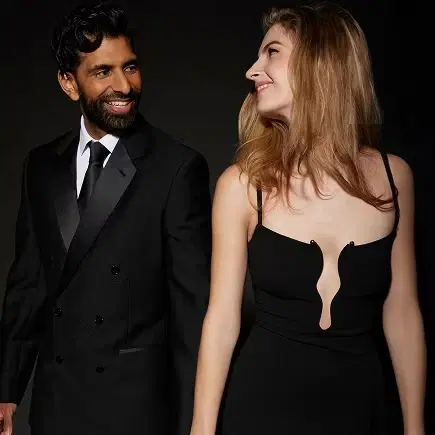
Getting that black tie wedding invitation feels exciting and slightly nerve-wracking at the same time. You want to look stunning while respecting the dress code, but what exactly does black tie mean for wedding guests? The good news is that once you understand the basics, choosing what to wear to a black tie wedding becomes much more straightforward.
Black tie wedding attire represents the most formal dress code for wedding guests, typically reserved for evening celebrations that start after 6 PM. Think elegant, sophisticated, and polished. This dress code calls for your most formal pieces, the ones that make you feel like you're stepping into a movie scene.
The key difference between black tie and other formal dress codes lies in the level of sophistication expected. While cocktail attire allows for shorter dresses and business suits, black tie demands floor-length gowns for women and tuxedos for men. It's about creating an atmosphere of refined celebration that matches the couple's vision for their special day.
Many people confuse black tie with "formal" or "cocktail," but black tie sits at the top of the formality pyramid. When you see this dress code on an invitation, the couple is setting the tone for an elegant, upscale celebration where every detail matters.
Floor-length gowns are your best friend for black tie weddings. These elegant pieces instantly communicate that you understand the dress code while making you feel absolutely radiant. Look for fabrics like silk, chiffon, velvet, or taffeta that drape beautifully and photograph well.
A-line silhouettes work beautifully for most body types and move gracefully on the dance floor. Mermaid styles create dramatic elegance, while sheath dresses offer sleek sophistication. Choose a neckline that makes you feel confident, whether that's a classic scoop, elegant off-the-shoulder, or modern halter style.
Sometimes a floor-length gown isn't practical or available. In these cases, an elegant cocktail dress in a luxurious fabric can work, especially if the event leans toward "black tie optional." Look for dresses that hit at or below the knee with sophisticated details like beading, lace, or interesting necklines.
Formal jumpsuits have become increasingly acceptable at modern black tie events. Choose one in a dressy fabric with elegant tailoring. Tea-length dresses can work for daytime black tie events or garden parties, but stick to floor-length for evening celebrations.
Black remains a classic choice that never goes out of style for black tie events. Navy, emerald, burgundy, and deep jewel tones also work beautifully. These colors photograph well and complement the formal atmosphere without competing with the bridal party.
Avoid white, ivory, or anything that could be mistaken for bridal colors. Very bright or neon colors can feel too casual for the setting. Seasonal considerations matter too: rich burgundies and emeralds work well for fall and winter, while navy and softer jewel tones shine in spring and summer.
A traditional black tuxedo with satin lapels is the gold standard for men's black tie wedding attire. The dinner jacket should feature satin or grosgrain lapels, and matching trousers should have a satin stripe down the side. This classic combination never fails to look sophisticated and appropriate.
Your formal dress shirt should be white with a wing collar or turndown collar, designed specifically for black tie events. A black bow tie is essential, never a regular necktie. The bow tie should match the satin on your lapels for a cohesive look.
Black patent leather shoes or highly polished black dress shoes complete your formal look. Avoid brown shoes or casual loafers, which don't match the formality level. Your shoes should be as polished and elegant as the rest of your outfit.
Choose between a cummerbund or waistcoat to complete your look. Both serve the same purpose of creating a clean line and hiding your shirt where it meets your trousers. Proper shirt studs and cufflinks add those finishing touches that show attention to detail.
If the invitation says "black tie optional," you have more flexibility. A very dark, well-tailored suit in black or midnight navy can work, paired with a white dress shirt and conservative tie. However, a tuxedo will always be the safer, more appropriate choice.
Quality and fit matter more than anything else. A well-fitted dark suit often looks better than a poorly fitted tuxedo. If you're renting, make sure to schedule proper fittings well in advance.
Pro Tip
When in doubt about formality levels, it's always better to be slightly overdressed than underdressed at a black tie wedding. The couple chose this dress code to create a specific atmosphere, and your elegant attire contributes to their dream celebration.
Elegant jewelry elevates your black tie look without overwhelming it. Choose either statement earrings or a beautiful necklace, but rarely both. Classic pearls, diamonds, or sophisticated costume jewelry work beautifully. Your jewelry should complement your dress, not compete with it.
An evening bag or clutch is essential for carrying your essentials. Choose something small and elegant that coordinates with your outfit. Heels between two and four inches work well for most black tie events, giving you elegance while keeping you comfortable for dancing.
A classic dress watch with a leather or metal band adds sophistication without being flashy. Avoid sports watches or anything too casual. If the groom is wearing boutonnieres, you might skip a pocket square to avoid competing, but a simple white pocket square is always appropriate.
Quality cufflinks and shirt studs show attention to detail. Choose classic metals like silver, gold, or platinum. An evening coat or formal overcoat completes your look for outdoor ceremonies or chilly weather.
Short cocktail dresses, while beautiful, don't meet black tie standards for evening events. Save these for cocktail dress code celebrations. Casual fabrics like cotton or jersey also miss the mark, no matter how elegant the cut.
Anything white, ivory, or cream risks upstaging the bride, even if it's clearly not a wedding dress. Overly casual accessories like flip-flops, canvas bags, or sporty jewelry can undermine an otherwise perfect outfit.
Regular business suits, even expensive ones, don't substitute for tuxedos at true black tie events. The satin details and formal cut of a tuxedo create a completely different level of elegance. Colored bow ties or regular neckties also miss the mark for traditional black tie.
Poor fit ruins even the most expensive tuxedo. Make sure your jacket fits properly through the shoulders and your trousers are hemmed to the right length. Casual shoes like loafers or anything brown disrupts the formal aesthetic.
"Black tie optional" gives you more flexibility while still encouraging formal attire. Men can choose between tuxedos and very formal dark suits, while women can opt for elegant cocktail dresses or floor-length gowns. This wording acknowledges that not everyone owns formal wear while still setting a sophisticated tone.
Strict black tie means exactly that: tuxedos for men and floor-length gowns for women. The couple wants a very formal celebration, and your attire should reflect that vision. When the invitation simply says "black tie," assume they mean the traditional interpretation.
Look for other clues about formality level: venue, time of day, and season all provide hints. An evening wedding at a luxury hotel suggests stricter interpretation, while a garden party might allow more flexibility even with black tie wording.
Women wear floor-length evening gowns in elegant fabrics like silk or chiffon, paired with formal accessories. Men wear black tuxedos with bow ties, formal dress shirts, and patent leather shoes. The goal is sophisticated elegance that matches the formal atmosphere.
A regular suit typically doesn't meet black tie standards, but a very formal dark suit might work for "black tie optional" events. However, a tuxedo is always the safer choice and shows proper respect for the dress code the couple requested.
Avoid short dresses, casual fabrics, white or ivory colors, flip-flops, canvas bags, and overly casual jewelry. These choices don't match the formality level and can make you feel underdressed among other guests.
Absolutely! Black is a classic, elegant choice for black tie events and never goes out of style. It's sophisticated, photographs beautifully, and shows you understand the dress code. Many guests choose black for its timeless appeal.
Your outfit should make you feel elegant and special, not casual or everyday. If you'd wear it to work or a casual dinner, it's probably not formal enough. David's Bridal offers styling appointments where experts can help you find the perfect black tie wedding guest look that makes you feel confident and appropriately dressed.
Dressing for a black tie wedding is about celebrating the couple's special day while feeling confident and elegant yourself. When you choose the right formal attire, you contribute to the sophisticated atmosphere they envisioned while ensuring you feel absolutely radiant. Remember, the goal is refined celebration where everyone looks and feels their best.