Luxury Wedding
•03 min read
The transition from dinner to dancing defines the trajectory of your celebration. What begins as intimate conversation over carefully curated courses must evolve into the spirited revelry your guests will remember. Your wedding planner orchestrates this transformation through precise timing, atmospheric shifts, and strategic vendor coordination that makes the evolution feel effortless.
Reception flow operates on emotional momentum rather than rigid scheduling. The most memorable celebrations create natural crescendos that draw guests from their tables to the dance floor without forced announcements or awkward pauses. This requires understanding how lighting, music, and spatial design work together to guide guest behavior.
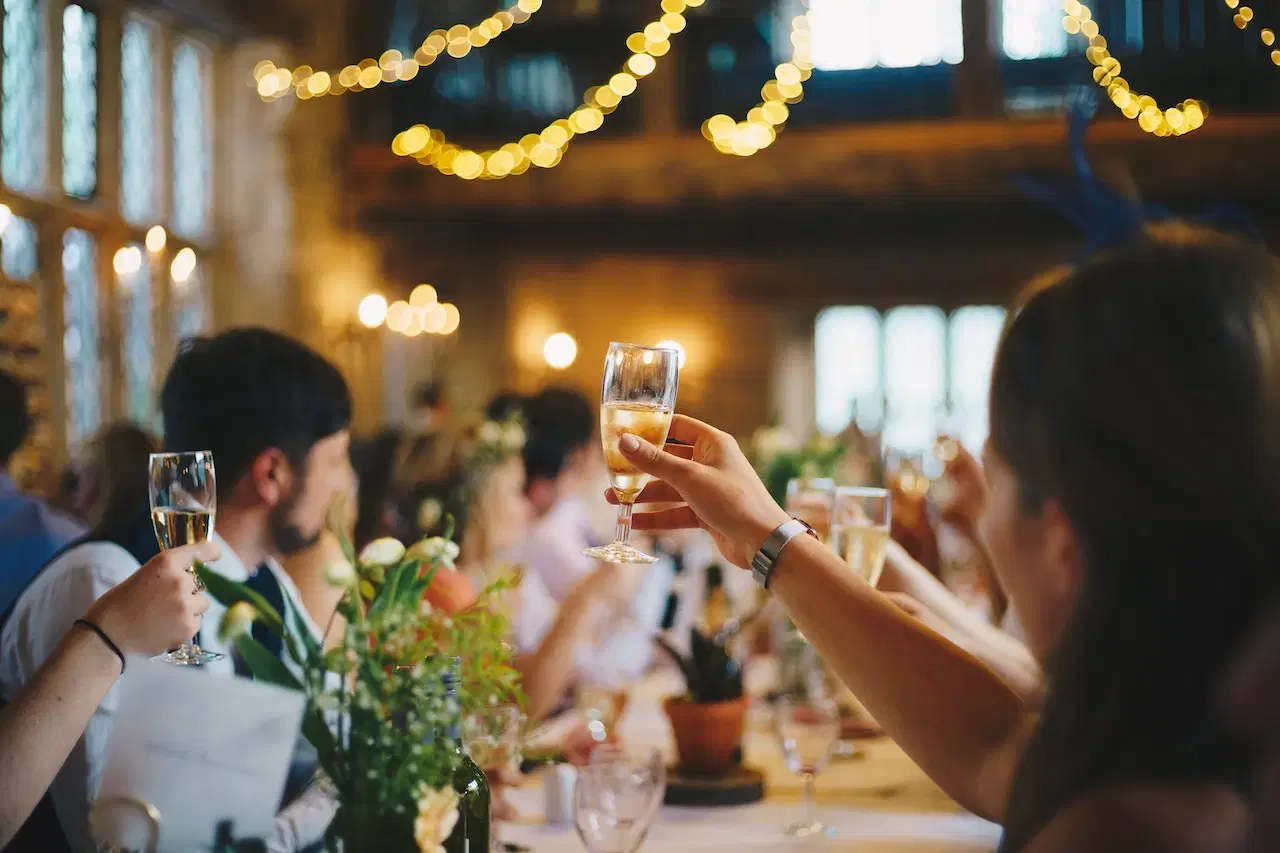
Atmospheric transitions begin during the final dinner course. Subtle lighting shifts—perhaps dimming overhead chandeliers while increasing dance floor illumination—signal the approaching celebration phase. Your band or DJ gradually adjusts volume and tempo, creating an auditory bridge between intimate dining and energetic dancing.
Lighting design that evolves throughout the evening
Music progression that builds anticipation
Spatial cues that encourage movement
Service timing that supports natural flow
Wedding planners approach reception transitions through carefully orchestrated vendor synchronization. The catering team coordinates final course service with your entertainment team's readiness to shift energy. Floral and design elements may include programmed lighting or moveable installations that transform the space.
Your wedding planner manages multiple vendor touchpoints to ensure seamless execution. The catering manager signals course completion while your entertainment team prepares for the energy shift. Photography and videography teams position themselves to capture both intimate dinner moments and the transition to celebration.
How do wedding planners coordinate vendor timing for smooth transitions?
Wedding planners use detailed run-of-show documents with specific cue times and backup signals. Each vendor receives their portion of the timeline with clear handoff points and contingency protocols for any delays.
Toasts and special moments serve as natural bridges between dinner and dancing. Parent dances create emotional peaks that transition beautifully into general dancing. Anniversary dances or cultural traditions provide interactive elements that naturally draw guests from their seats.
The cake cutting often serves as a celebration catalyst, positioned strategically after dinner but before the dance floor opens. This creates a natural gathering point that transitions into the evening's more spirited phase.
Physical space design influences how naturally guests transition from dining to dancing. Table arrangements that create clear sightlines to the dance floor encourage movement. Lounge areas positioned strategically between dining and dancing spaces provide comfortable transition zones for guests who prefer gradual engagement.
Sophisticated lighting design creates visual pathways that guide guests naturally toward celebration areas. Uplighting that intensifies around the dance floor while softening in dining areas provides subtle directional cues. Candle arrangements and ambient lighting maintain intimacy while encouraging movement.
Progressive lighting changes throughout dinner service
Strategic illumination of dance floor and bar areas
Pathway lighting that guides natural movement
Ambient elements that maintain celebration atmosphere
Your entertainment team reads the room's energy and adjusts accordingly. Experienced wedding bands and DJs understand how to build anticipation during dinner service, then capitalize on natural energy peaks to draw guests to the dance floor. This requires sophisticated crowd psychology and musical intuition.
Reception music follows an emotional arc that supports natural guest engagement. Background music during dinner gradually increases in tempo and familiarity. The first dance serves as an invitation, followed by carefully selected songs that encourage broader participation.
What role does music selection play in encouraging guests to dance?
Music selection creates emotional bridges between different energy levels. Starting with broadly appealing, recognizable songs helps guests feel comfortable joining the dance floor, then gradually introducing more diverse selections as participation increases.
Multi-day celebrations require even more sophisticated transition management. Your wedding planner coordinates not just single-evening flow, but energy management across welcome parties, rehearsal dinners, and farewell brunches. Each event builds toward your reception's climactic celebration.
Vendor teams work in synchronized coordination—catering staff clearing efficiently while maintaining service quality, photography teams capturing both intimate and celebratory moments, and entertainment seamlessly shifting between background ambiance and featured performance.
Pearl Planner's coordination tools help your wedding planner manage these complex vendor relationships and timing requirements. The platform's timeline features allow real-time adjustments while maintaining clear communication across your entire vendor team.
Successful reception transitions reflect the same attention to detail as your custom gown fitting or estate venue selection. When orchestrated with precision, the evolution from dinner to dancing feels as natural as the celebration itself, creating the seamless experience worthy of your investment.