Wedding Looks
•04 min read
Planning a wedding that honors multiple cultural backgrounds can feel overwhelming when you're trying to respect everyone's traditions. Whether you're blending two cultures or hosting guests from diverse backgrounds, understanding cultural wedding etiquette helps create a celebration where everyone feels included and respected.
Cultural wedding etiquette goes beyond basic manners. It's about recognizing that wedding customs carry deep meaning for families and communities. What might seem like a simple tradition often represents generations of cultural identity.
Different cultures approach timing, formality, and participation in unique ways. Some traditions emphasize community involvement, while others focus on intimate family moments. Understanding these differences helps you plan thoughtfully rather than accidentally overlooking important customs.
The key is balance. You don't need to incorporate every tradition, but acknowledging the ones that matter most to your families shows respect and creates meaningful moments for everyone involved.
Chinese weddings often include tea ceremonies where couples serve tea to elders as a sign of respect. Red appears frequently in decorations and attire because it symbolizes luck and prosperity. Gift-giving typically involves monetary presents in red envelopes with even numbers.
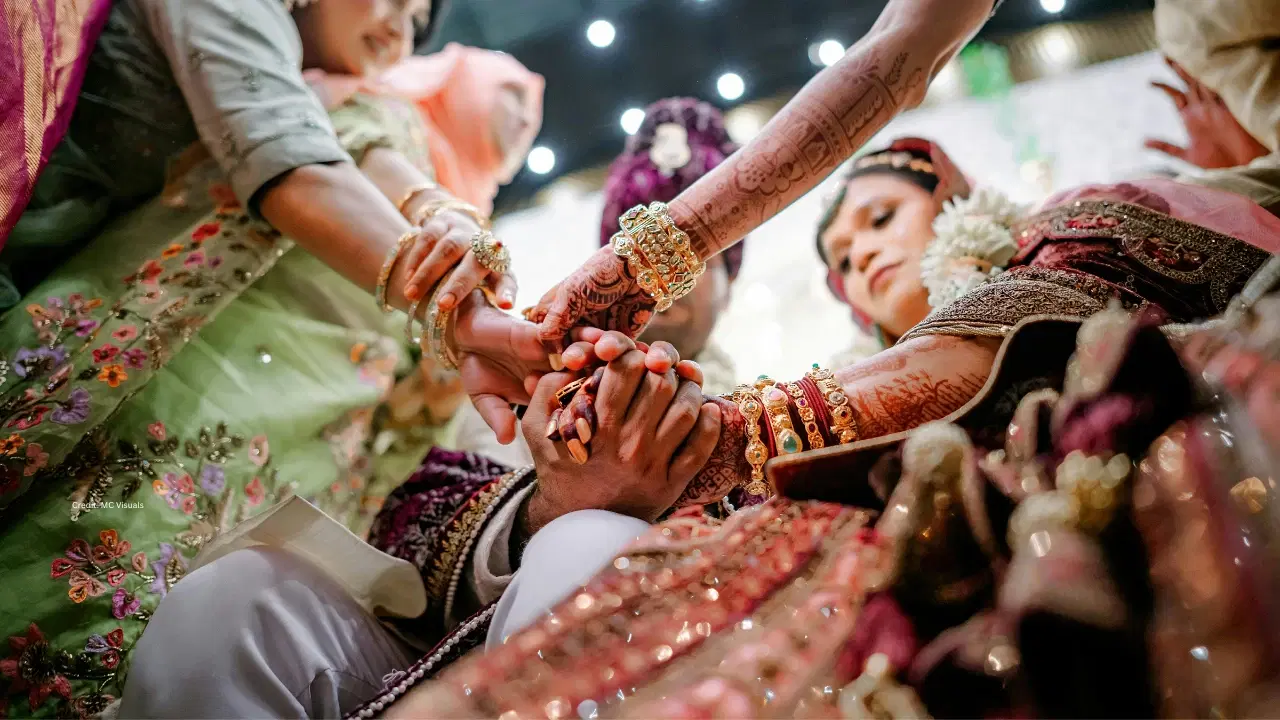
Indian celebrations might span several days with events like mehendi (henna ceremonies) and sangeet (musical celebrations). These pre-wedding events are as important as the ceremony itself and often require specific attire for different occasions.
Japanese weddings may include sake-sharing rituals that symbolize the joining of families. Gift money is presented in special envelopes, and the amounts follow specific cultural guidelines.
European and American traditions often emphasize punctuality and formal protocols. Guests typically arrive on time, stand during processionals, and follow specific patterns for gift-giving and reception activities.
These weddings usually follow a structured timeline with clear expectations for when different activities happen. Understanding these patterns helps when blending with other cultural approaches that might be more flexible with timing.
Islamic wedding customs often require modest dress codes for all guests. Ceremonies might be separated by gender, and alcohol may not be served. Understanding these requirements helps guests dress appropriately and participate respectfully.
African heritage celebrations often include symbolic elements like jumping the broom or libation ceremonies. These traditions carry historical significance and require respectful participation from all guests.
Interfaith weddings require extra consideration when blending religious ceremonies. Start by identifying which elements are most important to each family. Some traditions can be modified or combined, while others need to remain intact to preserve their meaning.
Create wedding programs that explain different customs to guests. This helps everyone understand what's happening and when to participate. Include translations if multiple languages are involved.
Expert Tip
When planning multicultural weddings, focus on the traditions that feel most meaningful to you as a couple rather than trying to include everything. Quality over quantity creates more impactful moments.
Consider dietary restrictions and religious observances when planning your menu and timeline. Some guests might need vegetarian options, halal or kosher food, or alcohol-free alternatives.
Different cultures have specific expectations for wedding looks. Some require modest coverage, while others have color restrictions. Red might be reserved for the bride in Chinese and Indian weddings, while white could be inappropriate in certain traditions.
When in doubt, ask the couple or their families about appropriate attire. Most people appreciate guests who take the time to understand and respect their customs.
Gift expectations vary significantly across cultures. Some traditions prefer monetary gifts in specific amounts or presentations. Others focus on household items or symbolic presents that carry cultural meaning.
Research the couple's background or ask close family members about appropriate gift-giving customs. This shows respect and helps you participate meaningfully in their celebration.

When planning multicultural weddings, consider how different elements work together. Music selections might need to represent multiple traditions. Food choices should accommodate various dietary needs and cultural preferences.
Venue selection matters too. Some locations might not accommodate certain religious requirements or cultural practices. Think about accessibility for older family members and space for traditional activities.
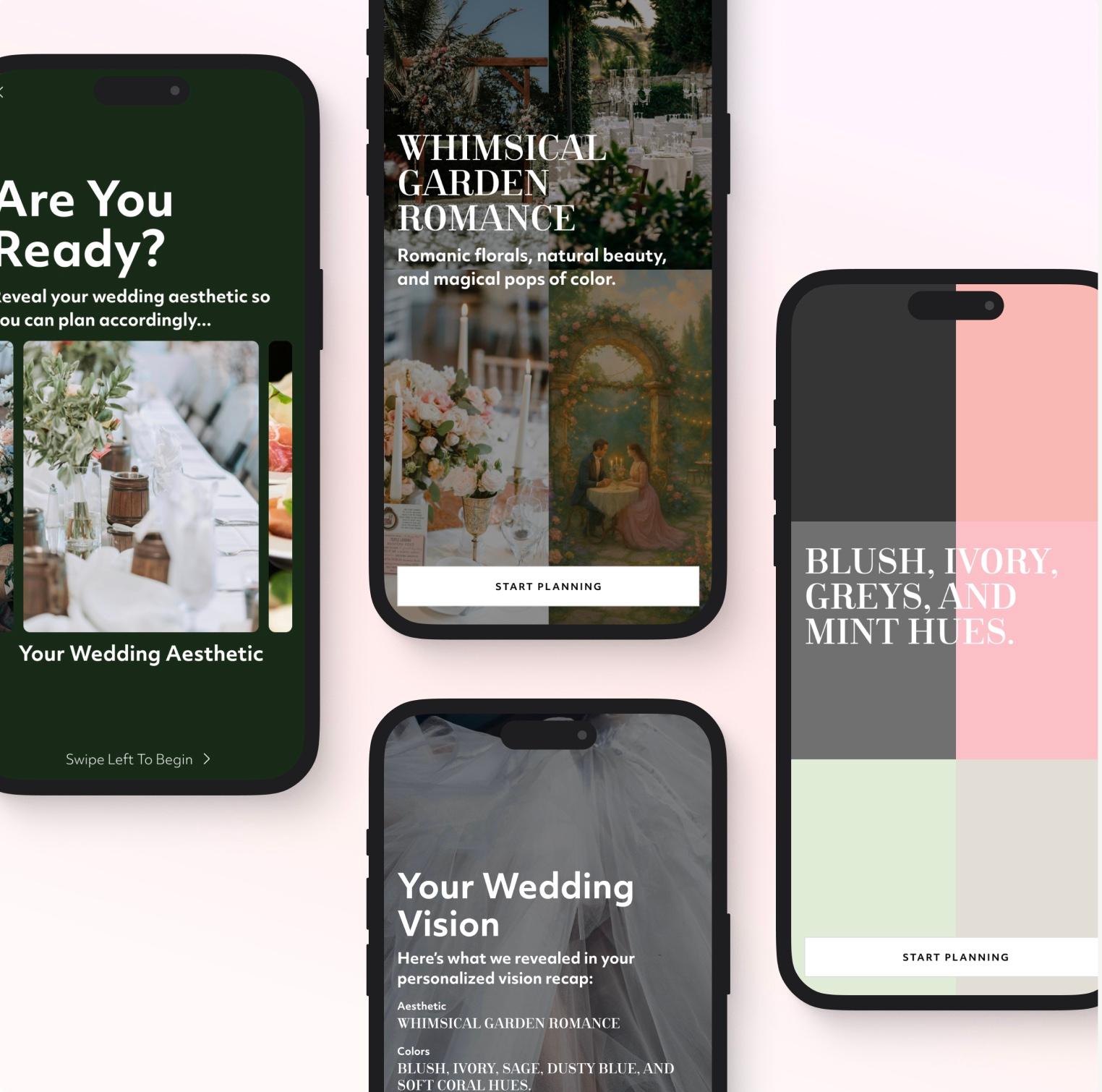
Pearl Planner can help organize these complex cultural considerations by creating customized timelines and vendor lists that account for different traditions and requirements, making it easier to track all the moving pieces.
Ask the couple about dress code expectations for their specific cultural traditions. When in doubt, choose modest, respectful attire and avoid colors that might have special significance in their cultures.
Follow the lead of other guests and family members. Most couples appreciate when guests make an effort to participate, even if you're not familiar with the traditions.
Focus on the elements that matter most to each family and find creative ways to honor both. Sometimes this means having separate ceremonies or incorporating traditions at different points in the celebration.
Have open conversations with your partner and their family about which traditions feel most important. Understanding the meaning behind customs helps you make informed decisions about what to include.
Choose the traditions that feel most meaningful to you as a couple. Including too many elements can make the day feel overwhelming rather than special.
Navigating cultural wedding etiquette successfully comes down to communication, respect, and thoughtful planning. When you take time to understand different traditions and create space for what matters most, you build a celebration that honors your heritage while bringing people together. Pearl Planner's organizational tools can help you manage these complex cultural considerations, ensuring nothing important gets overlooked as you plan your meaningful celebration.