What is the Regency Era? Exploring Its Style and Society
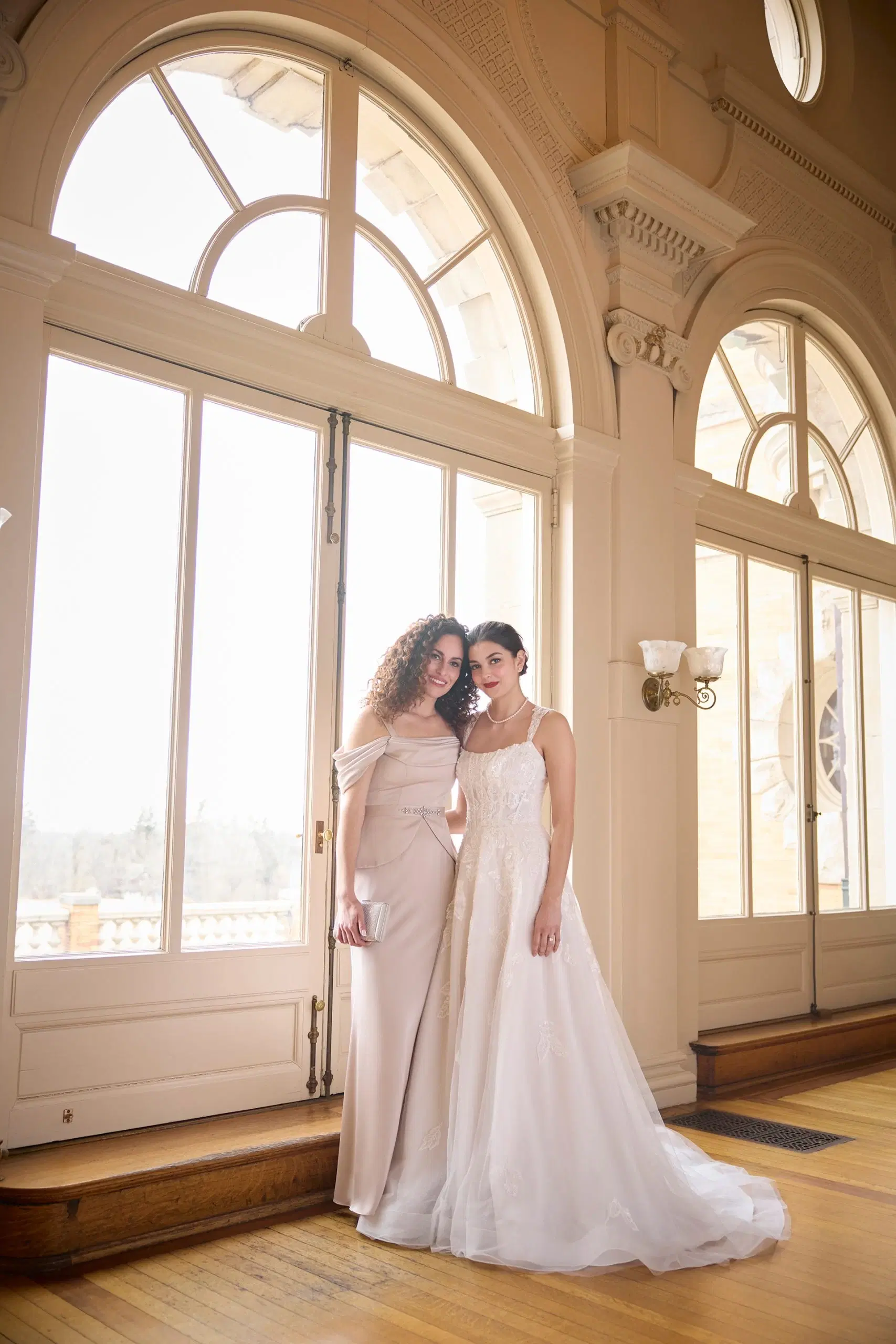
If you've found yourself obsessing over corset-laced gowns, soft empire waistlines, and that whole "romantically undone" aesthetic after a Netflix binge, you're not alone. The Regency era is having a full cultural comeback, and its influence on bridal and wedding fashion right now is genuinely worth understanding. Not because you need a history lesson, but because knowing what actually defined this period makes it so much easier to shop for, style, and wear it on your wedding day.
The Regency era spans roughly 1811 to 1820 in Britain, named after the Prince Regent (later King George IV) who ruled in place of his father. But in fashion and cultural terms, historians usually stretch it a little wider, roughly from the 1790s through the 1830s. Think Jane Austen writing Sense and Sensibility. Think candlelit ballrooms, country estates, and a society obsessed with rank, marriage, and propriety.
What made this period distinct was how dramatically it broke from what came before it. The stiff, structured silhouettes of the Georgian era gave way to something softer and more fluid. Fashion moved toward ancient Greco-Roman ideals of beauty: light fabrics, natural waistlines that sat just below the bust, and a silhouette that suggested movement rather than restricting it.
The defining feature of Regency fashion is the empire waist, a seam that sits just below the bust and lets the skirt fall loosely from there. It's the opposite of a corseted, nipped-in waist. The silhouette is long, lean, and column-like rather than structured and sculpted.
Fabrics were deliberately light. Muslin, silk, and fine cotton gauze were everywhere because the look was meant to flow, not hold a shape on its own. Sleeves were often short and puffed at the shoulder, though long gloves extended the arm coverage. Necklines ranged from modest square necklines to surprisingly low décolletage for evening wear.
White and ivory were the preferred palette for formal and bridal occasions, which is part of why Regency aesthetics translate so naturally into wedding wear today.
Evening gowns were often sheer over a slip or petticoat, trimmed with delicate embroidery, lace, or silk ribbon along the hem and neckline. Trains were common for court and formal events. Satin opera gloves, pearl jewelry, and a simple ribbon or feather in loosely pinned hair completed the look.
The overall effect was intentionally understated by aristocratic standards, which is part of its appeal. Regency fashion leaned into elegance without excess.
A lot of it comes down to how wearable it is. Empire waist dresses are genuinely comfortable. They don't restrict movement, they work across a range of body types without alteration drama, and they photograph beautifully in natural light settings like garden wedding ceremonies, barn venues, and historic estates.
The soft romance quality of Regency-style gowns also pairs naturally with current wedding aesthetics: botanical florals, candlelit receptions, vintage-inspired tablescapes. It's a look that feels intentional without trying too hard.
At David's Bridal, we've seen a real uptick in brides reaching for styles that carry this sensibility — soft draping, minimal structure, empire or high-waist construction, delicate lace overlays, and simple floral or pearl detail accessories.
The most direct reference. An empire waist dress sits high on the torso, just under the bust, and flows to the floor without a defined hip. It tends to be one of the more comfortable silhouettes to wear all day, and it pairs naturally with outdoor ceremonies where you're moving around a lot.
Not every Regency-inspired gown has a true empire waist, but the a-line wedding dress with a softer, less boned bodice borrows the same spirit. It moves, it breathes, and it doesn't read as fussy.
The column silhouette is the contemporary evolution of that original Regency line. In lightweight chiffon wedding dresses or soft crepe, it carries the same lean elegance with a more modern finish. A sheath wedding dress also works beautifully here, especially in flowing satin charmeuse.
Delicate lace bridal gown trim along the neckline or hem rather than heavy all-over lace
Cap sleeve dresses or short puff sleeves (not full, structured sleeves)
Ribbon or sash detail just below the bust
Soft sweetheart neckline or square cuts
Minimal embellishment overall, letting fabric do the work
Pearl or floral hair accessories instead of heavy tiaras
Long gloves for a period-accurate touch that still reads as bridal
If you're planning to tailor any of these elements to fit your exact measurements or vision, our alterations services can help you get there without the guesswork.
Regency-adjacent bridesmaid looks tend to favor softer, more muted tones: sage, blush, dusty blue, champagne, and ivory. Chiffon and flowy satin in those shades read as cohesive without being costume-y.
For silhouette, empire waist or A-line bridesmaid dresses keep the aesthetic consistent with the bridal look. You don't need to be matchy-matchy, but staying in the same family of fabric weights and neckline shapes makes photos feel intentional. Satin tends to read a little more formal; chiffon tends to feel lighter and more floaty — both work.
What doesn't work as well: anything too structured, bodycon, or heavily embellished. The Regency look is restrained by nature, so styles with a lot of ruching, heavy beading, or exaggerated volume can feel off. Keep it soft.
For younger members of the wedding party, the Regency aesthetic translates beautifully. Simple flower girl dresses in white, ivory, or soft pastels with ribbon sash details hit the right note. Junior bridesmaid dresses in flowing chiffon also work really well, especially when they echo the palette of the bridesmaids. Skip the big tulle skirts for this one. The whole point of the look is that it doesn't try too hard.
Soft, natural fabrics. Chiffon soft gowns, charmeuse, soft satin, and lace overlays all feel period-appropriate and genuinely comfortable.
Minimal accessories. Let the gown carry the look. A short pearl necklace, a small floral crown, or simple stud earrings work better than layering everything.
Loose, romantic hair. Soft updos with face-framing pieces, or loose waves, feel right. Very sleek or very structured styles work against the aesthetic.
Nature-forward venues. Gardens, estates, historic buildings, and outdoor settings all complement this look naturally. The romantic garden wedding guide has great ideas on how to build a cohesive day around this aesthetic.
Heavy, structured undergarments that fight the silhouette. If the gown is meant to flow, let it.
Very modern, architectural accessories. Clean-line geometric jewelry or statement modern pieces tend to clash.
Stiff fabrics like heavy taffeta or duchess satin without drape. They don't carry the softness the look needs.
Overly dramatic veils or cathedral-length trains unless the venue genuinely calls for them. For Regency-adjacent aesthetics, less tends to be more.
Think gloves, pearl drops, ribbon-wrapped bouquets, and hair pieces over tiaras. Floral crowns work well here. If you want to include a veil, a simple elbow or fingertip length in soft tulle keeps it consistent. Not sure which veil length works for your gown? The veil guide breaks it down clearly. For shoes, low-heeled satin mules or simple strappy sandals tend to work better underfoot than very platform or very modern silhouettes. And for jewelry, a pearl necklace, pearl earrings, and a pearl bracelet keep everything cohesive without overdoing it.
Bridgerton is set in the Regency era and draws heavily on its fashion, but it also adds a lot of creative embellishment for TV. A real Regency-inspired wedding tends to be a bit more restrained. If you love the Bridgerton visual, lean into the romantic wedding palette and soft silhouettes without trying to replicate the maximalism of the show's costume design.
Completely. The aesthetic works at garden venues, barns, beaches with a more romantic vibe, and even some hotel ballrooms. What matters is the overall feel of the day being cohesive, not the specific venue type.
Empire waist seams sit just below the bust, usually within an inch or two. High-waist is a slightly looser term that can mean anywhere from the natural waist to just under the bust. For Regency-accurate styling, empire waist is the closer reference.
Not at all. These gowns are actually designed to work without heavy internal structure. A simple slip or built-in lining is usually enough. If you want support, a soft bralette or low-profile undergarment works better than traditional bridal shapewear under this silhouette.
Fabric choice does the most work here. Silk charmeuse or soft satin reads as formal even in a simple silhouette. Lace trim, delicate embroidery, or a small train also add formality without changing the overall feel.
Whether you're fully committed to the aesthetic or just borrowing a few elements for your look, the right gown makes it real. At David's Bridal, you can book a free styling session in-store or virtually to talk through silhouettes, fabrics, and how to make this look work for your specific venue and vision.
The Regency era got one thing genuinely right: clothes that let you move, breathe, and actually enjoy the day you're in. That's still a pretty solid brief for a wedding gown.