How to Choose the Perfect Indian Bridal Jewelry Set
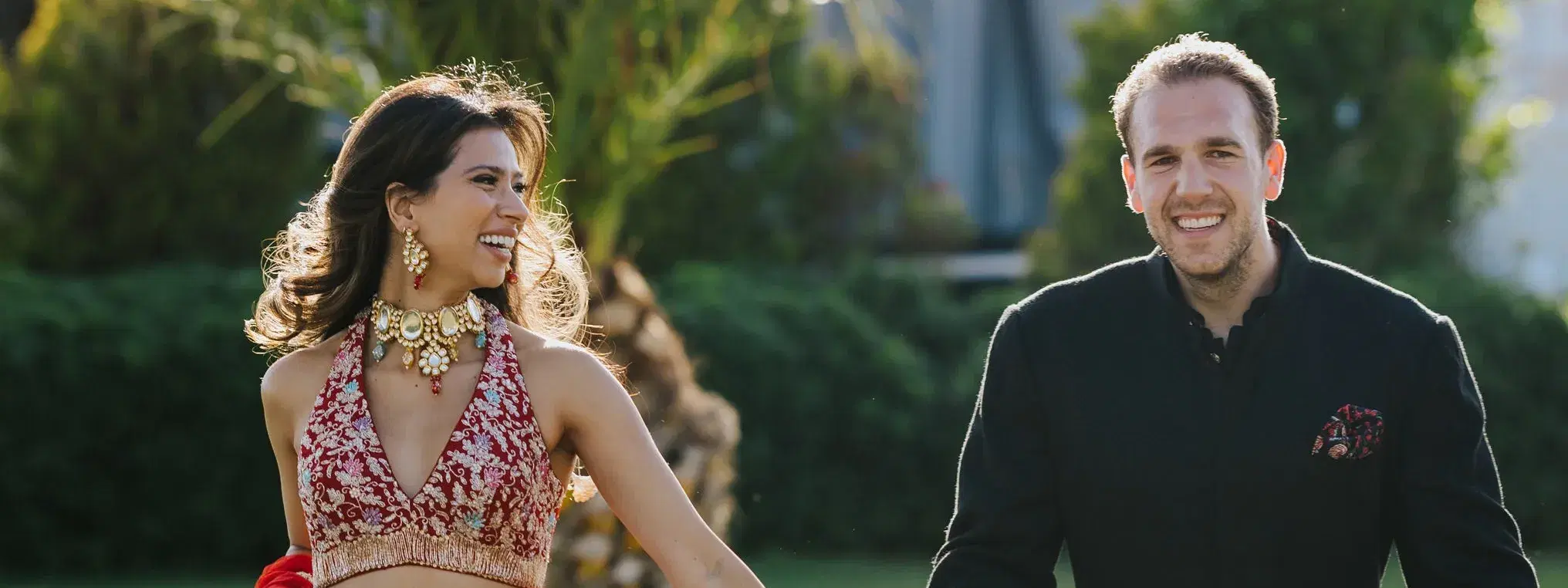
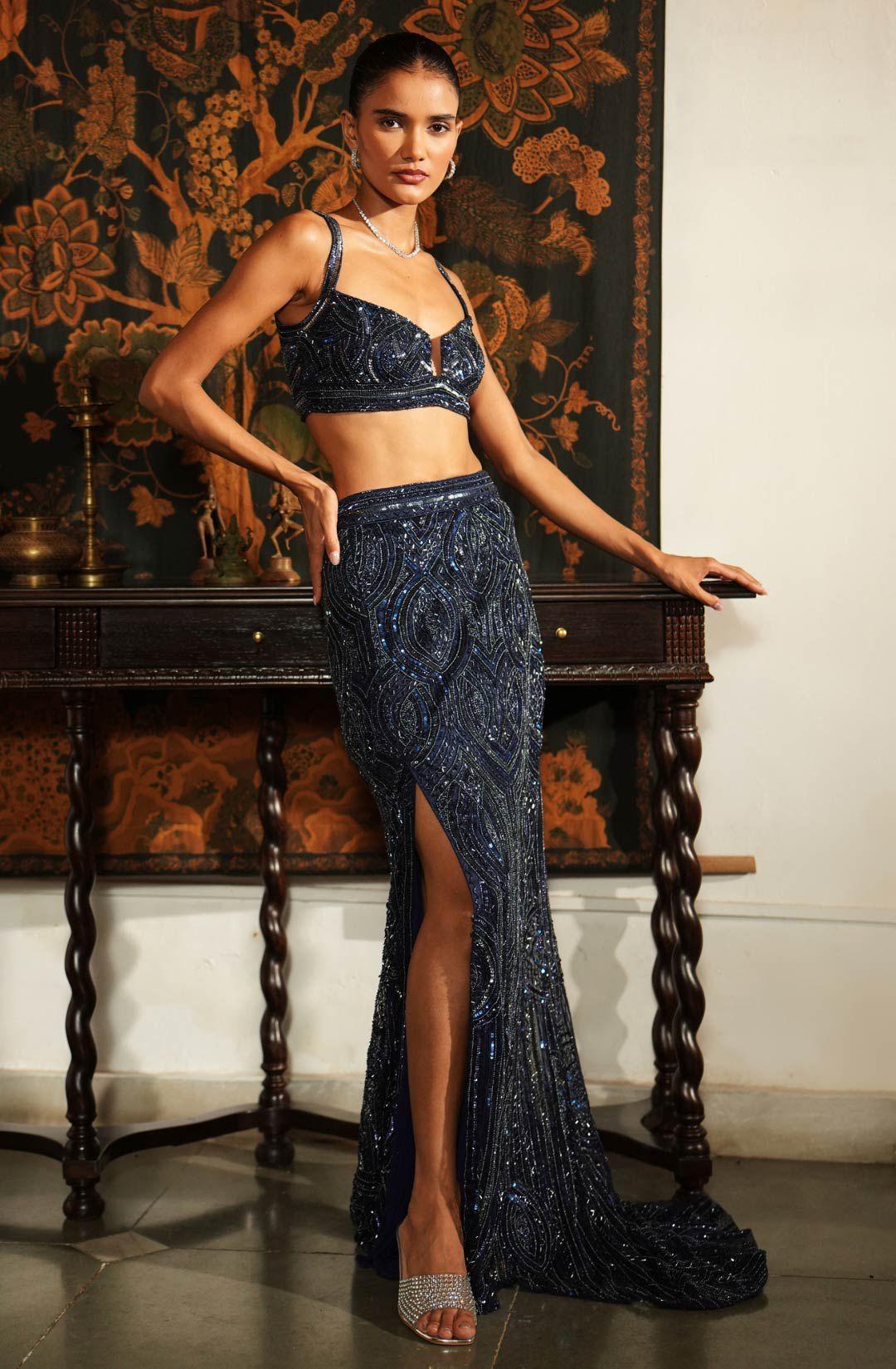
Your wedding day deserves jewelry that honors your heritage while making you feel absolutely radiant. Choosing the perfect indian bridal jewelry set can feel overwhelming with so many stunning options, but understanding the essentials will help you create a look that's authentically you.
Indian wedding jewelry carries deep cultural meaning beyond pure beauty. Each piece tells a story of prosperity, protection, and new beginnings. The bridal necklace symbolizes the sacred bond between families, while the maang tikka represents the third eye and spiritual awakening.
These traditions connect you to generations of brides who wore similar pieces, creating a beautiful continuity of heritage and love.
South Indian brides often favor temple jewelry with intricate goddess motifs and ruby accents. North Indian traditions lean toward kundan jewelry and polki jewelry with uncut diamonds and colorful gemstones.
Bengali brides cherish gold bangles for wedding ceremonies, while Punjabi brides love statement chokers. Your family's regional background can guide your choices while still allowing personal expression.
Start with these essential pieces that work across most Indian wedding traditions:
Bridal necklace sets (choker plus long chain)
Maang tikka and coordinating hair jewelry
Bridal earrings (chandbali or jhumkas)
Wedding bangles or kadas
Nose ring (nath) if culturally appropriate
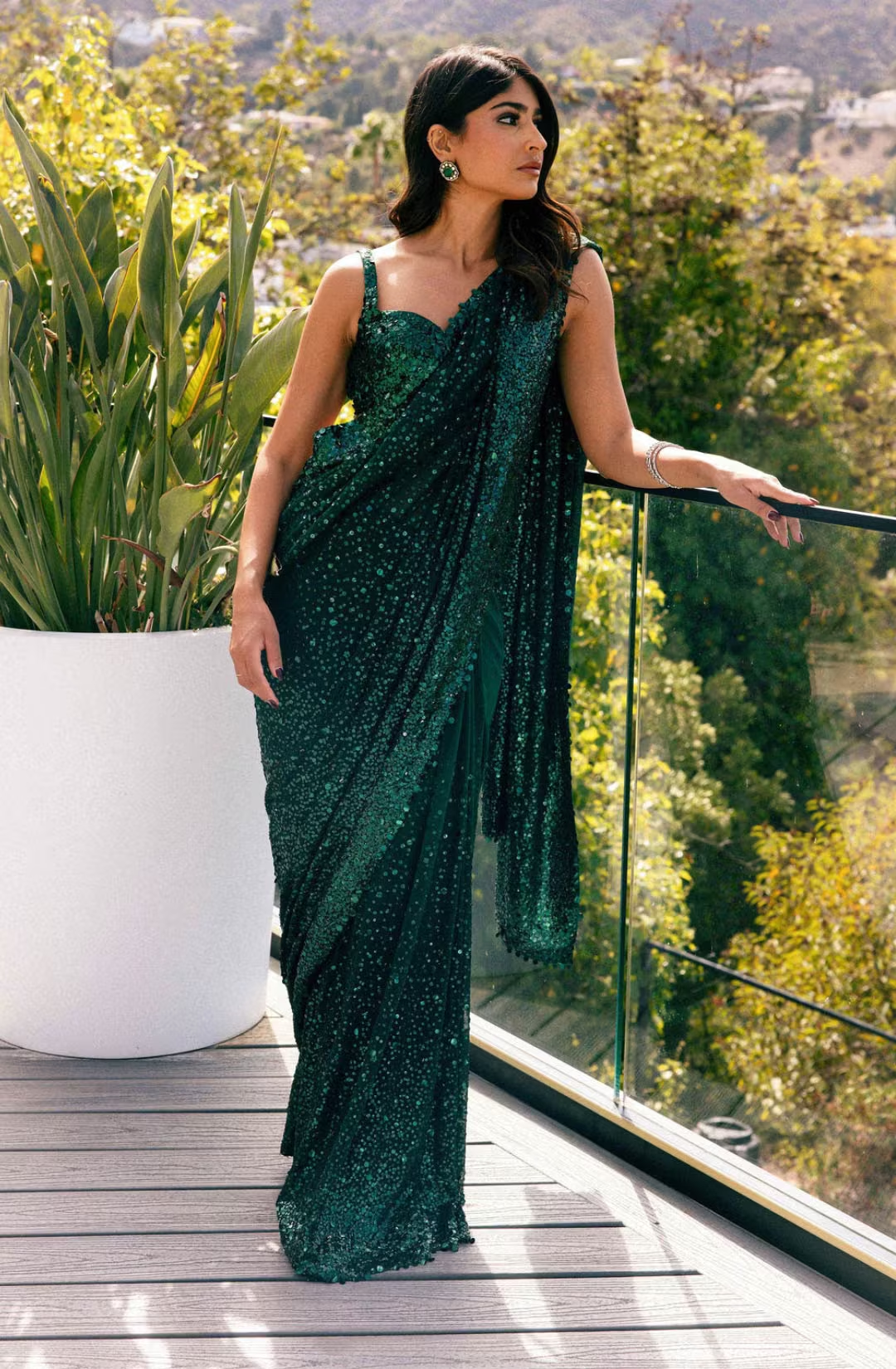
Gold bridal jewelry typically comes in 22k or 18k options. Twenty-two karat gold offers that rich, traditional yellow color but requires gentler handling. Eighteen karat gold provides more durability for everyday wear after your wedding.
Consider your lifestyle and how often you'll wear these pieces when choosing between purity levels.
Kundan jewelry features glass stones set in gold foil, creating brilliant sparkle without the diamond price tag. This Mughal-era technique produces stunning bridal jewelry sets perfect for brides wanting traditional glamour.
Look for pieces with intricate meenakari work on the reverse side for authentic craftsmanship.
Temple jewelry showcases goddess motifs, peacocks, and lotus designs that honor divine feminine energy. These pieces often feature rubies, emeralds, and pearls set in antique gold finishes.
Perfect for brides wanting jewelry that feels both sacred and sophisticated.
Polki jewelry uses uncut diamonds in their natural form, creating organic sparkle that catches light beautifully. These investment pieces often become family heirlooms passed down through generations.
Pro Tip
Mix one statement piece (like a polki choker) with simpler gold pieces to create visual interest without overwhelming your outfit. This approach also helps stretch your jewelry budget further.
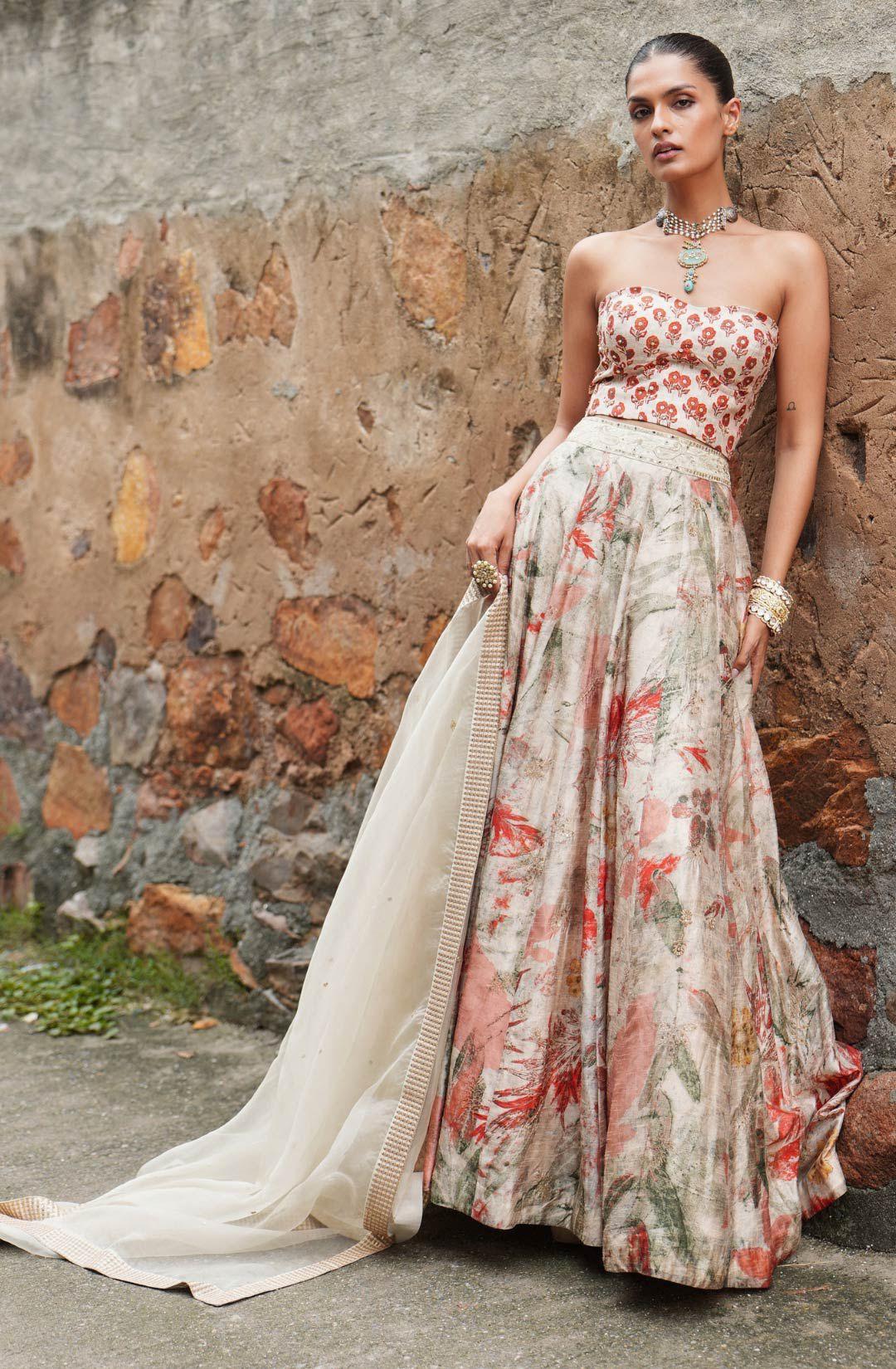
Heavy embroidered outfits pair beautifully with simpler gold pieces that won't compete for attention. Minimally decorated fabrics can handle more elaborate bridal jewelry sets with intricate details and gemstones.
Consider your neckline too. High-neck blouses work best with longer necklaces, while deep necklines showcase chokers perfectly.
Plan different jewelry looks for each ceremony. Save your heaviest, most elaborate pieces for the main wedding ceremony. Choose lighter, more comfortable options for mehendi and sangeet celebrations where you'll be dancing and moving frequently.
This approach also gives you more opportunities to showcase different pieces and styles.
Quality indian bridal jewelry represents a significant investment. Plan to spend 15-25% of your total wedding budget on jewelry, adjusting based on your priorities and family traditions.
Remember that these pieces often become treasured family heirlooms, making them worthwhile investments beyond just your wedding day.
Invest in one or two signature pieces like a stunning necklace or bridal earrings in real gold. Supplement with high-quality fashion jewelry for additional pieces like extra bangles or hair accessories.
This strategy gives you the authentic look you want while keeping costs manageable.
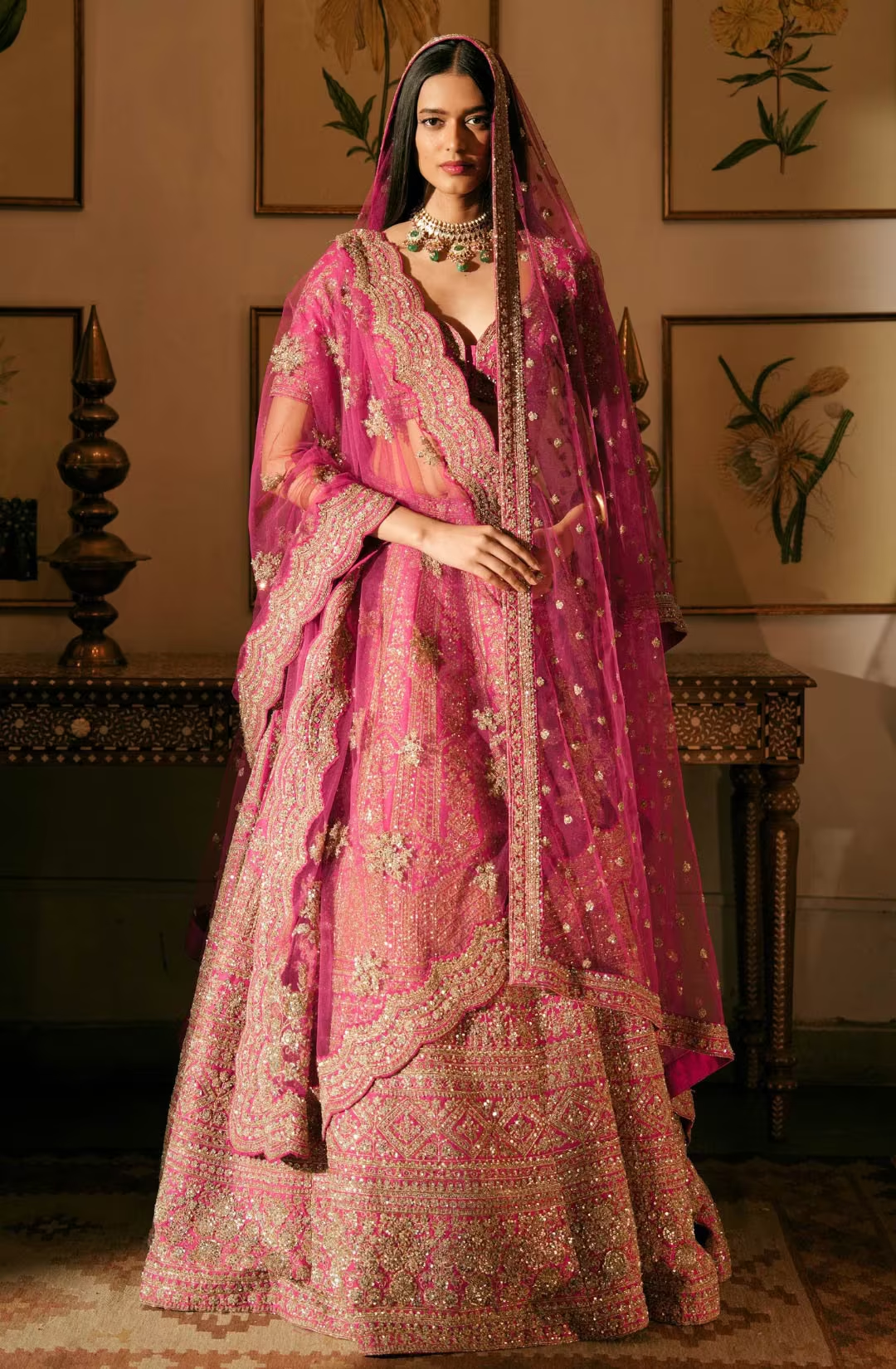
Round faces look gorgeous with longer necklaces that create vertical lines. Heart-shaped faces benefit from wider chokers that balance a narrow chin. Oval faces can wear almost any necklace style beautifully.
Long faces pair wonderfully with wider bridal earrings like chandbali styles. Square faces soften with curved jhumkas or drop earrings. Consider your hairstyle too when choosing earring length and style.
Most brides allocate 15-25% of their wedding budget to jewelry. This typically ranges from $3,000-$15,000 depending on your overall budget and preferences. Focus on investing in one or two statement pieces and supplementing with quality fashion jewelry.
Kundan uses glass stones set in gold foil for brilliant sparkle, while polki features uncut natural diamonds. Polki is more expensive but offers investment value, while kundan provides traditional beauty at accessible prices.
Absolutely! Modern brides often blend heritage pieces with contemporary designs. Try pairing a traditional maang tikka with sleek modern earrings, or wear contemporary bangles with a classic necklace set.
Start shopping 4-6 months before your wedding. Custom pieces may need 8-12 weeks for completion. This timeline allows for any adjustments and ensures you're not rushed into decisions. Many brides find beautiful options at retailers like David's Bridal, which offers curated collections that blend traditional craftsmanship with modern accessibility.
Prioritize your bridal necklace and earrings since these appear in most photos. A quality maang tikka is also essential for traditional ceremonies. These three pieces form the foundation of your bridal jewelry look.
Choosing your indian bridal jewelry should feel exciting, not stressful. Trust your instincts, honor your heritage, and select pieces that make you feel like the radiant bride you are. These treasures will remind you of your special day for years to come while potentially becoming cherished family heirlooms for future generations.