7 Stunning Bridesmaid Dresses for Indian Weddings
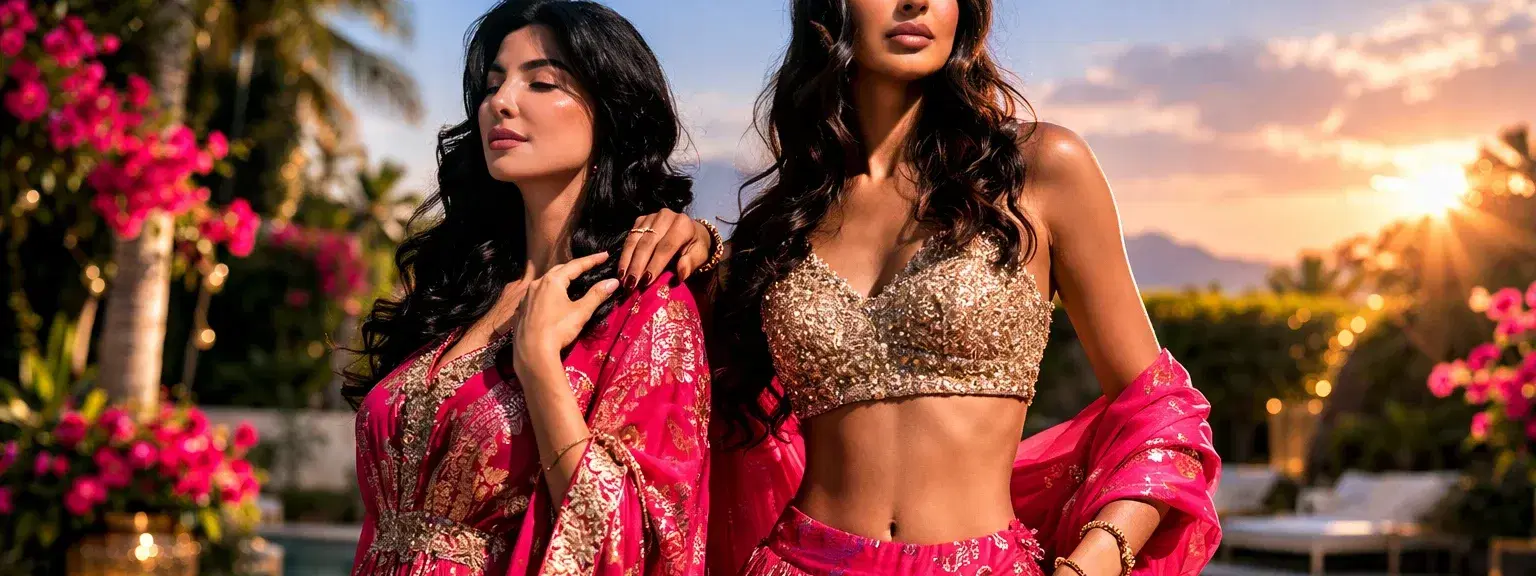
Planning an Indian wedding means coordinating multiple ceremonies, vibrant traditions, and stunning outfits for everyone in your wedding party. Your bridesmaids deserve to look as radiant as the celebration itself, whether they're wearing traditional saris or modern fusion pieces that honor your heritage while keeping everyone comfortable throughout the festivities.
Indian weddings celebrate community and family, which means your bridesmaids play a special role in each ceremony. Unlike Western traditions where bridesmaids wear matching dresses, Indian weddings often embrace coordinated colors and styles that complement the bride's outfit while allowing each person to express their individual style.
Regional traditions vary significantly across India. South Indian weddings might favor silk saris in specific colors, while North Indian celebrations often showcase lehengas with intricate embroidery. Modern Indian weddings blend these traditions, giving you freedom to choose styles that reflect your family's heritage and your personal aesthetic.
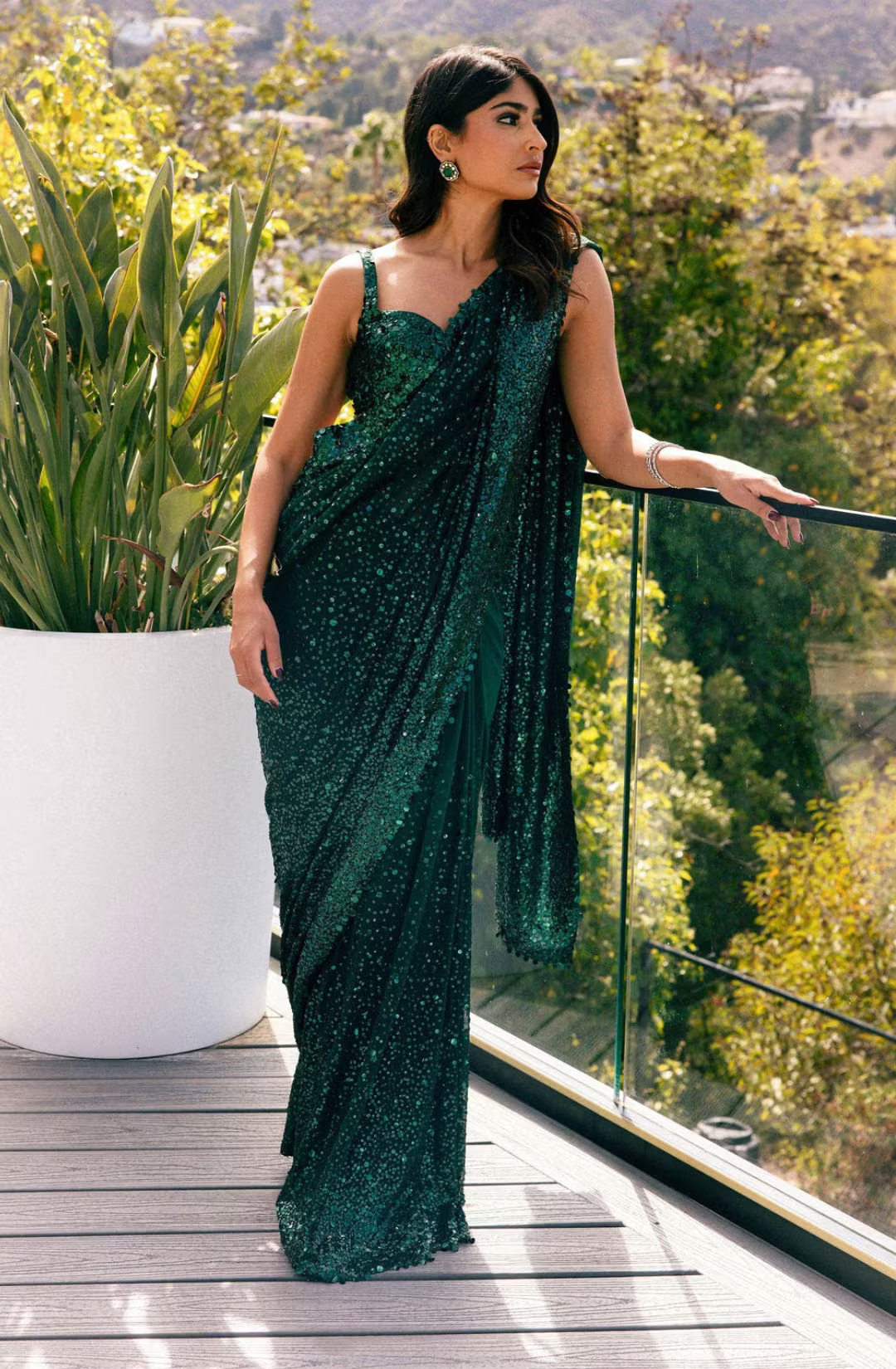
Nothing matches the timeless elegance of a well-draped sari. Choose silk varieties like Kanjeevaram or Banarasi for formal ceremonies, or opt for lighter georgette and chiffon for mehendi and sangeet functions. Rich jewel tones like emerald, sapphire, or deep rose work beautifully as bridesmaid colors.
Consider your bridesmaids' comfort levels with draping. Pre-stitched saris offer the traditional look with modern convenience, perfect for friends who aren't familiar with draping techniques.
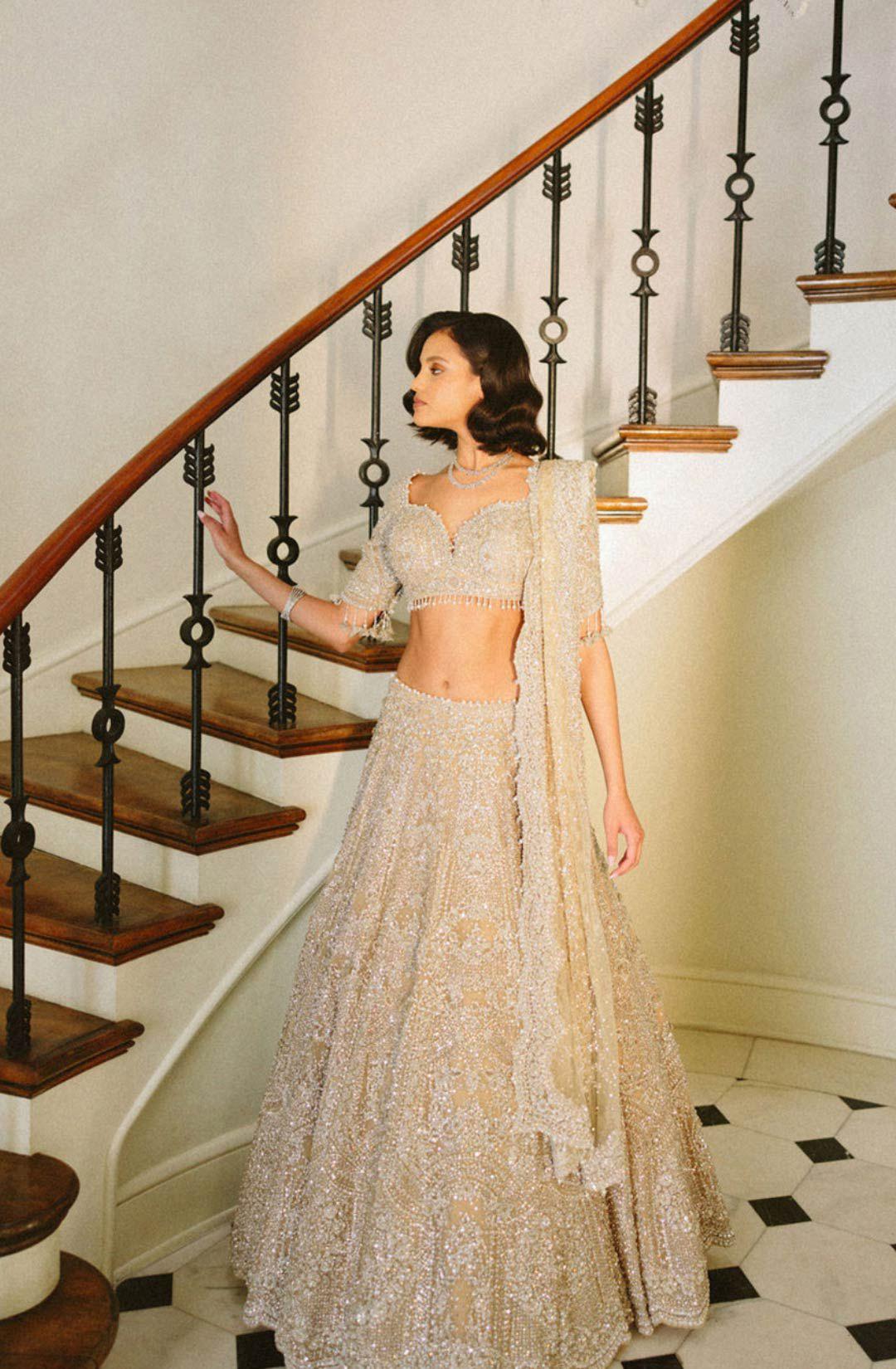
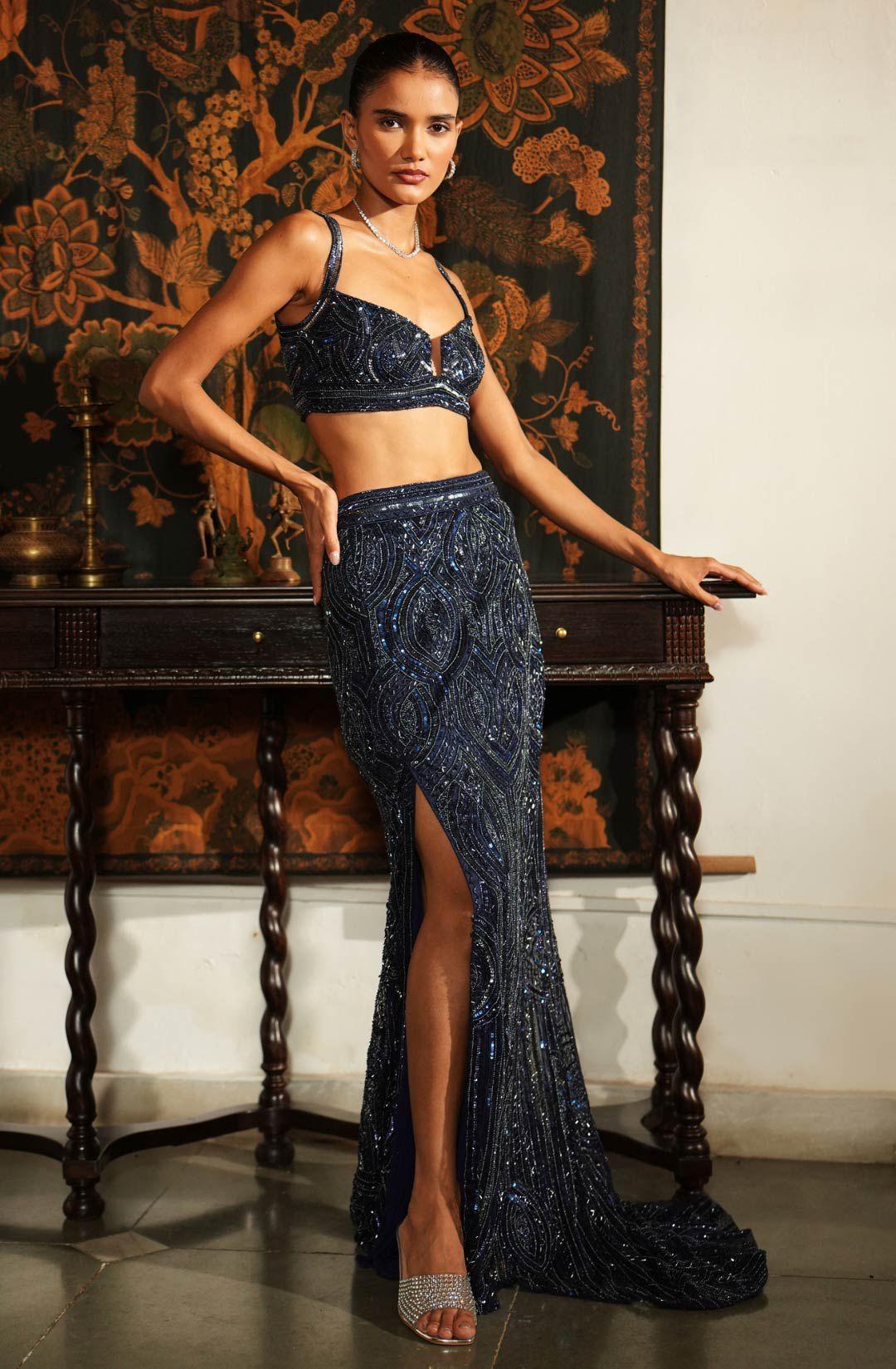
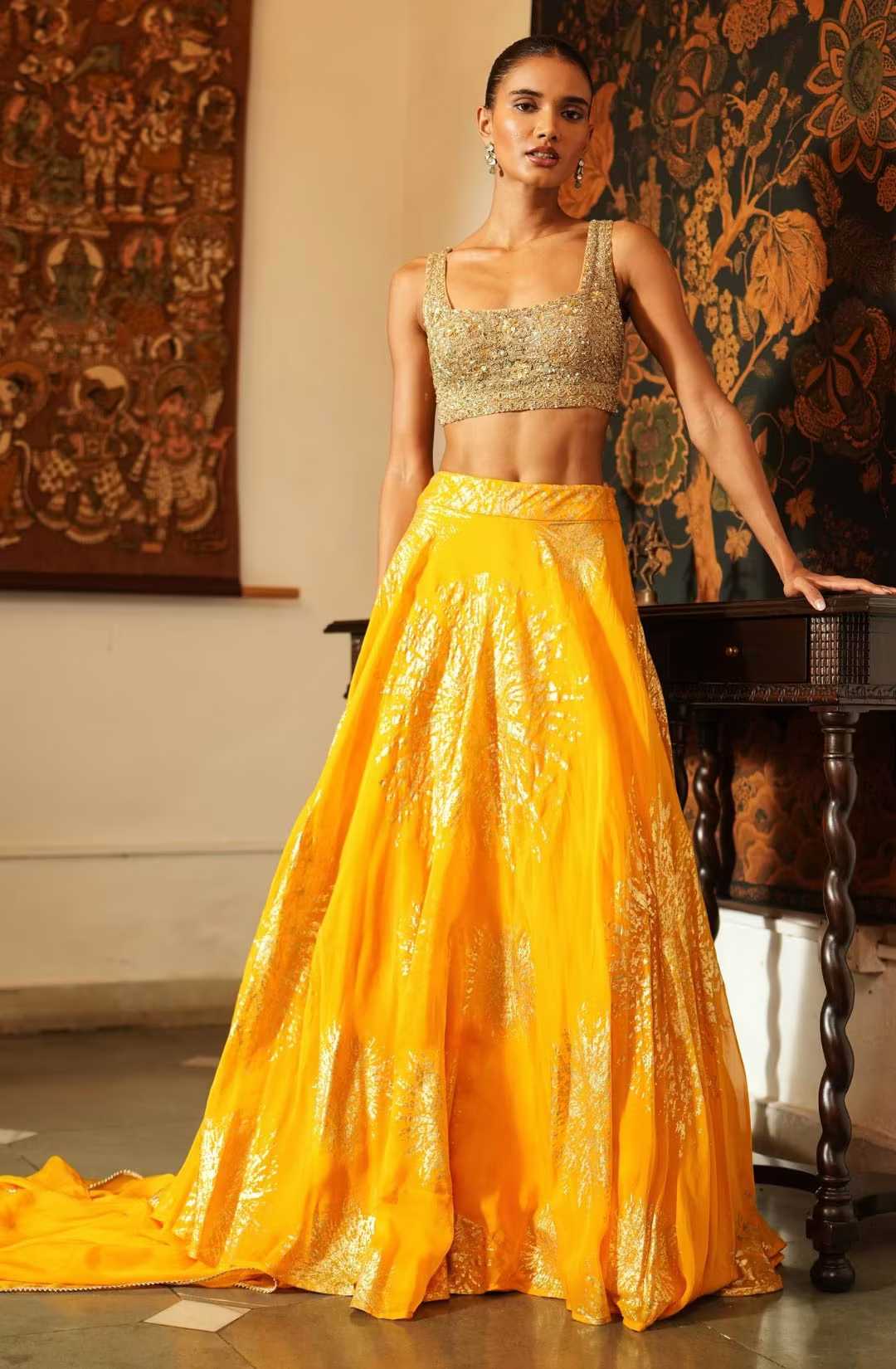
Lehengas give your bridesmaids that perfect festive look while offering comfort for dancing and celebrating. A-line cuts flatter most body types, while heavily embellished pieces work beautifully for evening ceremonies. Choose coordinating colors rather than identical outfits to create visual harmony without uniformity.
Modern lehenga designs include crop tops, off-shoulder blouses, and contemporary cuts that blend traditional silhouettes with current fashion trends. This makes them perfect for bridesmaids who want to honor tradition while feeling confident in modern styles.
Anarkali suits offer graceful movement and comfortable wear throughout long wedding celebrations. Floor-length styles create dramatic elegance for evening events, while shorter versions work perfectly for daytime ceremonies like mehendi or haldi.
The flowing silhouette flatters every body type, and the variety of necklines and sleeve options means each bridesmaid can choose details that make her feel confident and beautiful.
Fusion pieces bridge traditional and contemporary aesthetics, perfect for modern Indian weddings. Think gown-style ethnic wear with traditional embroidery, or palazzo pants paired with embellished capes for a fresh take on ceremonial dressing.
These styles work especially well for destination weddings or celebrations that blend cultural traditions, giving your bridesmaids sophisticated options that photograph beautifully.
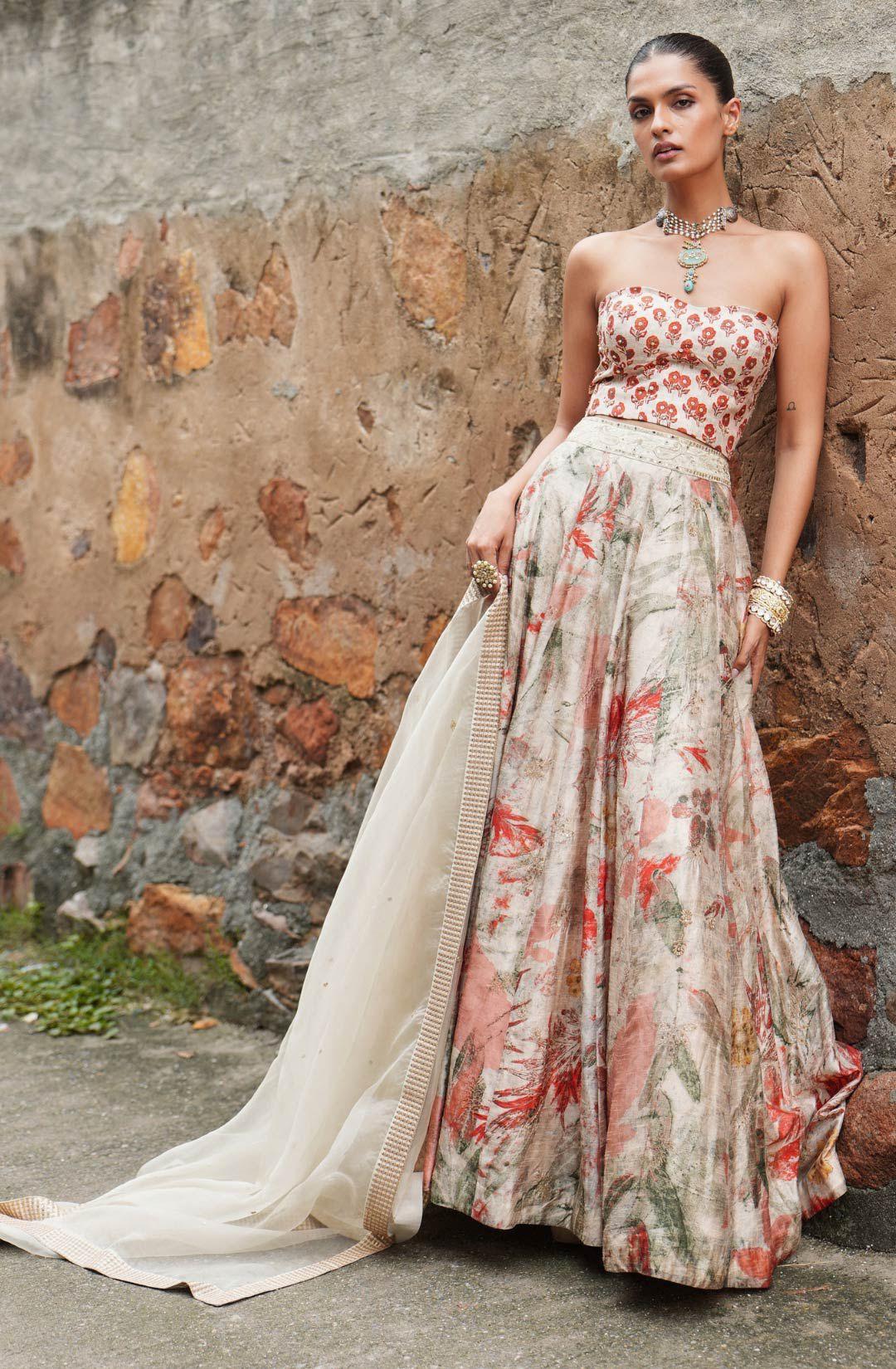
Sharara sets feature wide-legged pants that create beautiful movement, while gharara styles offer a more fitted silhouette through the thigh before flaring out. Both options provide comfort and traditional elegance, particularly popular in North Indian and Pakistani wedding traditions.
The flowing pants make these sets ideal for dancing and celebrating, while the coordinated dupattas add ceremonial significance to the overall look.
Mix-and-match kurti and skirt sets offer versatility and budget-friendly options for multiple wedding functions. Your bridesmaids can wear the pieces separately for other occasions, making this choice both practical and beautiful.
Choose embellished kurtis with flowing skirts for formal ceremonies, or opt for simpler combinations for daytime events like mehendi or morning prayers.
Pre-stitched sari gowns combine traditional draping with modern convenience. These pieces offer the elegant silhouette of a sari without requiring draping skills, perfect for bridesmaids who want traditional aesthetics with contemporary ease.
The structured fit photographs beautifully and allows comfortable movement throughout wedding festivities, making them ideal for destination celebrations or mixed cultural weddings.
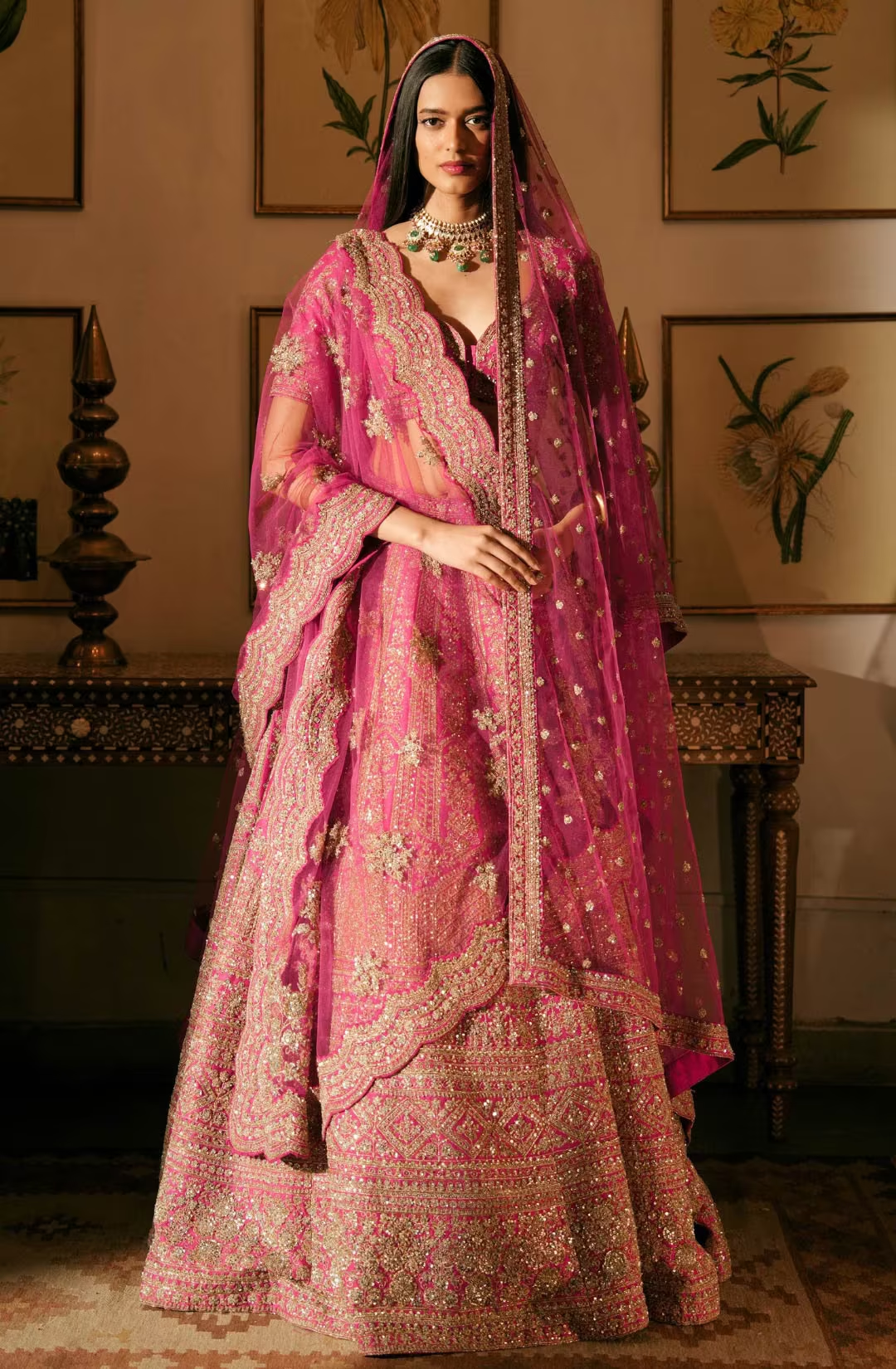
Traditional Indian weddings reserve certain colors for the bride, typically red, maroon, and bright pink for the main ceremony. Your bridesmaids should choose complementary shades that enhance rather than compete with your bridal outfit.
Jewel tones like emerald green, royal blue, deep purple, and golden yellow create stunning coordination. Pastels work beautifully for daytime functions, while metallics add glamour to evening celebrations. Consider your wedding's seasonal timing when selecting colors.
Pro Tip: Choose a color palette rather than identical shades. This creates visual harmony while allowing each bridesmaid to select the specific tone that flatters her best, whether that's a deeper emerald or lighter sage within your green family.
Indian weddings span multiple days and seasons, so fabric choice significantly impacts comfort and appearance. Summer celebrations call for breathable materials like cotton, chiffon, and georgette that allow air circulation during outdoor ceremonies.
Winter weddings can embrace luxurious fabrics like silk, velvet, and brocade that photograph beautifully and provide warmth during evening functions. Monsoon weddings require quick-drying fabrics and styles that won't be damaged by unexpected rain.
Consider the ceremony locations too. Outdoor mehendi functions need different fabric choices than indoor temple ceremonies or air-conditioned reception halls.
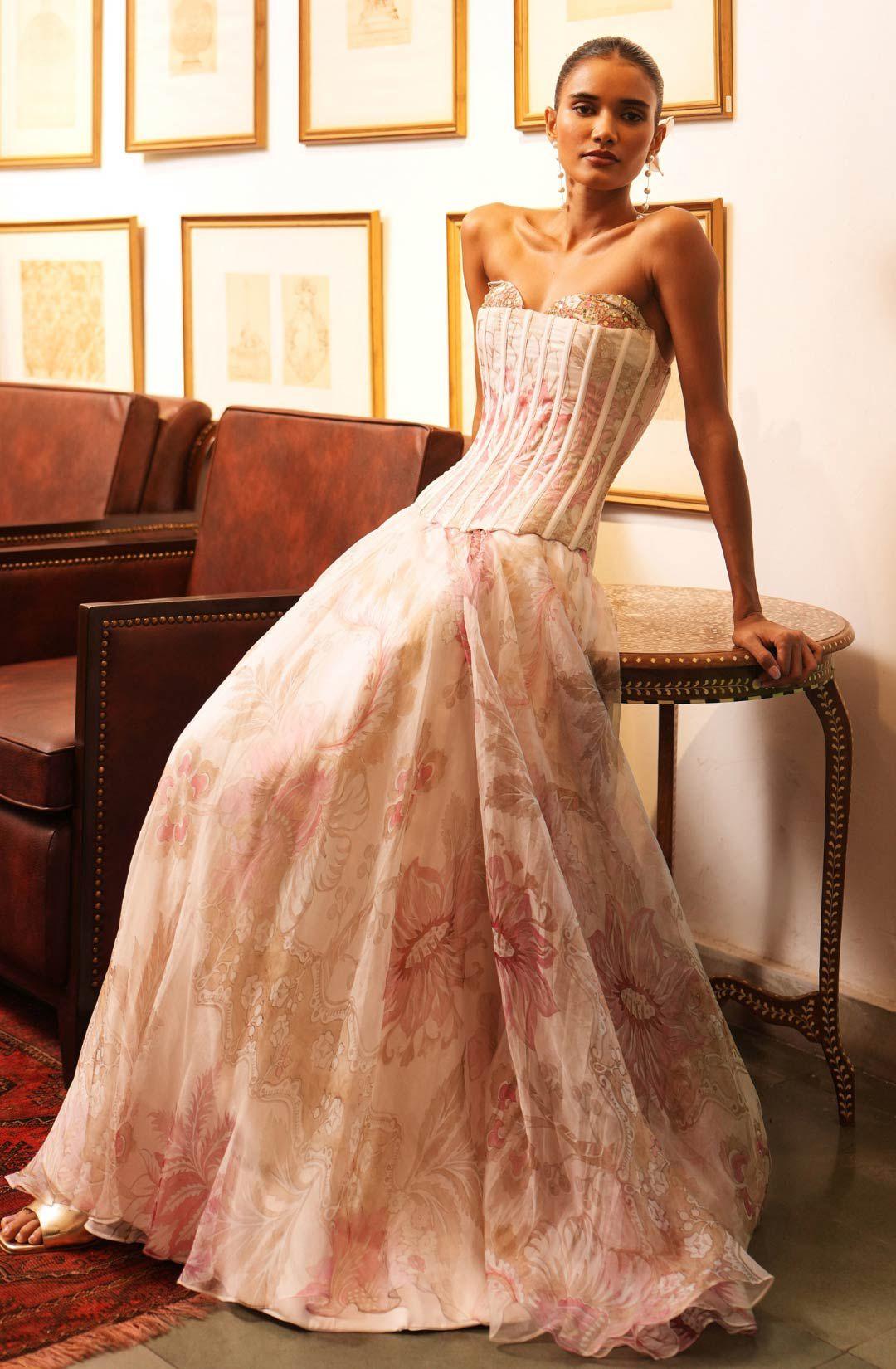
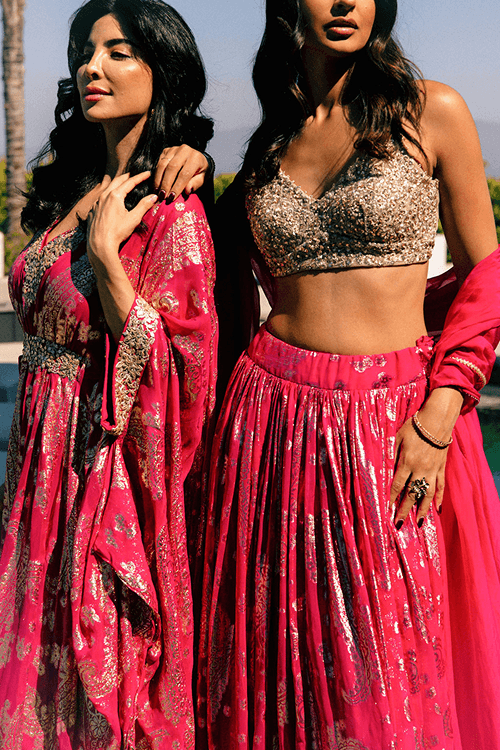
Mehendi ceremonies call for bright, comfortable outfits in yellow or green. Sangeet nights work well with heavily embellished pieces for dancing. Wedding ceremonies require more formal traditional wear, while receptions allow for glamorous fusion styles. Each ceremony has its own dress code and significance.
Budget ranges vary widely, from $200–500 for ready-to-wear pieces to $800–2000 for designer options. Consider the number of functions and whether outfits can be reworn. Many retailers, including David's Kynah collaboration, offer various price points to accommodate different budgets.
Absolutely. Wearing traditional Indian attire shows respect and participation in cultural celebration. Choose comfortable styles and consider professional draping help for saris. Focus on appropriate colors and modest coverage that aligns with ceremony requirements.
Order 8–12 weeks before the wedding for custom pieces, 4–6 weeks for ready-to-wear items requiring alterations. Indian wedding outfits often need multiple fittings, especially for traditional draping or custom embellishments.
Avoid red, maroon, and bright pink during the main wedding ceremony, as these are traditionally reserved for brides. White is generally acceptable, unlike Western traditions, but check with the family about regional preferences and specific ceremony requirements.
Choosing the perfect bridesmaid dress for an Indian wedding means balancing tradition with personal style, comfort with ceremony requirements, and individual preferences with coordinated aesthetics. Whether your bridesmaids choose classic saris, modern lehengas, or fusion pieces, the goal is celebrating your heritage while ensuring everyone feels confident and beautiful throughout your wedding festivities. The right outfit choices will create stunning photos and comfortable celebration experiences that honor both tradition and contemporary style.