Wedding Planning
•10 min read

Booking your wedding vendors should feel exciting—not like you're trying to dodge landmines on a tight deadline. But the truth is, the wrong contract or one too-good-to-be-true price can quietly cost you thousands of dollars and a whole lot of tears. We don't say that to scare you (we promise!)—we say it because a little knowledge upfront makes the whole process so much smoother.
In a recent episode of The Pre Nup podcast, host Adriana went deep on the vendor red flags every couple should know before signing anything. We pulled together her biggest takeaways—plus what to actually ask, what to look for, and what should make you slow your roll—into one cheat sheet you'll want to bookmark. (Watch the full episode at the bottom of this post when you're ready for the deep dive.)
Spoiler: trust your gut. But also, read on.
This one's non-negotiable. If a vendor is offering to do business without a contract—full stop, run. It does not matter how charming, how polished, or how recommended they are. Without something in writing, their word means absolutely nothing if anything goes sideways. New to the industry? Cool, they should still have a contract. Booked solid, beloved, and full of glowing reviews? Still need a contract. There are no exceptions.
A contract that just says "I'll show up on the day" is almost as useless as no contract at all. A real, professional contract is detailed and protects both you AND the vendor—everything from scope of services to delivery timelines to cancellation terms should be spelled out. Read it line by line, highlight anything confusing, and ask questions about every word you don't understand.
Pro Tip: if you don't have a lawyer in your back pocket, drop it into an AI tool to flag anything suspicious!
If a vendor is asking for the entire balance before they've lifted a finger? Big pause. Industry standard for an initial deposit is somewhere in the 20–50% range. Anything higher than that, you should be asking why—and they should have a real answer.
The exception: stationery vendors and some smaller mom-and-pop shops where the bulk of the cost is materials they need to order upfront. In those cases, a higher deposit (sometimes even 75% or full) is normal—but they should still walk you through the why. A photographer or DJ asking for 100% before they've shot a frame or spun a track? Hard pass.
Don't pay early. We know, we know—you want to get the money out of your account so you don't accidentally spend it on takeout. But most contracts make deposits nonrefundable AND nontransferable. If life happens between now and your wedding, paying early just makes you more financially vulnerable. Pay on the date it's due. Not before.
A vendor who only takes cash isn't automatically shady—but they should be able to explain why, and you should never, ever hand over cash without a receipt. Better yet: pay by credit card whenever you can. You'll rack up points (hello, honeymoon!) and you'll have a paper trail PLUS protection if the vendor doesn't deliver—your credit card company can often help you recover funds. Check is the next-best option. Cash is a last resort, and only with a documented receipt.
"This price is only good today."
"Someone else is looking at your date."
"We need an answer by tomorrow."
Nope. That's used-car-salesman energy, and it has no place in luxury wedding services. A real professional will respect your decision-making process. Yes, dates do get booked—venues especially can't hold a date forever, and sometimes the urgency is real. But if you're being squeezed into a yes you don't feel ready for, walk away. If it was meant to be, it'll work out. And honestly? Don't be too married to a specific date. You can celebrate your special anniversary on the actual date and still get married a few weekends later.
Here's a hard truth: the inquiry phase is when vendors are on their absolute best behavior. If they're already taking a week to respond to your initial questions, things are not going to magically improve once they have your deposit.
Industry standard for response time is 24–48 hours, Monday through Thursday. Give them a little grace Friday through Sunday—those are wedding days, and the one-person shops are working. If you email Friday night, don't expect a Saturday morning reply (and honestly, you wouldn't want your vendor distracted from another couple's big day, either—you'll want that same respect on yours). But if days turn into weeks of radio silence? That's your sign.
A good vendor has happy past clients on speed dial—people who would gladly hop on a call or text to gush about their experience. If they're hesitant to give you a single reference, that's a red flag.
When you do get a reference, actually call them. Ask things like: Did anything go wrong? How was it handled? How was their communication? Were they pleasant to be around all day? (You'll be spending 8+ hours with these people. You should genuinely like them.)
No reviews anywhere = not enough of a track record. All five-star reviews on every single platform = also kind of suspicious (sorry, but bots exist). Cross-reference Google, Pearl Planner, Yelp—wherever they're listed. Look for patterns. A truly great vendor with a real client base will have a mostly-glowing reputation with the occasional middle-of-the-road review mixed in. Anything that feels too curated probably is.

This one's such a tell. The wedding industry runs on relationships—real pros have a network of fellow vendors they can call in an emergency, swap referrals with, and play nicely alongside on the wedding day. A vendor who trash-talks other people in their space (or, worse, other vendors you're considering) isn't being "honest," they're being unprofessional. And if they aren't loyal to their community, they probably won't be loyal to you either.
Get 3–5 quotes per vendor category so you know what the median price actually looks like. If someone is dramatically over OR under that range, ask why. Sometimes the lower price is legit—a brand-new pro who's intentionally underpricing to build their book. That's fine, but they should be upfront about it AND they should have at least assisted on a wedding or two before yours.
The other reasons for a too-low price tend to be less fun: cutting corners, missing add-ons, or hidden fees that show up later. Get the full breakdown before you commit.
The flags above apply to every single vendor you'll talk to. But each category has its own quirks—here are the specific things to ask about and watch for.
Ask for a full price breakdown BEFORE you receive the contract. Once that paperwork hits your inbox, emotions are involved, family is excited, your dream date is on the line, and it's harder to negotiate clear-eyed. Get the itemized invoice—taxes, service charges, gratuity—so you know what you're working with.
If your venue has any outdoor element—ceremony, cocktail hour, or fully al fresco—you need a rain contingency plan. We mean it. Ask exactly what the backup looks like, whether you'll need to order a tent on standby, and whether you love it nearly as much as the sunny-day plan. Because surprise: weather is the one thing nobody can control on a wedding day.
Also ask: Is there a required or preferred vendor list, and why? Can you bring in your own dream photographer if needed? And—this one's huge—will yours be the only event at the venue that day? If not, what does the turnaround time between events look like? Less than three hours is a hard no.
Highlight reels are pretty, but you need to see full galleries. Anyone can land one perfect shot. You're hiring them for an entire day's worth of coverage. If they're hesitant to send full albums, dig into why.
Ask: Who specifically will be shooting your wedding (not just "someone from our team")? What backup equipment do they bring (because cameras and memory cards do fail)? And what's the delivery timeline for your gallery? Industry standard is 4–8 weeks. "When I get to it" is not an answer.
You should always have a tasting before booking—but expect to pay for it. (If caterers offered free tastings to every inquiry, they'd be feeding the world for free.) Ask if they have a pre-set tasting menu, what the cost is, and how it works.
In the contract, watch for any "final prices subject to change" language. Real food costs do fluctuate, and market-price items (think specialty seafood) can shift, but a professional caterer prices that volatility in. You should be locking in a per-person rate, not handing them a blank check.
Confirm what's actually included: setup, breakdown, dishware, glassware, utensils, and dietary accommodations (vegetarian, vegan, gluten-free, kosher-style). Get all of it in writing. And if you're advertising things like "gluten-free options" to guests, double-check whether it's a gluten-free option or a gluten-free kitchen—two very different things for someone with a serious allergy.
Every florist worth their salt offers an in-person mock-up before the wedding—not a Pinterest screenshot, an actual sample arrangement you can see and tweak. Plan on 1–3 mock-ups during the process.
Watch for "no substitution" clauses. Flowers are seasonal, weather-dependent, and sometimes wildly expensive to import out of season. There has to be a substitution policy, and your florist should walk you through it upfront so you're not blindsided later.
Bonus check: Will they visit your venue? If they've worked there before, fine. If not, they should be willing to do a walkthrough.
Your DJ or band should meet with you before the wedding (phone or video is fine—it doesn't have to be in person). They need to understand your vibe, your must-plays, your do-not-plays, your timeline, your honor dances, all of it. A vendor who insists they don't need a meeting because they "know what they're doing" doesn't actually know what YOU want.
Confirm whether the DJ is also handling MC duties (or bringing one)—you do NOT want an uncle volunteering himself after a few drinks. And ask what equipment they're bringing. You don't need to know the gear specs, but you do want to make sure they're showing up with more than a laptop and two speakers.
Yes, you should do a trial. No, you shouldn't expect it to be free—same reasoning as the catering tasting. Pay for the trial, see how the artist listens to your skin, your face shape, and your direction, and use that as your booking decision.
Real talk: pay attention to the bridesmaid energy. Some hair and makeup artists are wonderful with the entire wedding party; some get visibly annoyed when a bridesmaid asks for an adjustment. Anyone paying for a service has the right to ask for tweaks. Read reviews, ask references about how the artist treated the bridal party, and trust your gut on the vibe.
Even if you don't hire a full planner, you absolutely need a day-of coordinator. But here's the catch: a real "day-of" coordinator actually starts working with you 1–2 months out. They're on email chains, they know your timeline, they've coordinated with all your vendors, and they show up on the wedding day already knowing every single detail.
If you've booked someone billed as a day-of coordinator and they've gone radio silent in the lead-up to your wedding? Big problem. Also ask any planner or coordinator how many weddings they've actually done. Experience matters.
Once you have an actual contract in hand, read every word. Highlight anything you don't understand. Ask. Then ask again. These are the clauses that warrant extra scrutiny:
If you can't get your deposit back when YOU cancel, fair enough. But what happens if THE VENDOR cancels on you? That clause should be in there too, and the protections should run both ways.
Hard no. That's basically asking you to pay for a service the vendor isn't promising to deliver. No good vendor includes this in their contract.
After the last few years, every contract should have one. This is the clause that covers what happens in the event of state emergencies, pandemics, or natural disasters. Look for what the rebooking rules are—will you get a comparable date (Saturday for Saturday, peak-season for peak-season)?
Service fees usually go to admin, insurance, and overhead—NOT to the staff. Gratuity is the staff tip. If both are listed on your contract, ask exactly what each one covers so you know whether your servers are actually being taken care of.
Know exactly what overtime costs and what counts as overtime BEFORE you sign. Going thirty minutes over for cleanup—is that billable? Get the answer in writing.
Yes, these exist. No, you shouldn't sign one. If a vendor's negligence causes a problem on your wedding day, they should be on the hook for it, not you.
Some contracts will literally prevent you from leaving an honest negative review. If you have a bad experience, you'd be silenced—and potentially exposed to litigation if you spoke up. Look for it and decide if you're comfortable signing.
The right vendors will make you feel excited, taken care of, and like the smartest version of yourself. They'll answer your questions without making you feel silly. They'll put their promises in writing. And they'll never, ever pressure you into a decision before you're ready.
Take every contract home. Sleep on it. Ask for changes if something doesn't sit right (every contract can be amended!). Read every word. Get every verbal promise in writing. And really, truly, trust your gut—if something feels off during the consultation, it probably is.
For an even more thorough breakdown—including more questions to ask each vendor type—the full episode of The Pre Nup with Adriana is below. Press play, take notes, and save it for later.
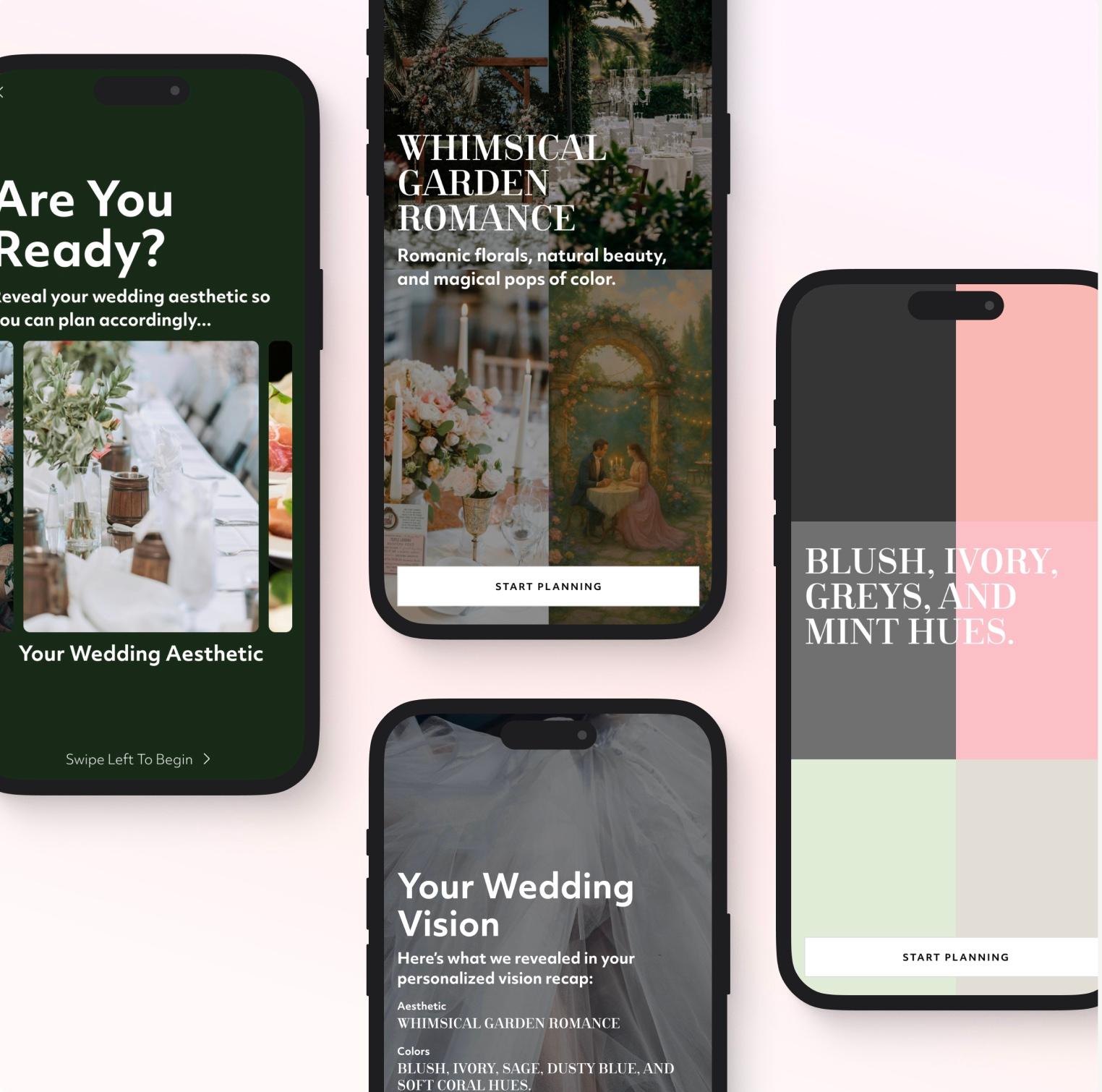
Ready to start booking your dream team? Pearl Planner by David's makes vendor research a whole lot easier—browse curated local vendors, save your favorites to your vision board, and keep all your contracts and contacts in one place. Sign up for Pearl Planner today and start planning your big day with the confidence you deserve.