Wedding Planning
•03 min read
Choosing a wedding venue sets the foundation for your entire celebration. With hundreds of options and varying price points, venue selection can feel overwhelming when you're trying to balance your vision with practical considerations. Here's how to approach this decision systematically, so you can move forward with confidence.
Before you fall in love with any venue, establish two non-negotiables: your budget and guest count. These numbers will guide every decision that follows.
Wedding venue cost typically includes the rental fee, but many venues offer all-inclusive packages. Ask about service fees, overtime charges, and setup costs upfront. A general guideline suggests allocating about 40–50% of your total wedding budget to venue and catering combined.
Some venues charge per person, while others have flat rental fees. Factor in whether tables, chairs, linens, and basic lighting are included or if you'll need to rent these separately.
Your guest count directly impacts which venues will work. Small wedding venues under 50 guests offer intimacy but may have limited availability—and most times won't allow Saturdays. Larger spaces give you flexibility but can feel empty if your guest list is smaller than expected.
Build in a 10% buffer for last-minute additions or changes. If you're torn between two guest counts, choose venues that can accommodate the higher number comfortably.
Once you know your numbers, focus on the factors that will impact your guests' experience and your planning process.
Consider how far guests will travel and whether the venue is easy to find. If you're having your ceremony and reception at different locations, factor in travel time between sites.
Check parking availability and public transportation options. For outdoor wedding venues, confirm backup plans for weather and accessibility for guests with mobility needs.
Your venue should reflect your vision without requiring major transformation. Rustic wedding venues work beautifully for couples wanting natural charm, while modern spaces suit contemporary celebrations.
Unique wedding venues like museums or historic buildings offer character but may have restrictions on decorations or vendors. Consider how much styling you want to do versus choosing a space that already feels right.
Pro Tip
Visit venues at the same time of day as your planned event. Lighting changes dramatically throughout the day, and you want to see how the space will actually look during your celebration.
Bring these questions to every venue tour to ensure you're comparing options fairly.
Confirm availability for your preferred dates and ask about pricing for different days of the week. Many venues offer significant discounts for Friday or Sunday weddings.
Ask about vendor restrictions, catering requirements, and alcohol policies. Some venues require you to use their preferred vendors, which can limit your options or increase costs.
Pay attention to the flow between spaces. Can guests move easily from cocktail hour to dinner? Is there adequate space for dancing?
Check the bridal party preparation areas, restroom facilities, and storage for personal items. Ask about setup and breakdown timelines, especially if you're planning DIY elements.
Create a simple scoring system for your top venues. Rate each location on your most important factors: budget fit, guest experience, style match, and logistical ease.

Consider non-traditional spaces like community centers, restaurant private rooms, or parks and recreation facilities. These affordable wedding venues often provide excellent value while offering unique character.
Museums, galleries, and working farms can serve as unique wedding venues that give you distinctive photos and memorable experiences without premium venue pricing.
Be cautious of venues with poor communication, hidden fees, or inflexible policies. If the venue coordinator seems overwhelmed or unresponsive during the booking process, this likely reflects how they'll handle your wedding day.
Trust your instincts about the space and staff. You'll be working closely with the venue team, so choose people who make you feel confident and supported.
Popular venues and peak season dates typically book 12–18 months ahead. If you're flexible with dates or considering off-season timing, 6–9 months can be sufficient for many venues.
Focus on logistics: setup times, vendor restrictions, weather backup plans, and what's included in your rental fee. Ask to see the space set up for an event similar to yours if possible.
Calculate the total cost per guest including all fees, required vendors, and additional rentals. This gives you a clearer comparison than just the base venue fee.
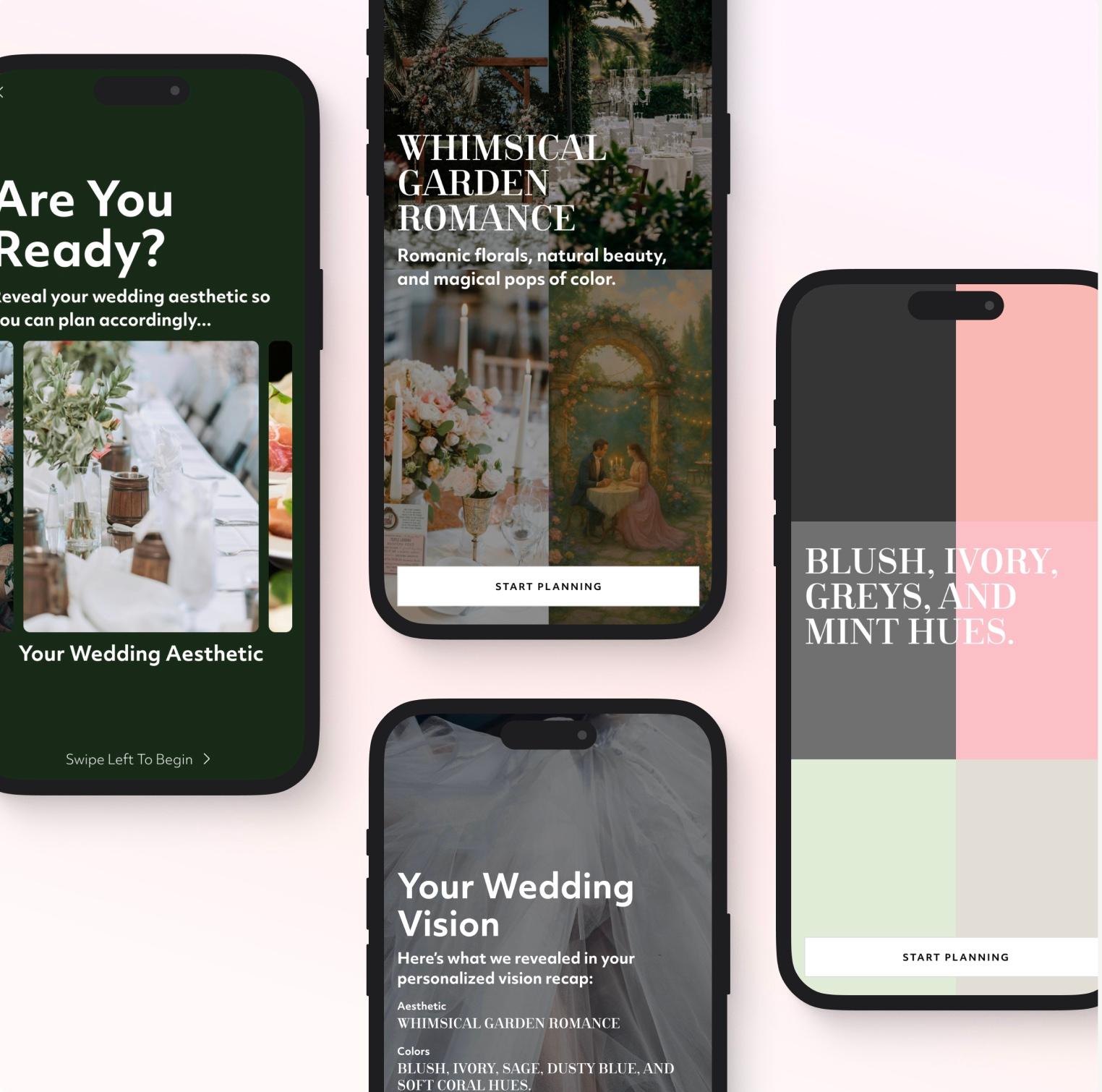
Pearl Planner can centralize your venue research, track your spending, and organize comparison notes in one place. The platform helps you stay organized throughout the selection process and connects to your overall wedding timeline. It's wedding planning powered by AI, fueled by love.
Choosing your wedding venue becomes manageable when you approach it systematically. Start with your budget and guest count, visit venues with specific questions, and trust your instincts about the space and team. Pearl Planner can help you organize your research and keep track of important details as you make this important decision.