Ultimate Backyard Wedding Planning Checklist
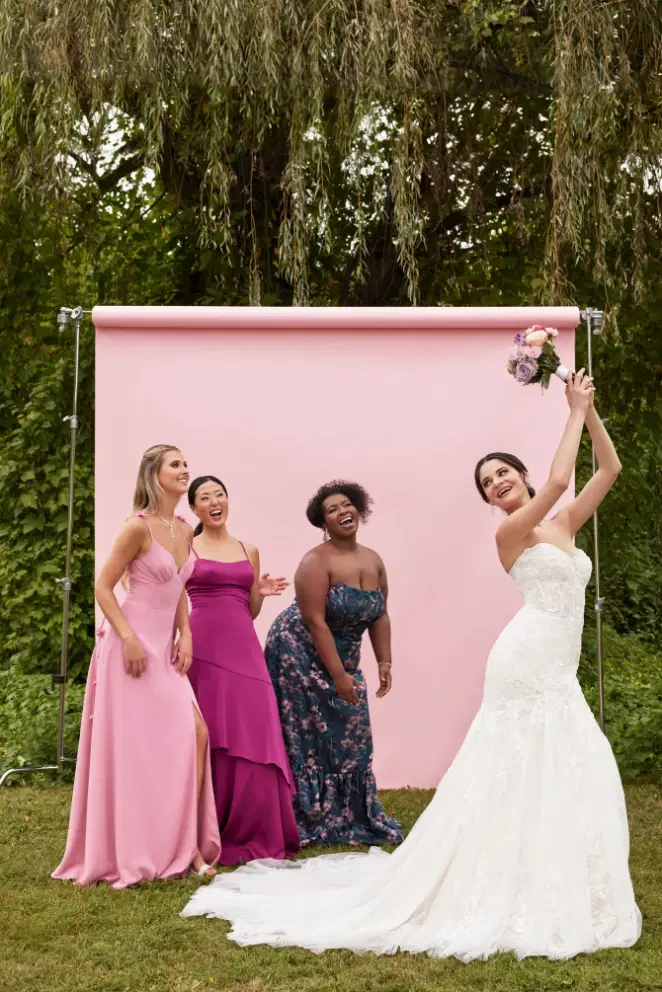

Picture this: saying "I do" surrounded by the roses you planted together, dancing under stars that have watched your love story unfold, and celebrating with your closest family and friends in the place that feels most like home. A backyard wedding isn't just a venue choice—it's a canvas for creating the most personal, intimate celebration of your love story.
Whether you're dreaming of a rustic garden party or an elegant outdoor soirée, transforming your backyard into a wedding wonderland is more achievable than you might think. With the right planning, creative touches, and this comprehensive checklist, you'll discover how to craft a celebration that's uniquely yours while staying within budget. (Save this. Send it to your partner. Add it to your Vision Board. We'll wait.)
To plan a backyard wedding, start 8–12 months ahead and work through five major buckets: permits and infrastructure (noise permits, temporary structure permits, parking plans), rentals (tents, tables, chairs, restrooms, generator if needed), space planning (allow 8–10 sq ft per person for ceremony, 12–15 sq ft per person for dining), vendor coordination (rentals first, then catering and photography), and weather contingency planning. Backyard weddings can save 30–50% on venue costs (skip the $3,000–15,000 venue fee), but rentals and infrastructure add up, so plan a full budget upfront. Use the timeline and checklist below to walk through every step in order.
Backyard weddings offer something truly special that traditional venues simply can't match—the comfort of home combined with endless personalization possibilities. When you choose your own backyard or a loved one's property, you're not just selecting a location. You're weaving your personal history into your wedding day. We're obsessed with that energy.
Cost savings often top the list of benefits. Without venue rental fees that can range from $3,000 to $15,000, couples can redirect their budget toward the elements that actually matter to them. (Photographer upgrades. The honeymoon. Better wine. We don't judge.) However, factor in rental costs for tents, tables, chairs, and restrooms—they can add up quickly, and we'll walk through every line item below.
The sentimental value of celebrating where memories were made creates an emotional depth guests will remember forever. Plus, you have a lot more control over timing, décor, and atmosphere than you would at a traditional venue. (Quick caveat: most jurisdictions still have noise ordinances and end-of-night cutoff times for residential properties—check yours before promising the band a 2 a.m. set.)
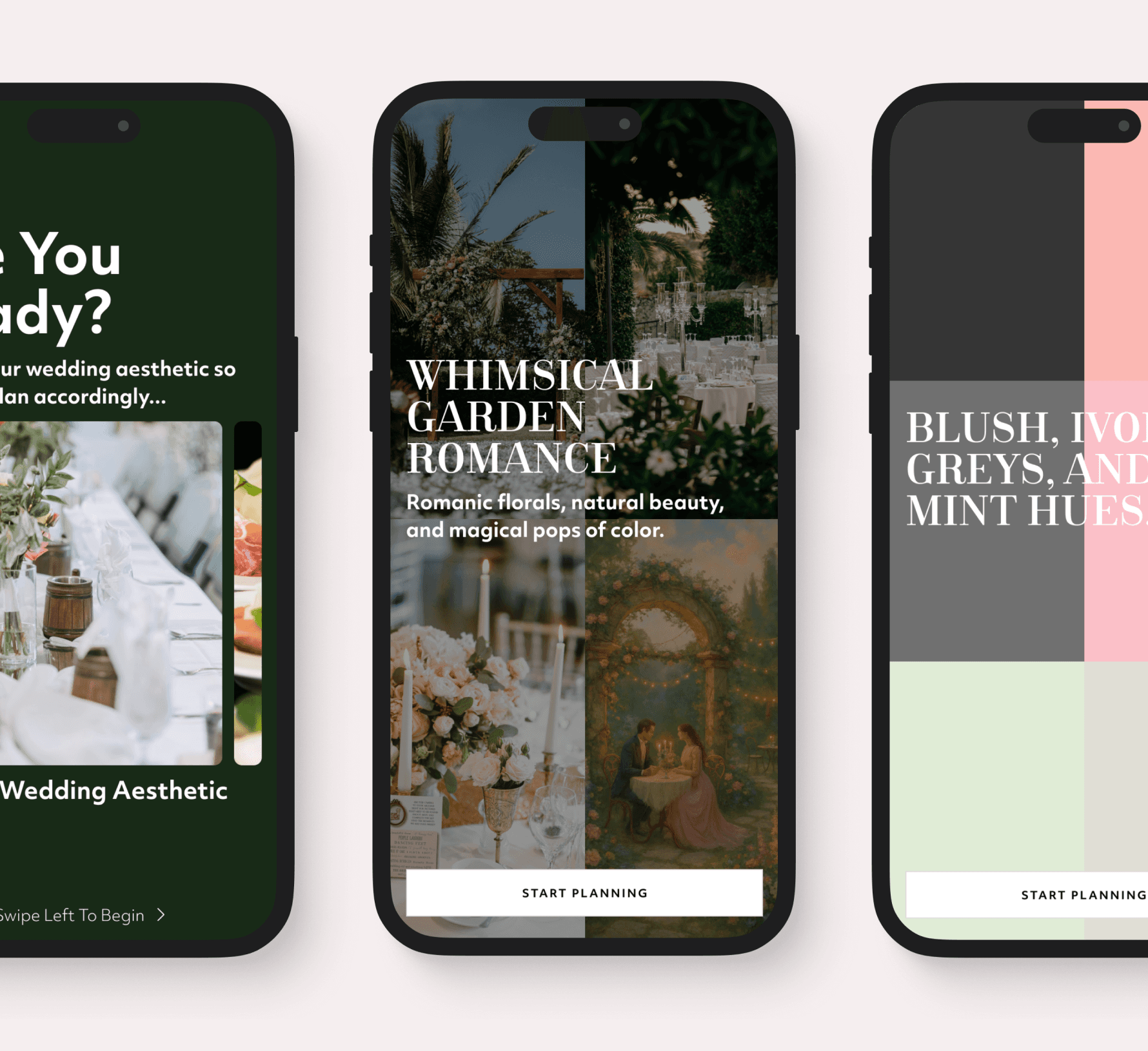
Pro Tip: Start planning 8–12 months ahead for backyard weddings. While you skip the venue-booking competition, you'll need extra time for permits, utility planning, and coordinating multiple vendors who aren't used to working in residential spaces. Pearl Planner by David's is a free planning hub that holds your full backyard-wedding checklist, vendor contacts, and timeline in one place—genuinely built for this exact moment.
Success lies in the details, and timing is everything when orchestrating outdoor wedding ideas. This timeline ensures nothing falls through the cracks while keeping stress levels manageable.
Guest list and space assessment come first. Walk your space with your final headcount in mind—allow 8-10 square feet per person for ceremony seating and 12-15 square feet per person for reception dining. Consider sight lines, natural focal points, and guest flow patterns.
Permit research varies by location but often includes noise permits, temporary structure permits, and parking considerations. Contact your local city hall early—some permits take 4-6 weeks to process.
Vendor booking priorities should focus on rentals first (tents, tables, chairs), followed by catering and photography. Many vendors charge extra for residential deliveries and setup.
Rental reservations become critical now. Confirm delivery times, setup requirements, and pickup schedules. Ask about ground protection for heavy items and whether vendors provide their own power sources.
Landscaping and yard preparation might include lawn treatments, garden bed refreshing, or tree trimming for better lighting and space. Consider hiring professionals for major work—you'll want to focus on wedding details closer to the date.
Neighbor notifications show courtesy and prevent potential issues. Share your celebration date, expected noise levels, and parking plans. Many neighbors appreciate the heads-up and might even offer their driveways for guest parking.
Final headcount and seating arrangements determine your exact rental needs and help create a detailed floor plan. Map out ceremony seating, cocktail hour flow, and reception table placement.
Weather backup plan activation means confirming tent rentals, indoor space alternatives, and guest communication methods. Have a decision-making timeline ready—typically 24-48 hours before the event.
The beauty of DIY wedding decorations lies in creating something that reflects your personality while working within your budget. Your backyard already has natural charm—these ideas enhance rather than mask its inherent beauty.
String lights transform any space into a romantic wonderland. Hang them between trees, along fence lines, or create a canopy effect over dining areas. LED options stay cool and use less power—important when working with limited electrical access.
Lanterns and candles add warmth and intimacy. Mix heights and styles for visual interest, but always use battery-operated candles in windy conditions. Mason jar luminaries filled with fairy lights create charming rustic wedding themes without fire hazards.
Solar-powered options eliminate electrical concerns while supporting eco-friendly celebrations. Solar stake lights can line pathways, while solar string lights charge during the day and automatically illuminate at dusk.
Garden wedding flower selection should complement your existing landscape. If you have established flower beds, design arrangements that echo those colors and textures. This creates cohesion and reduces costs.
Repurposing existing landscaping means working with what you have. Tie ribbons around tree trunks, add fairy lights to shrubs, or create ceremony backdrops using established garden features.
Budget-friendly centerpiece ideas include potted herbs guests can take home, wildflower bouquets in vintage bottles, or floating candles in glass bowls filled with garden blooms.
Natural arch alternatives might include existing garden arbors, large trees with flowing fabric, or even a simple backdrop of your home's architecture. Sometimes the most beautiful ceremonies happen with minimal decoration.
Fabric and drapery installations can transform ordinary spaces into something magical. Flowing white fabric between trees creates an ethereal effect, while colorful bunting adds festive charm to casual wedding receptions.
Successful outdoor wedding ideas require thoughtful space planning that considers both aesthetics and practicality. Your goal is creating distinct areas that flow naturally while accommodating all celebration activities.

Ceremony space optimization should consider sun angles, wind patterns, and acoustics. Position seating so guests aren't squinting into sunlight, and ensure your officiant's voice carries naturally or plan for amplification.
Cocktail hour lounge areas work best in shaded spots with easy access to refreshments. Create conversation clusters using rental furniture or repurpose patio furniture with fresh cushions and throws.
Dance floor placement and sizing requires level ground and proximity to power sources for music equipment. A 12x12 foot dance floor accommodates 30-40 guests comfortably, while 16x16 feet works for 50-60 guests.
Entrance and exit pathways should be clearly marked and well-lit for safety. Consider the journey from parking to ceremony to reception—eliminate bottlenecks and create intuitive traffic patterns.
Bar and buffet positioning works best when accessible from multiple directions to prevent long lines. Position bars away from the dance floor to reduce congestion and noise conflicts.
The magic happens when guests never notice the careful planning that makes everything work seamlessly. These practical considerations ensure your small wedding ideas translate into flawless execution.
Electrical needs assessment should account for lighting, music equipment, catering appliances, and charging stations. Most homes can handle basic needs, but large events might require generator rentals.
Generator rental considerations include noise levels, fuel requirements, and placement away from guest areas. Quiet inverter generators work best for residential celebrations.
Water access for catering becomes crucial for food preparation and cleanup. Ensure vendors can access kitchen facilities or plan for additional water sources near food service areas.
Guest parking solutions might include street parking, neighbor agreements, or shuttle services from nearby lots. Create a parking map for out-of-town guests and consider hiring traffic attendants for larger celebrations.
Accessibility accommodations ensure all guests can participate comfortably. This might mean temporary ramps, accessible restroom rentals, or reserved parking spots close to the celebration area.
Portable restroom rental guide suggests one unit per 50 guests for events under 4 hours, or one per 35 guests for longer celebrations. Position units away from food service but easily accessible.
Luxury upgrade options include restroom trailers with running water, mirrors, and climate control. These feel more like indoor facilities and enhance guest comfort significantly.
Casual wedding reception menus can be just as memorable as formal dining—often more so because they encourage mingling and create a relaxed atmosphere that reflects your personality.
Family-style serving strategies encourage conversation and create a warm, communal feeling. Large platters and shared sides make guests feel like they're at a beloved family gathering.
Dietary restriction accommodations are easier with customizable options like taco bars, burger stations, or build-your-own salad setups. Label ingredients clearly and provide separate serving utensils.
Self-serve station setup reduces staffing costs while giving guests control over their dining experience. Create clear flow patterns and replenish stations regularly throughout the event.
Mother Nature doesn't always cooperate, but smart planning ensures your affordable wedding ideas work rain or shine. The key is having backup plans that feel intentional rather than last-minute.
Tent and shelter options range from simple pop-up canopies to elegant pole tents with sidewalls. Calculate 8-10 square feet per guest for dining under cover, and consider flooring for comfort and stability.
Backup plan essentials should include indoor space alternatives, quick transition strategies, and clear guest communication protocols. Designate someone to make weather-related decisions so you can focus on enjoying your day.
Backyard weddings can save 30-50% on venue costs, but factor in rental expenses for tents, tables, chairs, restrooms, and generators. Total savings depend on your guest count and desired amenities, but most couples save significantly while gaining complete creative control.
A quarter-acre lot typically accommodates 75-100 guests comfortably, including ceremony and reception space. Measure your usable area and allow 8-10 square feet per person for ceremony seating and 12-15 square feet per person for dining.
Requirements vary by location but often include noise permits, temporary structure permits for tents, and parking permits if using street spaces. Contact your local city hall 2-3 months ahead to understand specific requirements and processing times.
Late spring through early fall offers the most reliable weather, with May, June, September, and October being most popular. Consider your local climate patterns, seasonal allergies, and holiday conflicts when choosing your date.
Rent portable facilities if your home's restrooms can't accommodate guest volume—plan one unit per 50 guests for events under 4 hours. Luxury restroom trailers offer a more elegant solution and include amenities like running water and climate control.
Your backyard wedding represents more than a venue choice—it's a celebration of your love story in the place that feels most like home. With thoughtful planning, creative touches, and attention to practical details, you'll create a day that's uniquely yours while staying true to your budget and vision.
From intimate garden ceremonies to lively reception celebrations, your backyard offers endless possibilities for creating magical moments. Remember that the most beautiful weddings aren't about perfection—they're about love, joy, and the people who matter most sharing in your happiness. Let your personality shine through every detail, and your guests will remember not just how beautiful everything looked, but how wonderful everything felt.