Wedding Planning
•06 min read

Writing wedding vows can sometimes feel impossible. You can feel just how much you love your partner, but when it comes time to capture all that love in just a few minutes of written word, the pressure to create something perfect, meaningful, and memorable often leaves couples staring at blank pages. Here's exactly how to write vows that truly reflect your unique relationship and create a moment you'll both treasure forever.
Personal vows transform your ceremony from a formal exchange into an intimate conversation. When you share your own words, you're not just making promises. You're telling your love story in front of the people who matter most.
Custom vows strengthen your bond before you even say "I do." The process of reflecting on your relationship, choosing specific promises, and putting your feelings into words deepens your understanding of each other. Many couples find that writing vows helps them clarify what marriage means to them personally.
Traditional vows are beautiful, but they speak in general terms. Your vows can reference the Tuesday morning over coffee when you knew they were the one, or the way they can always make you laugh during stressful moments. It's these specific details create emotional moments that generic language simply can't match.
Start brainstorming six to eight weeks before your wedding. This gives you time to reflect, not rush. Aim to complete your first draft four weeks before the big day, then spend the following weeks refining and practicing.
Finish your final version one week before your wedding. This timeline prevents last-minute panic while ensuring your vows feel fresh and authentic when you deliver them.
Coordinate with your partner on tone and length before you start writing. Decide whether you want romantic, humorous, or deeply serious vows. Agree on timing so one person doesn't speak for five minutes while the other shares thirty seconds.
Gather inspiration by looking through photos, reading old texts, or revisiting places that matter to your relationship. Create a quiet writing space where you can focus without distractions. Keep a notebook or phone nearby to capture thoughts as they come.
Pro Tip
Set a timer for 15 minutes and write continuously about why you love your partner. Don't worry about structure or perfect sentences. This brain dump often contains the most authentic material for your vows.
Start with their name or a meaningful nickname that feels natural to you. Avoid overly formal language or super intimate inside jokes unless that matches your relationship style. A simple "Sarah" or "My love" works better than elaborate titles.
Choose one or two specific moments that capture your relationship's essence. Maybe it's how you met, the first time you cried together, or when you realized you wanted to build a life with one another. Focus on details that make your story uniquely yours.
Highlight specific qualities rather than general statements. Instead of "you're kind," try "you always remember to ask about my mom's doctor appointments." These concrete examples create more emotional impact and show you truly see them.
Make realistic commitments you can actually keep. Promise to support their dreams, choose them every day, or always make time for date nights. Avoid promises like "I'll never be grumpy" that set you up for failure.
Share what you're excited to build together. This might include travel plans, family hopes, or simply growing old together. Keep this section brief but meaningful.
End with a powerful statement that brings your vows full circle. This could connect back to your opening or summarize your commitment in one memorable sentence.
Romantic vows focus on deep emotional connection and poetic language. They might reference how your partner makes you feel or the way love has transformed your life. Use imagery and metaphors that resonate with your relationship.
Example opening: "From the moment we met, you've been my safe harbor in every storm and my greatest adventure all at once."
Funny vows incorporate your silly inside jokes and lighthearted moments while maintaining sincerity. Balance humor with genuine emotion so your vows don't become a comedy routine. The goal is to make people smile, not laugh throughout your entire ceremony.
Example promise: "I vow to always let you have the last slice of pizza, even when I really want it, because that's what true love looks like."
Creative vows might follow unconventional structures like letters, poems, or songs. Some couples incorporate cultural traditions or reference shared hobbies. The key is ensuring your creativity serves your message rather than overshadowing it.
Aim for one to two minutes when spoken aloud, which translates to roughly 250 to 300 words written. Longer vows lose impact and test your guests' attention. Shorter vows might feel rushed or incomplete.
Practice reading your vows aloud to check timing. If you speak quickly when nervous, your vows might run shorter than expected on your wedding day.
Skip overly personal details that might make guests uncomfortable. Your wedding isn't the place to air relationship struggles or share intimate secrets. Focus on positive aspects of your relationship and future together.
Avoid making promises you can't realistically keep. Don't vow to never disagree or always be perfect. Instead, promise to work through challenges together or choose love even during difficult times.
Decide whether to memorize or read your vows based on your comfort level. Reading ensures you don't forget important parts, while memorizing creates more eye contact. Either choice works if you practice enough.
Prepare for emotions by practicing with tissues nearby. It's perfectly normal to cry during your vows. Take your time and breathe if you need a moment.

Write in your natural speaking style rather than trying to sound like someone else. If you're naturally funny, include humor. If you're more serious, embrace that tone. Authenticity resonates more than perfect prose.
Read your vows aloud as you write to ensure they sound like you. If a phrase feels awkward to say, it will sound awkward to your guests.
Limit yourself to two or three drafts maximum. Over-editing can strip away the natural emotion that makes vows powerful. Focus on clarity and flow rather than perfection.
Ask a trusted friend to listen to your vows and provide feedback. They can catch unclear sections or suggest areas that need more detail.
Practice reading your vows several times before your wedding day. This helps with timing and builds confidence. Practice in front of a mirror or with a friend to get comfortable with the words. You don't have to memorize by any means, but having the correct flow in your mind is a huge help.
Bring a backup copy of your vows in case you lose the original. Consider having your officiant or a member of your wedding party hold copies as well.
Begin by setting aside quiet time to reflect on your relationship journey. Think about favorite memories, what you love most about your partner, and what marriage means to you. Start with a brain dump of thoughts before organizing them into structure.
Effective vows include a personal greeting, specific memories that capture your relationship, genuine appreciation for your partner's qualities, realistic promises for your future together, and a meaningful conclusion. They typically run 250 to 300 words.
The best vows balance both humor and sincerity based on your personality and relationship style. Include lighthearted moments if they feel natural, but maintain the sacred nature of your promises. Coordinate with your partner on overall tone.
Aim for one to two minutes when spoken aloud, which equals approximately 250 to 300 words written. This length keeps guests engaged while giving you enough time to express meaningful sentiments without overwhelming the moment.
Pearl Planner can help you organize your vow writing timeline alongside other wedding tasks. The platform's AI assistance can provide guidance on structuring your thoughts and keeping track of drafts as you refine your vows.
Writing wedding vows that truly speak love comes down to authenticity, preparation, and practice. Focus on your unique story, make realistic promises, and speak from your heart. Your vows don't need to be perfect to be powerful. When you share genuine words about your love and commitment, you create a moment that will resonate long after your wedding day ends.
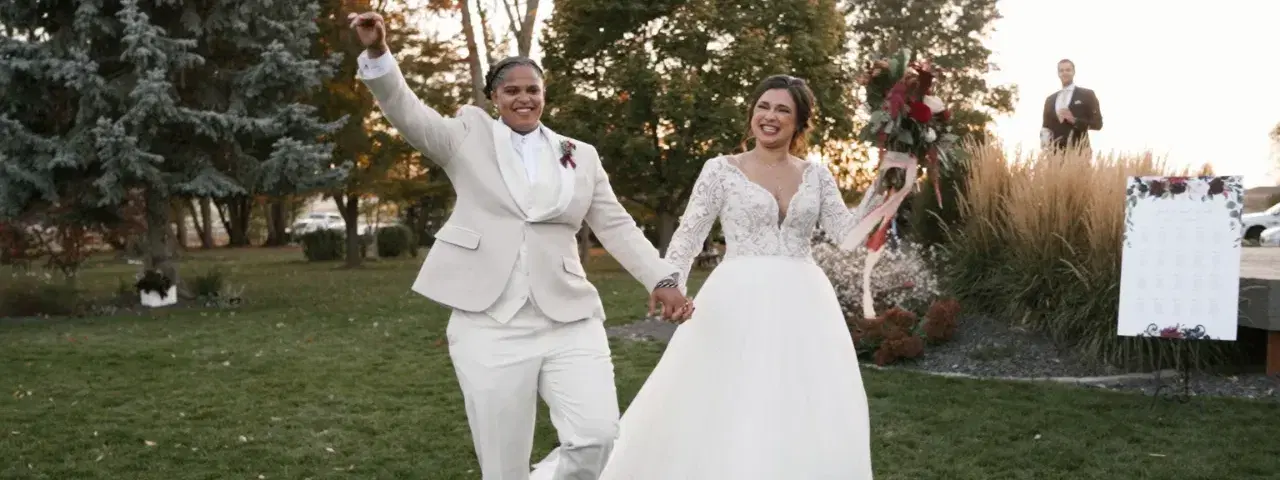
See how powerful heartfelt words can be—press play on this stunning vow moment.