How Does a Courthouse Wedding Actually Work?
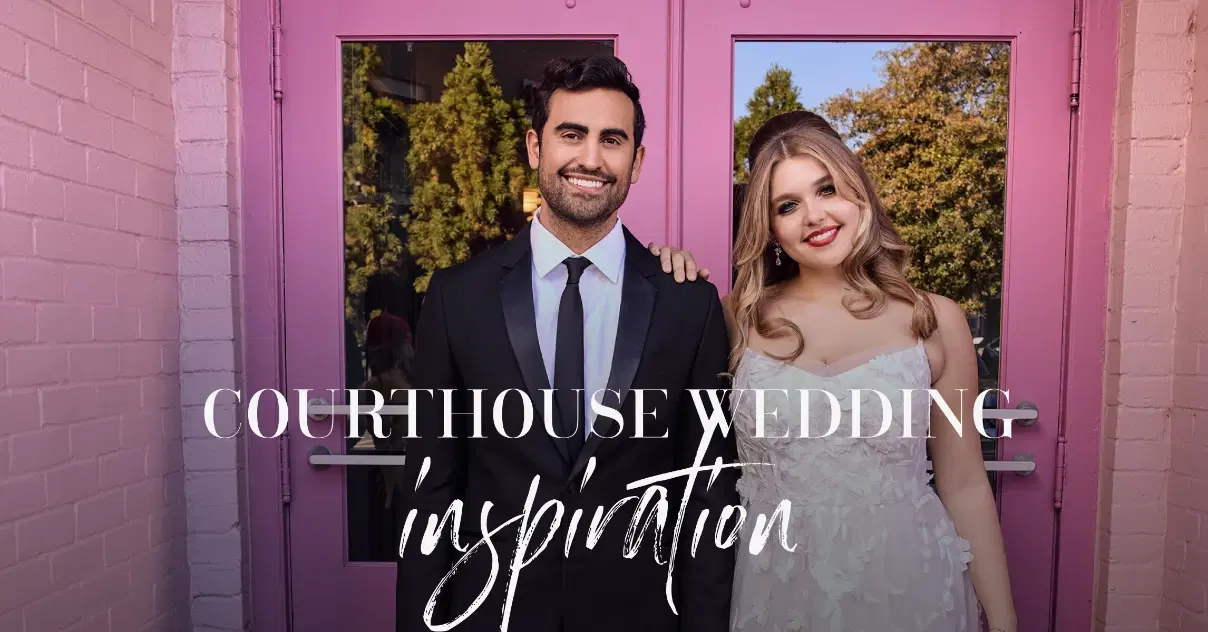
Picture this: you and your partner, dressed in your most beautiful attire, exchanging vows in an intimate setting without the stress of months of planning or thousands of dollars in expenses. A courthouse wedding offers exactly that—a meaningful, legally binding ceremony that celebrates your love in its purest form. Whether you're drawn to the simplicity, the affordability, or the romantic spontaneity of it all, understanding how courthouse weddings work can help you decide if this path is perfect for your love story.
A courthouse wedding, also known as a civil ceremony, is a legal marriage ceremony performed by a government official at a courthouse, city hall, or other municipal building. Unlike traditional religious ceremonies, these weddings focus on the legal union rather than religious customs, making them perfect for couples who want a simple, stress-free celebration.
The beauty of a courthouse wedding lies in its simplicity and authenticity. You're choosing to focus on what truly matters—your commitment to each other—without the pressure of elaborate planning or hefty price tags. Many couples find this intimate approach incredibly romantic, as it strips away all distractions and centers the day entirely on their love.
Courthouse weddings appeal to various couples: those planning destination honeymoons who want to save money, military couples needing to marry quickly, older couples seeking a second marriage, or simply partners who prefer intimate celebrations over large gatherings. The small wedding ceremony format allows you to invite only your closest loved ones, creating an incredibly personal and meaningful experience.
Every courthouse operates differently, so your first step is researching your local options. Most cities offer civil ceremonies at the courthouse, city hall, or designated municipal buildings. Some locations require you to marry in the county where you obtained your marriage license, while others are more flexible.
Check your courthouse's website or call directly to understand their specific policies. Some courthouses only perform ceremonies on certain days or during specific hours, while others offer more flexibility. Popular locations may book weeks or even months in advance, especially during peak wedding seasons.
Before any ceremony can take place, you'll need a valid marriage license. This legal document requires both partners to appear in person at the county clerk's office with proper identification. You'll typically need a government-issued photo ID, birth certificate, and Social Security card.
If either partner was previously married, you'll need divorce decrees or death certificates. The application process usually takes 15-30 minutes, and fees range from $25 to $100 depending on your location. Some states have waiting periods between obtaining the license and the ceremony, while others allow same-day marriages.
Once you have your marriage license, you can schedule your courthouse ceremony. Many locations allow online booking, while others require phone calls or in-person visits. Popular time slots fill quickly, especially Fridays and weekends, so book as early as possible.
Most courthouse ceremonies last 10-20 minutes and include a brief processional, exchange of vows, ring exchange, and pronouncement. The scheduling process typically requires advance notice ranging from a few days to several weeks, depending on your location's availability.
Pro Tip
Many courthouses offer morning and afternoon time slots. Morning ceremonies often feel more intimate and allow you to celebrate with lunch afterward, while afternoon ceremonies can lead beautifully into dinner celebrations.
Plan to arrive 15-30 minutes before your scheduled ceremony time. You'll need to bring your marriage license, valid identification, and any required witnesses. Most courthouses have security checkpoints, so allow extra time for screening procedures.
The check-in process typically involves verifying your documents and confirming your ceremony details. Some locations provide a brief orientation about what to expect during the ceremony, including where to stand and when to exchange rings.
Courthouse ceremonies are beautifully straightforward. The officiant, usually a judge or justice of the peace, will guide you through the process with warmth and dignity. You'll typically exchange standard vows, though some locations allow personal vows if requested in advance.
The ceremony includes the declaration of intent, exchange of rings (if desired), and the official pronouncement of marriage. Many couples are surprised by how meaningful these simple moments feel. The intimate setting often creates an incredibly emotional and memorable experience.
Photography policies vary by location. Some courthouses allow unlimited photos, while others restrict flash photography or designate specific areas for pictures. Ask about these policies when booking to ensure you can capture your special moments.
Immediately following your ceremony, you'll sign your marriage certificate along with your witnesses and the officiant. This document serves as legal proof of your marriage. Most locations provide one certified copy included in your ceremony fee, with additional copies available for purchase.
The filing process happens automatically, and your marriage becomes part of the public record. You'll typically receive your official marriage certificate by mail within a few weeks, though some locations offer same-day certified copies for an additional fee.
Understanding wedding requirements ensures your courthouse ceremony goes smoothly. Both partners must provide valid government-issued photo identification, such as a driver's license or passport. Birth certificates are typically required to verify age and identity.
If either partner was previously married, you'll need official documentation showing the marriage ended—either divorce decrees or death certificates. Social Security cards help verify identity, though some locations accept other forms of identification.
Witness requirements vary significantly by location. Some states require one or two witnesses over age 18, while others don't require witnesses at all. If you need witnesses and don't have friends or family attending, some courthouses provide witnesses for a small fee.
Age requirements typically mandate both partners be at least 18 years old. Younger individuals may marry with parental consent and court approval, though requirements vary by state. Same-sex marriages are legally recognized in all U.S. states following the 2015 Supreme Court decision.
Marriage license costs vary by location but typically range from $25 to $100. Urban areas often charge higher fees than rural counties. Most locations accept cash, check, or credit cards, though it's wise to confirm accepted payment methods when applying.
Some states offer discounts for couples who complete premarital counseling courses. These programs can reduce license fees by $10-$50 and provide valuable relationship skills, making them worth considering even beyond the cost savings.
Civil ceremony costs typically range from $25 to $150, depending on your location and the day of the week. Weekend ceremonies often cost more than weekday options. Some courthouses include the ceremony fee with the marriage license, while others charge separately.
Premium time slots, such as Friday afternoons or Saturday mornings, may carry additional fees. However, even the most expensive courthouse wedding costs significantly less than traditional wedding ceremonies, which average thousands of dollars.
Additional services can enhance your courthouse wedding experience. Professional photography services, when available, typically cost $100-$300. Some locations offer upgraded ceremony rooms or outdoor spaces for additional fees.
Certified marriage certificate copies usually cost $10-$25 each. Consider purchasing several copies, as you may need them for name changes, insurance updates, or other legal purposes. Witness fees, when required, typically range from $10-$25 per person.
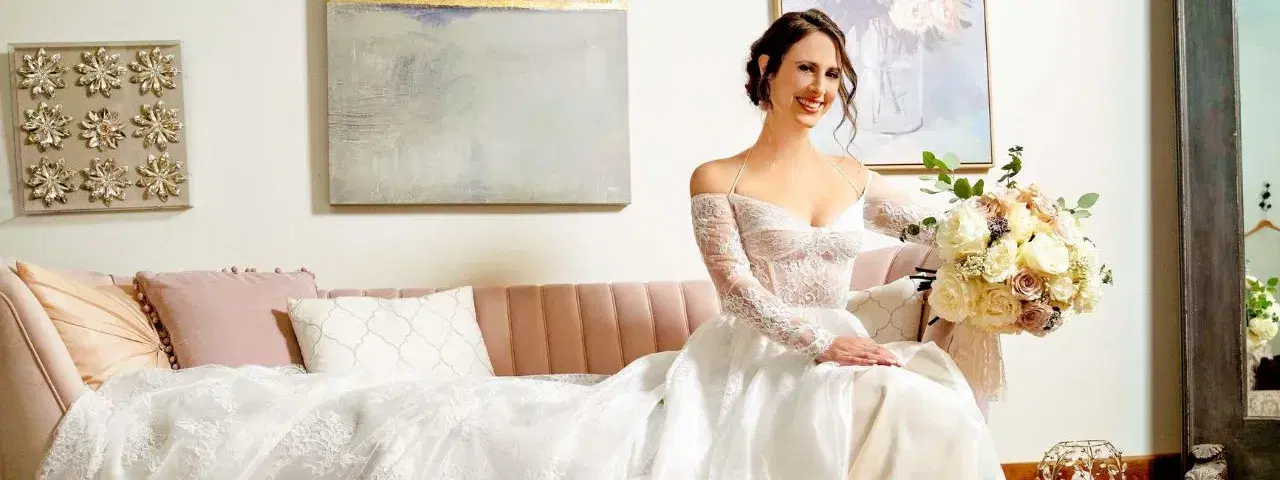
Courthouse weddings offer wonderful flexibility in attire choices. While some couples choose formal wedding attire, others opt for elegant cocktail dresses or smart business attire. The key is choosing something that makes you feel confident and beautiful while respecting the formal government setting.
Consider the courthouse's dress code policies, as some locations require modest attire covering shoulders and knees. Comfortable shoes are essential, as you may need to walk through security and stand during the ceremony. Many brides choose knee-length dresses or elegant pantsuits that photograph beautifully and feel appropriate for the setting.
Most courthouses allow a small number of guests, typically 2-10 people depending on the ceremony room size. Check guest limitations when booking, as exceeding capacity may result in some guests being turned away.
Coordinate with your guests about arrival times and courthouse security procedures. Some locations provide seating for guests, while others require standing throughout the brief ceremony. Consider your guests' comfort when planning your ceremony time and any post-ceremony celebrations.
Small touches can make your courthouse wedding incredibly meaningful. Bring a small bouquet or boutonniere to add elegance to photos. Some couples exchange meaningful gifts or write personal letters to read privately before the ceremony.
Plan a special celebration afterward, whether it's an intimate dinner at your favorite restaurant or a casual gathering at home. Many couples find that courthouse weddings allow them to focus more energy and resources on their honeymoon or future together, making the entire experience feel more intentional and romantic.
Witness requirements vary by state and local jurisdiction. Some locations require one or two adult witnesses, while others don't require witnesses at all. Check with your specific courthouse when booking your ceremony to understand their requirements.
Booking timelines vary significantly by location and season. Popular courthouses may require 2-8 weeks advance notice, while others accommodate same-day ceremonies. Contact your courthouse as soon as you have your preferred date to ensure availability.
Absolutely! Many couples host receptions ranging from intimate dinners to larger celebrations. Courthouse weddings often allow couples to allocate more budget toward memorable receptions, honeymoons, or future goals together.
Rescheduling policies vary by location. Some courthouses allow free rescheduling with advance notice, while others charge fees or require rebooking entirely. Review cancellation and rescheduling policies when making your initial reservation.
Yes, courthouse weddings are completely legally binding and carry the same legal weight as traditional religious ceremonies. The marriage license and official ceremony create a valid legal marriage recognized in all states.
Courthouse weddings offer a beautiful, meaningful way to begin your married life together. By focusing on your love and commitment rather than elaborate details, you're choosing a path that celebrates what truly matters. Whether you're drawn to the simplicity, the affordability, or the intimate romance of a civil ceremony, understanding the process helps you plan a day that perfectly reflects your unique love story. From obtaining your marriage license to saying "I do" in front of your closest loved ones, every step of your courthouse wedding journey can be filled with joy, intention, and the excitement of starting your new chapter together.



-8ad20bc4-be50-425c-a59c-0d2c9988c242.webp&w=3840&q=75)
-9e9fc019-a4dc-41d5-b849-bad793a2721d.webp&w=3840&q=75)