Wedding Planning
•04 min read
Planning a wedding that honors cultural traditions can feel overwhelming when you're navigating different customs, expectations, and etiquette rules. Whether you're attending a multicultural celebration or planning one yourself, understanding cultural wedding norms helps everyone feel respected and included. This cultural wedding etiquette guide breaks down the essential considerations, from pre-ceremony preparations to reception customs, so you can participate confidently in any cultural celebration.
Cultural wedding etiquette encompasses the traditional customs, behaviors, and expectations that different communities hold for wedding celebrations. These practices often carry deep spiritual, familial, or historical significance that goes far beyond simple social rules.
Today's weddings frequently blend multiple cultural backgrounds, creating beautiful but complex celebrations. When couples from different traditions unite, their wedding often becomes a meaningful fusion of customs. Understanding these nuances helps guests show proper respect while allowing couples to honor their heritage authentically.
Respecting cultural wedding traditions demonstrates consideration for the couple's background and their families' values. It also enriches your own experience by helping you appreciate the deeper meaning behind different ceremonies and celebrations.
Before attending any cultural wedding, research helps you prepare appropriately. Start by learning about the couple's cultural backgrounds and any specific traditions they plan to incorporate. This preparation shows respect and helps you avoid unintentional mistakes.
Invitation styles vary significantly across cultures. Some traditions include multiple events over several days, while others focus on a single ceremony. Pay attention to timing details, as arrival expectations can differ dramatically between cultures.
Gift-giving customs require particular attention. Some cultures prefer monetary gifts in specific amounts or denominations, while others emphasize traditional items or handmade offerings. Research appropriate gift ranges and presentation methods for the specific cultural context.
Dress codes often carry cultural significance beyond simple formality levels. Certain colors may be reserved for the couple or family members, while others might be considered inappropriate or unlucky. When in doubt, ask the couple or their families for guidance.
Arrival timing varies widely across different cultural traditions. Some ceremonies begin precisely on time, while others operate on more flexible schedules. Understanding these expectations helps you show appropriate respect for the proceedings.
During religious or traditional ceremonies, observe quietly and follow the lead of other guests familiar with the customs. Many cultural weddings include moments for guest participation, but wait for clear guidance before joining in any rituals or responses.
Pro Tip
If you're unsure about ceremony protocols, position yourself near other guests who seem familiar with the traditions. Following their lead helps you participate respectfully without disrupting the proceedings.
Photography and social media guidelines require careful consideration. Some cultural ceremonies include sacred elements that shouldn't be photographed or shared publicly. Always check with the couple beforehand about their preferences for documenting the celebration.
Language considerations matter when ceremonies include multiple languages or traditional prayers. Even if you don't understand the words, maintaining respectful silence and attention shows proper etiquette.
Reception customs often reflect cultural values around family hierarchy, community celebration, and traditional hospitality. Seating arrangements may follow specific protocols that honor elders or family relationships, so wait for guidance before choosing your seat.
Traditional toasts and speeches frequently include cultural elements like blessings, ancestral acknowledgments, or ceremonial presentations. These moments often hold deep significance for the families involved, so maintain respectful attention throughout.
Food and drink customs vary dramatically across cultures. Some traditions include specific serving orders, blessing rituals, or dietary restrictions that affect the entire celebration. Follow the lead of other guests regarding when and how to approach food service.
Dancing and music participation can be wonderfully inclusive, but cultural dances sometimes carry specific meanings or require particular steps. Feel free to join in when invited, but don't feel obligated to participate in every activity.
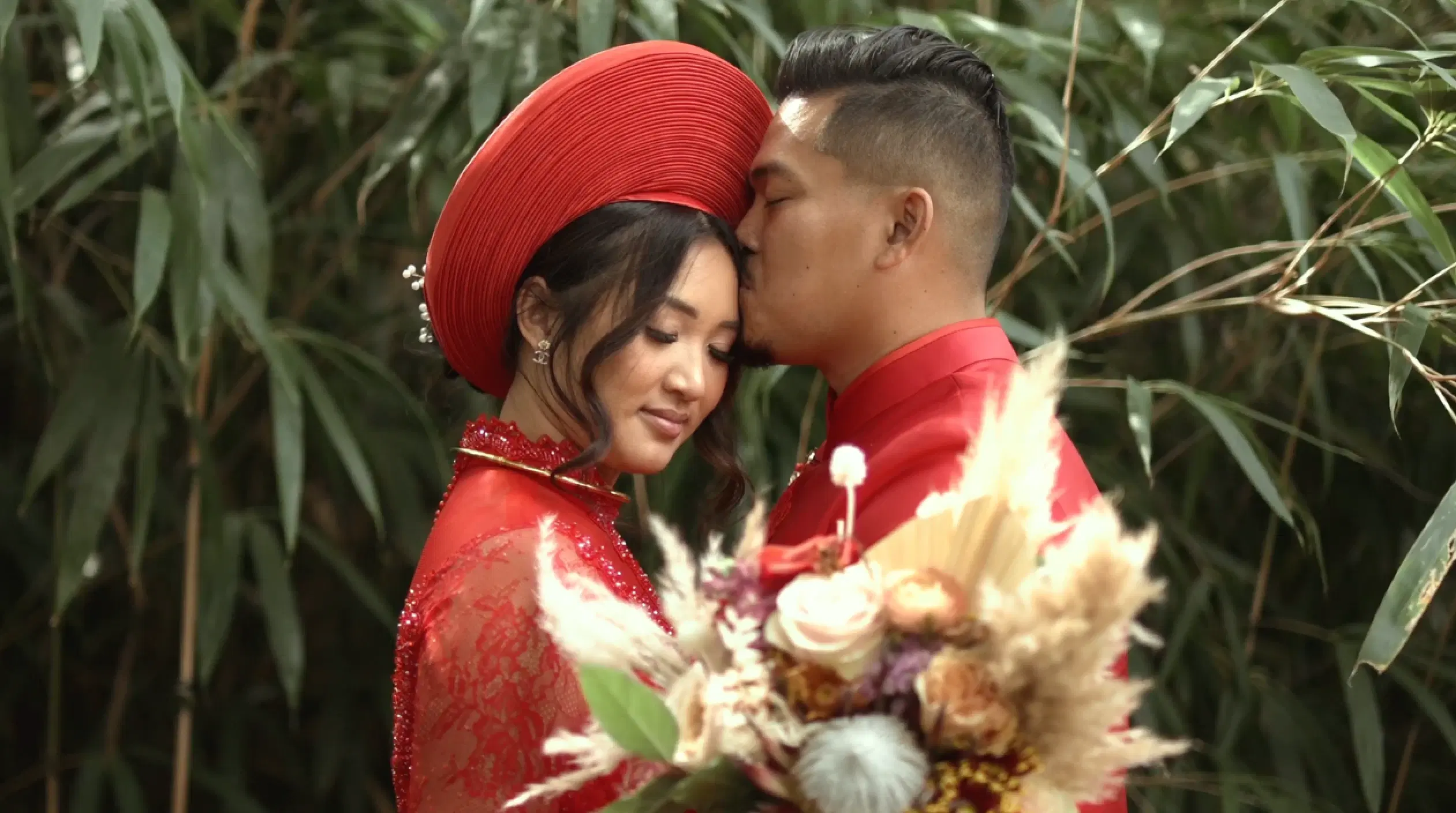
Asian wedding customs often emphasize family honor, ancestral respect, and symbolic elements. Chinese weddings typically feature red as the primary color, while white is reserved for mourning. Indian celebrations may span multiple days with different ceremonies requiring various outfit changes.
Tea ceremonies in Chinese traditions represent respect for elders and family unity. Japanese weddings often include sake-sharing rituals that symbolize the joining of families. Korean ceremonies may feature traditional dress and ancestral bowing customs.
European traditions vary significantly by region but often emphasize religious elements and community celebration. Mediterranean cultures frequently include extended family involvement and multi-course feast traditions.
Scandinavian weddings might incorporate nature elements and seasonal celebrations, while Eastern European traditions often feature folk music, traditional dances, and symbolic bread-sharing ceremonies.
These cultures often emphasize community involvement and celebration that extends beyond the immediate families. Traditional attire frequently includes vibrant colors and symbolic patterns that represent cultural heritage.
Many African traditions include drumming, call-and-response singing, and community blessing rituals. Middle Eastern celebrations often feature traditional music, dance, and hospitality customs that welcome all guests warmly.
Multicultural weddings create beautiful opportunities to experience diverse traditions simultaneously. These celebrations often require flexibility as couples blend different customs into cohesive experiences that honor both backgrounds.
Communication becomes especially important when multiple cultural expectations intersect. Couples planning multicultural weddings often provide guests with programs or explanations that help everyone understand the various elements being incorporated.
Creating inclusive experiences means finding ways to respect different traditions without overwhelming guests. This might involve explaining customs beforehand, providing translation services, or organizing the celebration to flow naturally between different cultural elements.
Pearl Planner can help organize these complex celebrations by tracking different cultural requirements, vendor needs, and timeline considerations in one centralized place, making multicultural planning more manageable.
Research the specific cultural dress codes beforehand, paying attention to color restrictions and modesty requirements. When uncertain, ask the couple or their families for guidance on appropriate attire.
Observe quietly, follow other guests' lead, and maintain respectful attention throughout. Stand, sit, or participate only when clearly invited to do so.
Always check with the couple first, as many cultural and religious ceremonies include sacred elements that shouldn't be photographed. Respect any restrictions they provide.
Focus on showing respect through attentive observation. Many couples provide programs explaining traditions, or you can ask knowledgeable guests for quiet clarification afterward.
Research the specific cultural preferences for monetary amounts, gift types, and presentation methods. Some cultures prefer cash in red envelopes, while others emphasize traditional items or registry gifts.
Understanding cultural wedding etiquette enriches your experience while showing meaningful respect for diverse traditions. Whether you're planning a multicultural celebration or attending one, these guidelines help you navigate different customs with confidence. Pearl Planner offers tools to organize complex cultural requirements and timelines, helping couples blend traditions seamlessly while keeping all the important details organized in one place.