Wedding Looks
•07 min read
Indian bridal colors each carry specific meanings rooted in culture and tradition: red symbolizes love and auspicious beginnings, yellow represents blessings and purification, green signifies prosperity and harmony, and jewel tones often express celebration. These colors guide what brides wear for each ceremony and help guests understand what’s appropriate for Mehndi, Haldi, Sangeet, and the wedding day.
If there’s one thing Indian weddings never shy away from, it’s color—and we’re not talking “a pop of pink” kind of color. While Western ceremonies might center around a single white gown, South Asian celebrations turn the entire week into a kaleidoscope of symbolism. Across multiple days of music, ritual, blessing, and joy, color becomes its own language: red for sacred beginnings, yellow for blessings, green for prosperity, and so much more. These hues aren’t chosen at random; they’re woven into centuries of tradition and symbolism that still influence how brides (and guests!) dress today.
Think of this guide as your insider look into the palette of an Indian wedding: where the colors come from, what they represent, and how they transform each event into something rich with meaning.
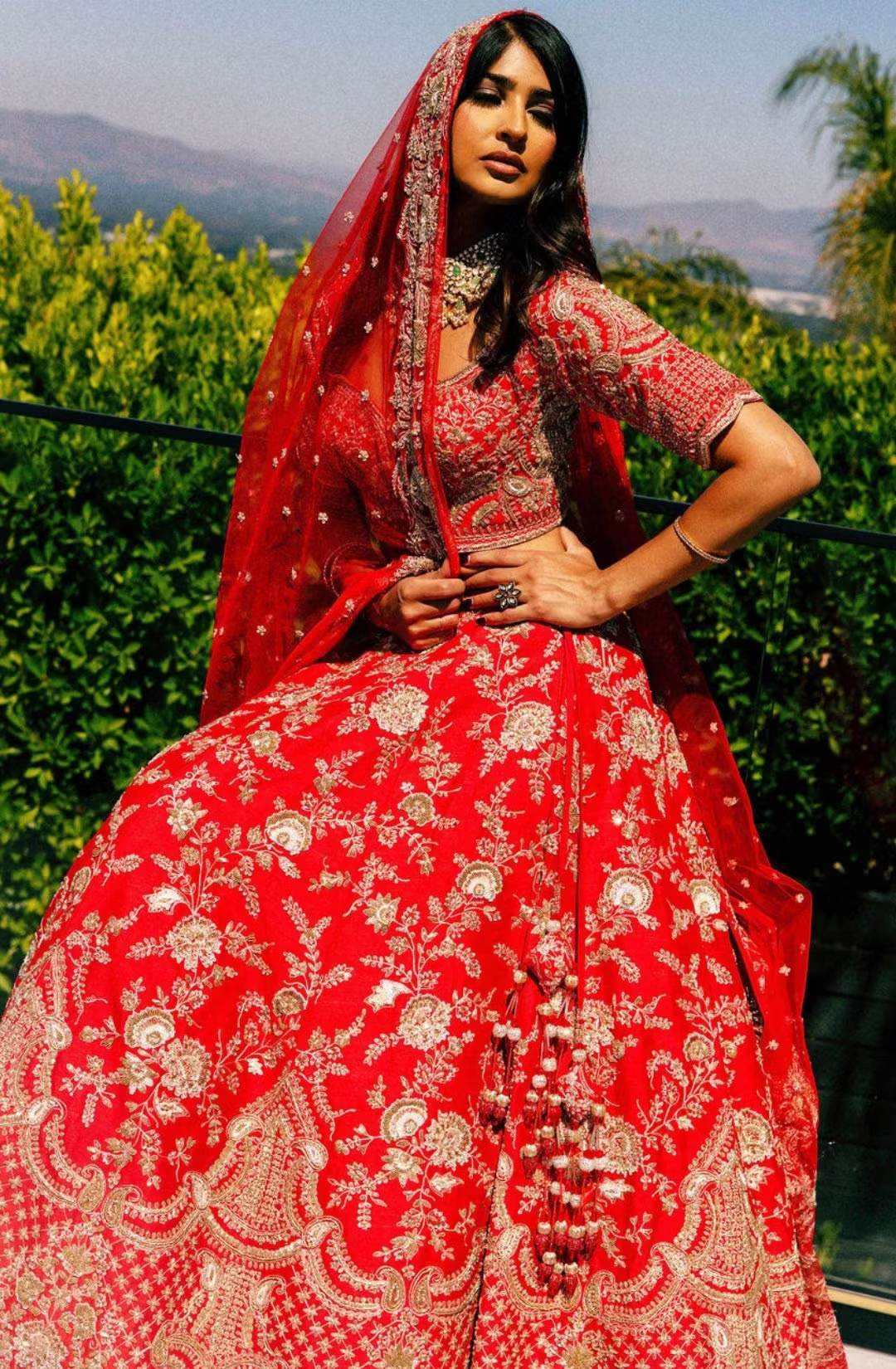
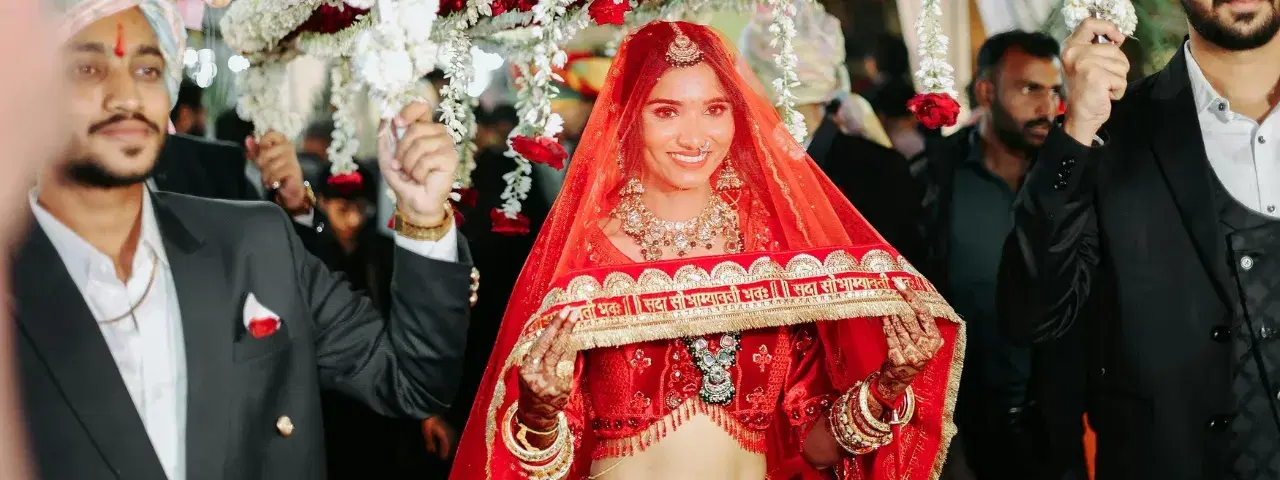
Long before white wedding gowns became the Western standard, Indian brides were already wrapped in the boldest, most powerful color on the spectrum: red. Across many Indian regions, traditional Indian wedding attire symbolizes strength, prosperity, fertility, passion, and auspicious new beginnings—all the qualities a couple hopes to carry into married life. It’s also closely tied to revered Hindu goddesses like Durga, Shakti, and Parvati, embodiments of feminine energy, protection, and abundance. Wearing red isn’t just a fashion choice; it’s a way for the bride to channel that divine power as she steps into her new chapter.
Red’s role in bridal wear stretches back to ancient Vedic traditions. In early centuries, garments were often dyed using natural sources—red clay, turmeric, flowers, and other pigments that held ritual importance. As these customs evolved, red became the color most associated with marriage, ceremony, and sacred transformation. By the time Western brides began wearing white in the late 1800s, Indian brides had already been embracing red for generations.
Even as modern brides experiment with every shade from blush to burnt orange, red (and its deeper sister shade, maroon) remains the most iconic choice for Indian weddings. It’s believed to bring good luck, ward off negativity, and invite prosperity into the couple’s new life together. Plus, it’s visually stunning: regal, radiant, and instantly recognizable. And honestly…who wouldn’t want all that good fortune wrapped into their wedding day?
As mentioned earlier, Indian weddings don’t center around just one big day the way many Western ceremonies do. They unfold over several days—each with its own rituals, energy, and yes, its own signature color palette. Think of it as a beautifully coordinated series of events, where every shade plays its part in telling the couple’s story.
The Mehndi ceremony is all about blessing the bride before her wedding day, and the mood is equal parts intimate and festive. Intricate henna designs are applied across her hands, arms, and feet while friends and family celebrate around her. Green takes center stage here—not just because it photographs beautifully, but because it symbolizes prosperity, growth, and harmony. It also pairs perfectly with the earthy tones of henna and the lush, floral décor so often used as colors for Mehndi ceremonies.
If there’s one event that leans fully into its color, it’s the Haldi ceremony. This ritual involves covering the couple in a turmeric paste meant to bless, protect, and purify them before the wedding. Naturally, the Haldi color traditions follow suit. Guests and family often show up in joyful shades of yellow to match the turmeric (and, let’s be honest, to avoid staining anything precious). Yellow is considered sacred and auspicious in many Hindu traditions, making it the perfect fit for a ceremony rooted in blessings and good fortune.
Orange: An energetic, celebratory hue often paired with yellow during Haldi for a vibrant, sun‑drenched look.
Pink: A favorite for its softness and romance—perfect for pre‑wedding events and modern bridal moments alike.
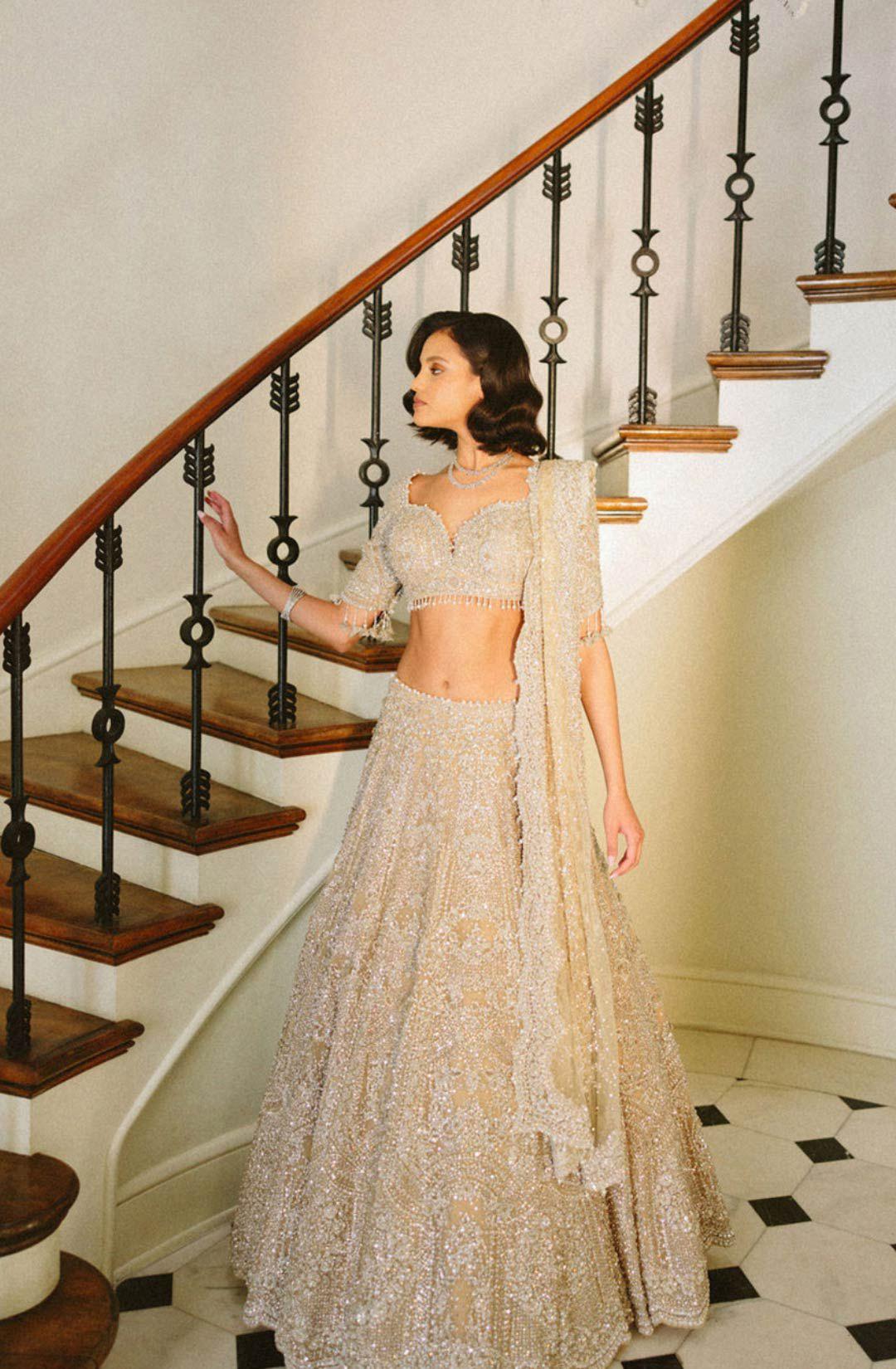
Pastels: Rising stars in the wedding world, especially for daytime ceremonies and fusion weddings. They bring a dreamy, modern twist to classic celebrations.
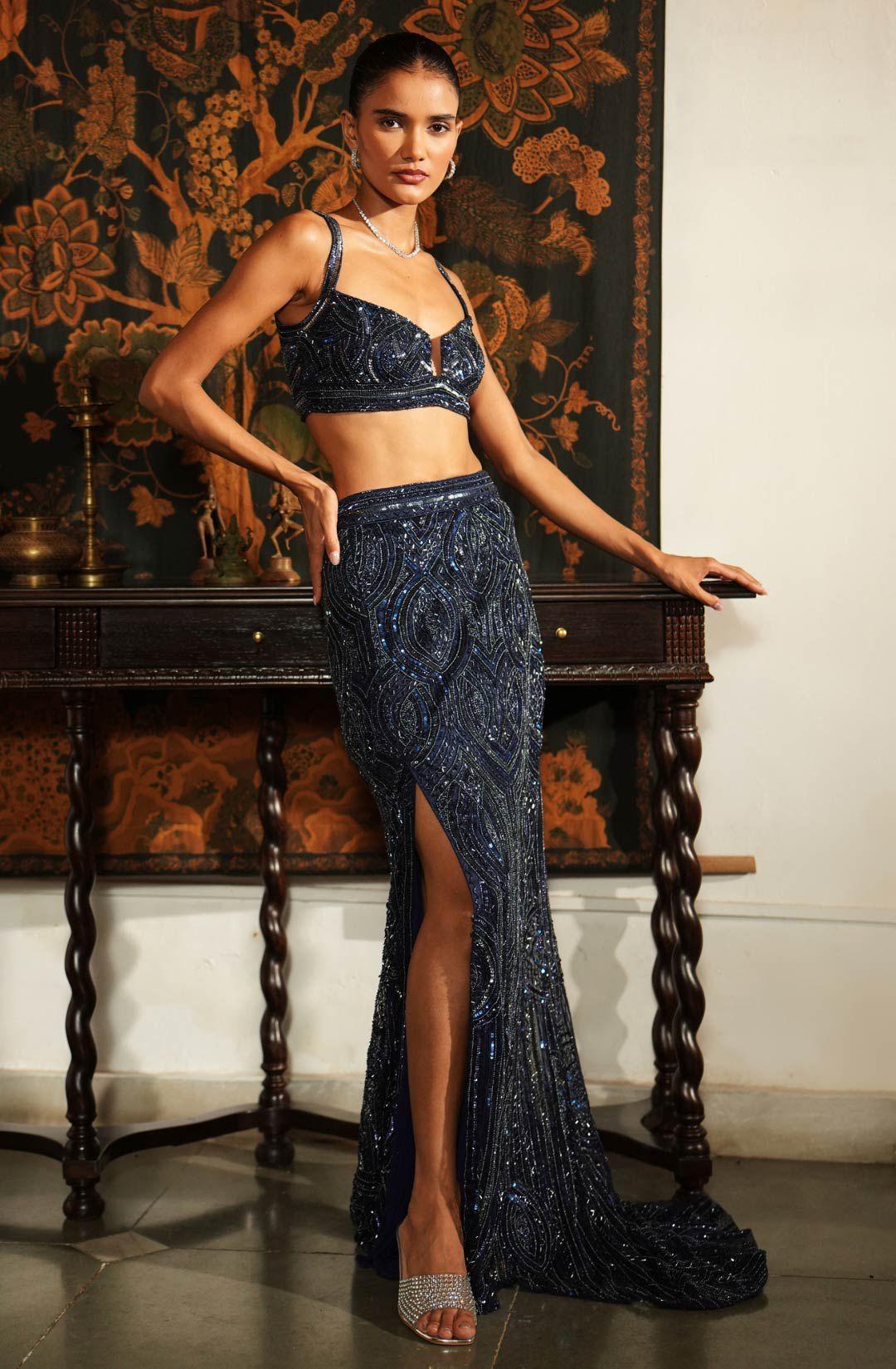
Jewel Tones: Rich, luminous colors that shine under evening lights—ideal for the Sangeet, where you have the most freedom to play with glam and sparkle.
Just like any wedding, Indian celebrations come with their own polite “dos and don’ts.” While the week is bursting with bold, beautiful color, there are a few shades that carry cultural meaning and can send an unintended message if worn at the wrong moment. Here’s what to skip (and why).
Yes, color is welcome. Celebrated, even! But red is her moment. Traditionally, red is the bride’s sacred shade, symbolizing prosperity, love, and new beginnings. Wearing it as a guest during the actual ceremony can unintentionally compete with her spotlight. Play it safe and consider it the ultimate sign of respect to let the bride own the red spectrum on her big day.
Shocker—you still shouldn’t wear white as a guest! But it’s not for the same reasons as Western celebrations. In many Indian communities, white is associated with mourning and loss, making it an inappropriate choice for a celebration rooted in joy, life, and new beginnings. Save your crisp whites for another day and lean into the rich, vibrant palette instead.
While black has been slowly making its way into modern, fashion‑forward Indian celebrations, it still carries older associations with misfortune and inauspiciousness—especially at religious or traditional ceremonies. If you’re unsure of the family’s preferences, it’s best to skip the black outfit and choose something brighter, warmer, and more festive.
While red is the undisputed queen of bridal colors across much of India, the way it’s worn (and the colors that accompany it) shift beautifully from region to region. India is a massive, multicultural tapestry of a country, and each state brings its own history, textiles, and color traditions to the bridal look. Here’s a quick tour of how different parts of the country interpret color on the wedding day.
In many North Indian states, brides step into marriage wearing elaborate red lehengas dripping in gold embroidery and ornate craftsmanship. These looks trace back to royal courts, where red signified status, prosperity, and power. Today’s North Indian bridal palette still leans bold and opulent. Think rich reds, deep maroons, and intricate gold detailing that sparkle under wedding lights.
Travel south and you’ll find brides wrapped in luxurious Kanchipuram (or Kanjeevaram) silk saris. These saris often incorporate shades of red—sometimes ruby, sometimes vermillion—woven with gold zari that symbolizes wealth and auspicious beginnings. The colors are rich, the silk is lustrous, and the look is timeless, connecting today’s brides to centuries of South Indian textile heritage.
In West Bengal, the red Banarasi silk sari reigns supreme. Brides here often choose bold red saris with gold borders and intricate motifs, paired with traditional jewelry like shakha (white bangles) and pola (red bangles). The red Banarasi sari is so iconic that it’s almost synonymous with Bengali bridal identity.
Rajasthan brings its own flair with embroidered lehengas in shades of red, maroon, and orange—colors that reflect the region’s regal history and vibrant culture. Intricate zardozi, mirror work, and gota patti give these bridal looks their signature shimmer, making them a bold expression of artistry and heritage.
In Assam, brides often wear Mekhela Chador in stunning shades of ivory, gold, or cream—sometimes accented with touches of red. The colors here skew softer, but the craftsmanship is extraordinary, with motifs inspired by nature (think peacocks, florals, and traditional patterns).
Maharashtrian brides traditionally wear Paithani saris, which feature lustrous silk, bold colors, and signature motifs like peacocks and lotuses. Many Paithani saris incorporate red or deep jewel tones alongside bright gold zari, creating a look that’s equal parts elegant and electric.
Red may be the anchor color across much of India, but how it’s worn and what it’s paired with changes dramatically based on region, weaving traditions, climate, and cultural influence. From the bold Banarasis of Bengal to the shimmering Kanchipurams of Tamil Nadu, each region paints its own color story, making Indian bridal fashion one of the richest and most diverse in the world.
Red symbolizes love, prosperity, fertility, and auspicious new beginnings. It’s long been associated with sacred rituals and powerful Hindu goddesses, making it the most iconic bridal color.
Absolutely. While red remains traditional, many modern brides choose maroon, pink, orange, gold, pastels, or jewel tones—often blending tradition with contemporary style.
Green represents growth, prosperity, harmony, and new beginnings. It pairs beautifully with the natural tones of henna and the festive, floral décor typical of a Mehndi celebration.
Yellow mirrors the color of turmeric—the central element of the ceremony—and symbolizes purification, positivity, and blessings. It also helps disguise the inevitable turmeric splashes!
Guests should skip red (reserved for the bride), white (associated with mourning in many regions), and black (considered inauspicious at traditional ceremonies). Bright, celebratory colors are always a safe bet.
Yes! Pastels have become increasingly popular, especially for daytime events and fusion weddings. They offer a soft, modern take on classic festivewear.
The Sangeet is a high‑energy evening event filled with dancing and performances. Jewel tones and metallics catch and reflect light beautifully, giving outfits a dynamic, glamorous feel.
Definitely. While red is widespread, different regions have distinct bridal styles—such as Bengal’s iconic red Banarasi, South India’s Kanchipuram silks, or Maharashtra’s vibrant Paithani saris—all of which interpret color in unique ways.
Yes! Guests of all cultural backgrounds are welcome—and encouraged—to wear traditional attire for Indian weddings. It’s a lovely way to honor the couple’s heritage.
Go for bright, festive hues like coral, teal, emerald, gold, or magenta. When in doubt, choose joyfully vibrant colors and avoid anything too close to bridal red or stark white.
Color isn’t just decoration in an Indian wedding—it’s storytelling. From the sacred reds of the ceremony to the joyful yellows of Haldi and the lush greens of Mehndi, each shade carries centuries of meaning and intention. Together, they create a wedding palette that’s as emotional as it is beautiful. Whether you’re attending as a guest, supporting a friend, or simply curious about the cultural richness behind these traditions, understanding the symbolism adds a new layer of appreciation. Indian wedding colors aren’t just worn; they’re lived, celebrated, and passed down through generations—making every event feel that much more magical.
At David’s Bridal, we’re committed to celebrating the beauty of wedding traditions from around the world—including the rich color symbolism of Indian bridal culture.