How to Clean and Preserve Your Wedding Dress
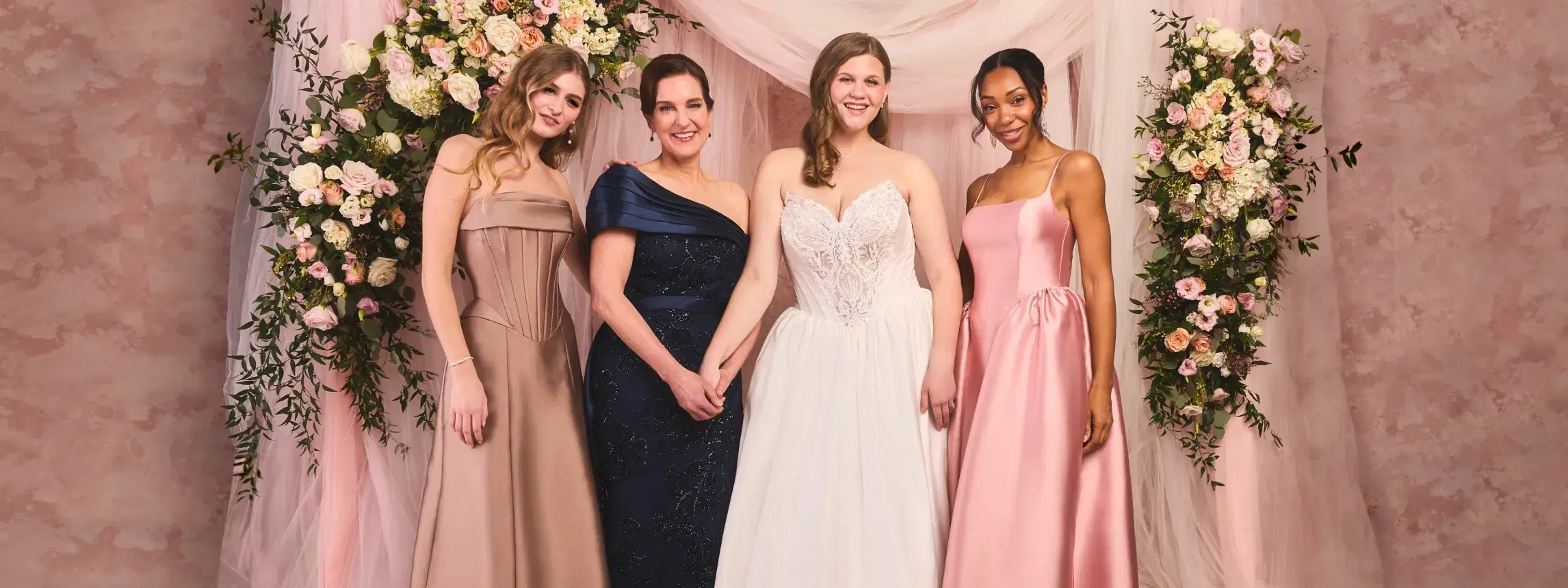
Your wedding dress holds more than fabric and thread. It carries the memory of your first dance, the tears of joy, and the moment you said "I do." But without proper care, those precious memories can fade along with your gown. Wedding dress cleaning and preservation isn't just about maintaining a piece of clothing—it's about protecting a treasured keepsake that tells your love story.
The hours after your celebration are crucial. Invisible stains from champagne, makeup, and even perspiration start setting into delicate fabrics immediately. What looks clean today can turn into permanent yellowing or stubborn spots tomorrow. Here's how to keep your gown as beautiful as the day you wore it.
Your wedding gown represents both financial investment and emotional value that grows over time. Professional bridal gown care prevents the gradual deterioration that naturally occurs when delicate fabrics encounter everyday elements like dust, light, and humidity.
Without proper cleaning, invisible stains from body oils, deodorant, and food become permanent discoloration within months. Sugar-based stains from cake or champagne attract insects and create brown spots that penetrate deep into fabric fibers. Even seemingly clean areas develop yellowing from oxidation when stored improperly.
The cost of preservation—typically $200 to $600—pales compared to replacing a damaged gown or attempting expensive restoration years later. Many brides discover their "clean" dress has developed irreversible staining when they retrieve it for their daughter or for sentimental viewing.
Pro Tip
Stains become 10 times harder to remove after six months, and some become completely permanent after a year. Even invisible stains from clear liquids like champagne will yellow and darken over time.
Professional preservation also maintains the structural integrity of your gown. Beading stays secure, lace remains flexible, and delicate fabrics retain their original drape and texture. This attention to detail ensures your dress could be worn again or passed down as a family heirloom.
The clock starts ticking the moment you take off your dress. Immediate action within 24 to 48 hours gives you the best chance of removing all stains completely. Even if your gown looks spotless, invisible residue from dancing, eating, and celebrating needs professional attention.
Many stains appear clear initially but become visible over time. Perspiration, clear beverages, and even tears contain salts and sugars that oxidize into brown or yellow marks. Food oils penetrate fabric gradually, creating expanding stains that worsen with heat and time.
Check your hemline carefully—it's the most vulnerable area. Look for grass stains, dirt, makeup transfer from hugs, and food drops. The train often picks up additional debris throughout the day. Don't forget to examine the bodice for deodorant marks, perfume stains, and makeup transfer.
If you can't get to a professional immediately, take basic protective steps. Hang your dress in a cool, dry place away from direct sunlight. Never store it in plastic, which traps moisture and encourages mildew growth.
For visible spills, gently blot—never rub—with a clean, white cloth. Avoid water or home remedies, which often set stains permanently or damage delicate fabrics. Remove any detachable accessories like belts or brooches to prevent snagging during storage.

The complexity of modern wedding gowns makes professional gown cleaning service almost essential. Today's dresses combine multiple fabrics, intricate beading, and delicate construction that requires specialized knowledge and equipment.
Professional cleaners understand how different fabrics react to various cleaning methods. Silk requires different treatment than polyester, and vintage lace needs gentler handling than modern synthetic materials. They also have specialized equipment for steam cleaning, spot treatment, and controlled drying that prevents shrinkage and distortion.
Wedding dress dry cleaning professionals also carry insurance and offer guarantees. If something goes wrong during cleaning, you're protected. They document existing damage and provide detailed reports about the cleaning process and any limitations.
Home cleaning attempts often cause more damage than the original stains. Regular dry cleaners may not understand the special requirements of wedding gowns, potentially using harsh chemicals that yellow delicate fabrics or damage embellishments.
Water-based cleaning at home can cause shrinkage, color bleeding, and structural damage. Beading may loosen, and delicate fabrics can tear when wet. Even successful stain removal doesn't address the preservation needs that prevent future deterioration.
Understanding the professional cleaning process helps you choose the right service and set appropriate expectations. Reputable providers follow systematic steps that address both visible and invisible contamination.
Professional wedding dress restoration begins with thorough examination under special lighting that reveals hidden stains. Technicians photograph existing damage and document fabric types, construction details, and embellishment materials. This creates a baseline for measuring cleaning success and protects both parties.
They test cleaning solutions on hidden areas to ensure compatibility with your specific fabrics and dyes. Different sections of your dress may require different treatment methods, especially if it combines natural and synthetic materials.
Modern wedding gown cleaning uses multiple approaches depending on fabric type and stain composition. Wet cleaning with pH-balanced solutions works best for water-based stains, while solvent cleaning addresses oil-based marks. Some areas may receive hand treatment with specialized brushes and solutions.
Vintage wedding dress cleaning requires extra care, as older fabrics may be more fragile and dyes less stable. Professionals often use gentler, longer processes that gradually lift stains without shocking delicate fibers.
Beaded and embellished areas receive individual attention. Each bead, sequin, and appliqué is cleaned separately to prevent damage or displacement. Steam treatment reshapes the gown and removes wrinkles without the pressure that could damage delicate construction.
Proper dress preservation extends far beyond cleaning. The storage method determines whether your gown remains pristine for decades or gradually deteriorates despite initial professional care.
Professional preservation uses acid-free materials exclusively. Regular cardboard boxes contain acids that yellow fabric over time, while acid-free containers maintain neutral pH levels that prevent chemical reactions. Archival tissue paper supports the dress without transferring harmful chemicals.
Climate control is crucial for long-term wedding dress storage. Temperature fluctuations cause expansion and contraction that stresses fabric fibers. Humidity variations encourage mold growth or excessive drying that makes fabrics brittle. Professional storage maintains consistent conditions year-round.
Preservation specialists fold dresses along natural seam lines to minimize stress on fabric. They use multiple layers of acid-free tissue to support folds and prevent permanent creasing. The bodice receives extra padding to maintain its shape, while the skirt is arranged to distribute weight evenly.
Never hang a preserved dress for long-term storage. Gravity gradually stretches fabrics and stresses seams, especially around the shoulders and waist. Even padded hangers can create pressure points that damage delicate materials over time.
Did You Know?
Properly preserved wedding dresses can remain pristine for over 100 years. Some Victorian gowns stored using museum techniques still retain their original color and structural integrity.
Wedding dress cleaning and preservation costs vary significantly based on dress complexity, stain severity, and service quality. Understanding pricing factors helps you budget appropriately and compare services effectively.
Basic cleaning typically ranges from $150 to $300, covering standard stain removal and pressing. Full preservation packages, including cleaning and archival storage, cost $200 to $600. Complex gowns with extensive beading, multiple fabric types, or severe staining may cost $400 to $800 or more.
Geographic location significantly affects pricing. Urban areas with higher operating costs typically charge more than rural providers. However, specialized expertise often justifies higher prices, especially for valuable or complex gowns.
Compare total value rather than just initial cost. Cheaper services may use inferior materials or skip important steps, leading to future problems. Quality preservation includes detailed documentation, insurance coverage, and guarantees against yellowing or damage.
Some providers offer package deals that include cleaning, preservation, and storage for multiple years. These can provide better value than separate services, especially if you plan long-term storage.

Choosing a wedding dress cleaning and preservation service requires careful research. The right provider combines technical expertise with genuine care for your treasured gown.
Look for providers with specific wedding dress experience, not just general dry cleaning services. Ask about their training, certifications, and years specializing in bridal gown care. Professional associations and continuing education demonstrate commitment to current best practices.
Request references from recent customers and read detailed reviews. Pay attention to comments about communication, timeliness, and results quality. Be wary of providers who can't provide references or seem evasive about their process.
Inquire about their specific cleaning methods and preservation materials. Reputable providers gladly explain their process and answer technical questions. Ask about insurance coverage, guarantees, and what happens if problems occur during cleaning.
Understand their timeline and communication practices. Quality preservation takes time—be suspicious of promises for unusually quick turnaround. Good providers keep you informed throughout the process and provide detailed documentation upon completion.
Professional cleaning and preservation usually costs between $200 and $600, depending on your dress complexity, stain severity, and local market rates. Simple gowns may cost less, while heavily beaded or damaged dresses can cost more.
Most professional services require 6 to 12 weeks for complete cleaning and preservation. Rush services may be available for additional fees, but quality preservation shouldn't be rushed.
DIY cleaning risks permanent damage to delicate fabrics and embellishments. Professional services have specialized equipment and expertise that home methods can't match. The cost of professional cleaning is usually less than replacing a damaged gown.
Properly preserved dresses can definitely be worn again, though you may need minor alterations after years of storage. Many brides successfully wear preserved gowns for vow renewals or pass them to family members.
Full preservation typically includes thorough cleaning, stain removal, pressing, and storage in acid-free materials. Many services also provide detailed documentation and guarantees against yellowing or deterioration.
Your wedding dress deserves the same care and attention you put into choosing it. Professional cleaning and preservation protects both the physical gown and the precious memories it represents. Whether you plan to pass it down through generations or simply want to preserve a beautiful reminder of your special day, proper care ensures your dress remains as stunning as the moment you first put it on. At David's Bridal, we understand the emotional significance of your gown and can help connect you with trusted preservation specialists who share that same commitment to protecting your treasured memories.