Formal Attire Done Right: 7 Pro Styling Tips
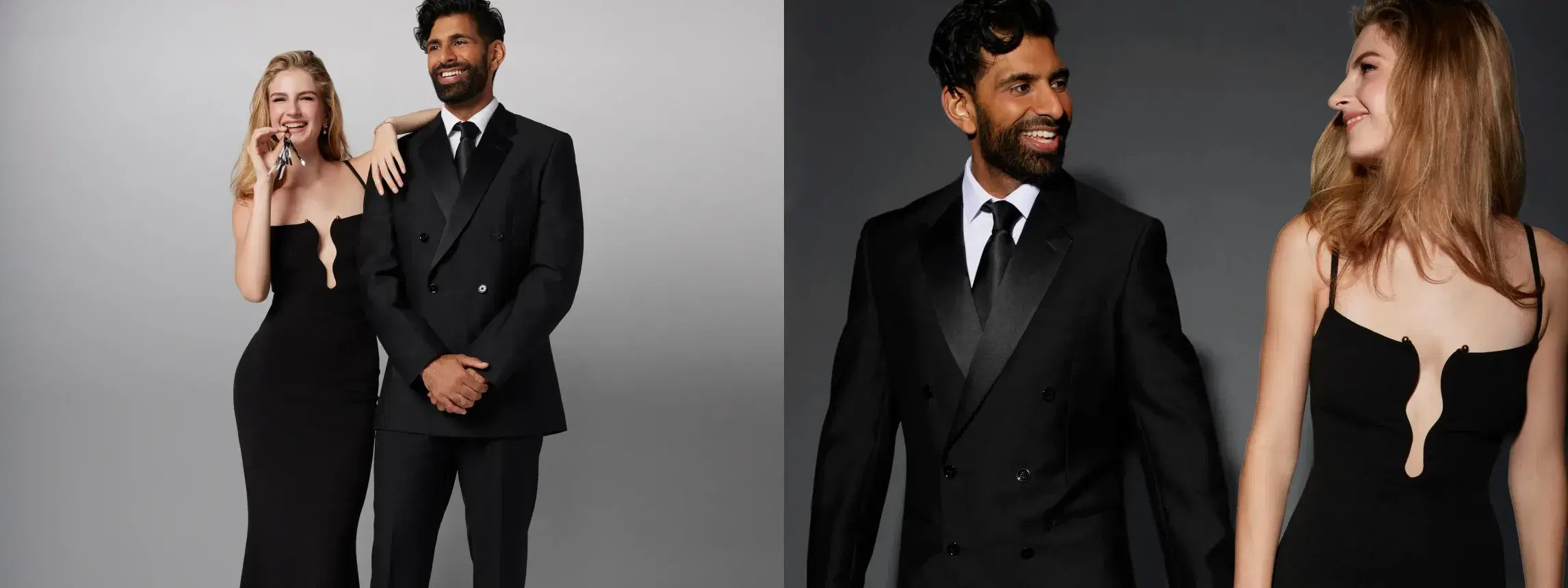
Getting formal attire right feels like cracking a secret code. You know that moment when you walk into an event and instantly spot who belongs and who's trying too hard? The difference often comes down to understanding a few key principles that transform good intentions into genuine confidence.
Here's the thing: formal dressing isn't about following rigid rules or spending a fortune. It's about making smart choices that let your personality shine while respecting the occasion. These seven strategies will help you navigate any formal event with ease and authenticity.
Understanding formal dress codes gives you the foundation to make confident choices. Think of dress codes as guidelines, not restrictions—they're designed to help everyone feel comfortable and appropriately dressed for the occasion.
Black tie means tuxedos for men and floor-length gowns or sophisticated cocktail dresses for women. Black tie optional gives you flexibility: you can wear a dark suit instead of a tux, or choose an elegant cocktail dress over a full gown. The key is maintaining the same level of formality and sophistication.
Semi-formal sits beautifully between casual and formal. For men, this means a suit with a dress shirt and tie. For women, cocktail dresses, dressy separates, or elegant jumpsuits work perfectly. The goal is polished without being overly formal.
Cocktail attire strikes that perfect balance between approachable and elevated. Think knee-length or midi dresses, tailored suits, or chic separates. The vibe should feel celebratory but not overwhelming—you want to look like you belong at the party, not like you're hosting it.
Great fit transforms any outfit from acceptable to exceptional. When formal attire fits properly, you move with confidence and comfort. Poor fit, on the other hand, broadcasts inexperience no matter how expensive your clothes.
Shoulders set the tone for your entire look. Jacket shoulders should align with your natural shoulder line—no pulling, bunching, or gaps. This is the one alteration that's nearly impossible to fix, so get this right from the start.
Suit jacket sleeves should show about a quarter inch of shirt cuff. Pants should have a slight break at the shoe for a classic look, or no break for a modern feel. Dress hems should feel comfortable when you sit, stand, and move naturally.
Pro Tip: A well-fitted, moderately priced outfit always looks better than an expensive one that doesn't fit properly. Invest in alterations—they're worth every penny.
Wedding guest attire requires special consideration. You want to honor the couple's celebration while expressing your personal style. The key is reading the room and the invitation carefully.
Wedding invitations often include dress code hints beyond the obvious. Garden party suggests lighter fabrics and colors. Evening reception calls for more formal choices. Beach ceremony means breathable fabrics and practical shoes.
Summer weddings welcome lighter colors and breathable fabrics like chiffon or linen blends. Fall and winter celebrations call for richer tones and heavier fabrics. Spring offers the perfect opportunity for florals and pastels.
Avoid white, ivory, and anything that could upstage the couple. Instead, choose colors that photograph well and make you feel confident. Jewel tones, classic navy, and sophisticated prints work beautifully for most celebrations.
Smart evening wear shopping means investing in versatile pieces that work across multiple occasions. Quality basics give you endless styling possibilities without breaking your budget.
Every wardrobe needs a classic black dress or well-fitted dark suit, quality dress shoes, and a few key accessories. These pieces work for everything from work events to wedding receptions.
The right accessories transform basic formal pieces into fresh looks. A statement necklace elevates a simple dress, while a pocket square adds personality to a classic suit. Quality shoes and a good watch or elegant jewelry complete any formal ensemble.
Even well-intentioned formal dressing can go wrong with small mistakes. Knowing what to avoid helps you navigate formal events with confidence.
Avoid clothes that are too tight or too loose. Both extremes look uncomfortable and unprofessional. Your formal attire should allow natural movement without pulling or bunching.
Scuffed shoes or inappropriate styles can undermine an otherwise perfect look. Keep dress shoes polished and in good repair. Choose heel heights you can walk in comfortably—confidence comes from feeling steady on your feet.
Fresh breath, clean nails, and well-groomed hair matter as much as your outfit. These details show respect for the occasion and the people you're celebrating with.
Professional stylists use specific techniques to create polished, cohesive looks. These principles work for anyone wanting to elevate their formal dressing game.
Stick to a cohesive color palette throughout your outfit. Monochromatic looks feel sophisticated, while complementary colors add visual interest without overwhelming. Avoid competing patterns or too many bold elements in one look.
Balance fitted pieces with flowing ones, and structured items with softer textures. If you're wearing a fitted top, choose a flowing bottom, or pair a structured blazer with softer pants or skirts.
The best formal attire means nothing without the confidence to wear it well. These finishing touches help you feel as good as you look.
Before leaving home, do a quick comfort test. Sit down, raise your arms, take a few steps. Your formal attire should feel like a polished version of yourself, not a costume.
Formal doesn't mean boring. Find ways to incorporate your personality through color choices, interesting textures, or meaningful accessories. The goal is looking appropriately formal while still feeling like yourself.
Cocktail attire typically refers to evening events and suggests slightly dressier options like cocktail dresses or dark suits. Semi-formal can apply to daytime or evening and offers more flexibility in color and style choices.
When in doubt, it's better to be slightly overdressed than underdressed. However, if you feel uncomfortable or like you're wearing a costume, you might be overthinking it. Aim for polished and appropriate rather than perfect.
Absolutely! Quality formal pieces are meant to be worn repeatedly. Change up accessories, shoes, or styling to create fresh looks with the same base pieces.
Ask the host or check the event details for guidance. David's Bridal stylists can also help you navigate dress codes and find appropriate options for any formal occasion.
Give yourself at least two weeks for shopping and potential alterations. This timeline allows you to find the right pieces without rushing and ensures proper fit.
Mastering formal attire comes down to understanding the basics, investing in quality fit, and wearing everything with confidence. These seven strategies give you the foundation to navigate any formal event feeling prepared and authentic. Remember, the best formal look is one that makes you feel like the most polished version of yourself.