Black Tie Optional for Men: Your FAQ Guide
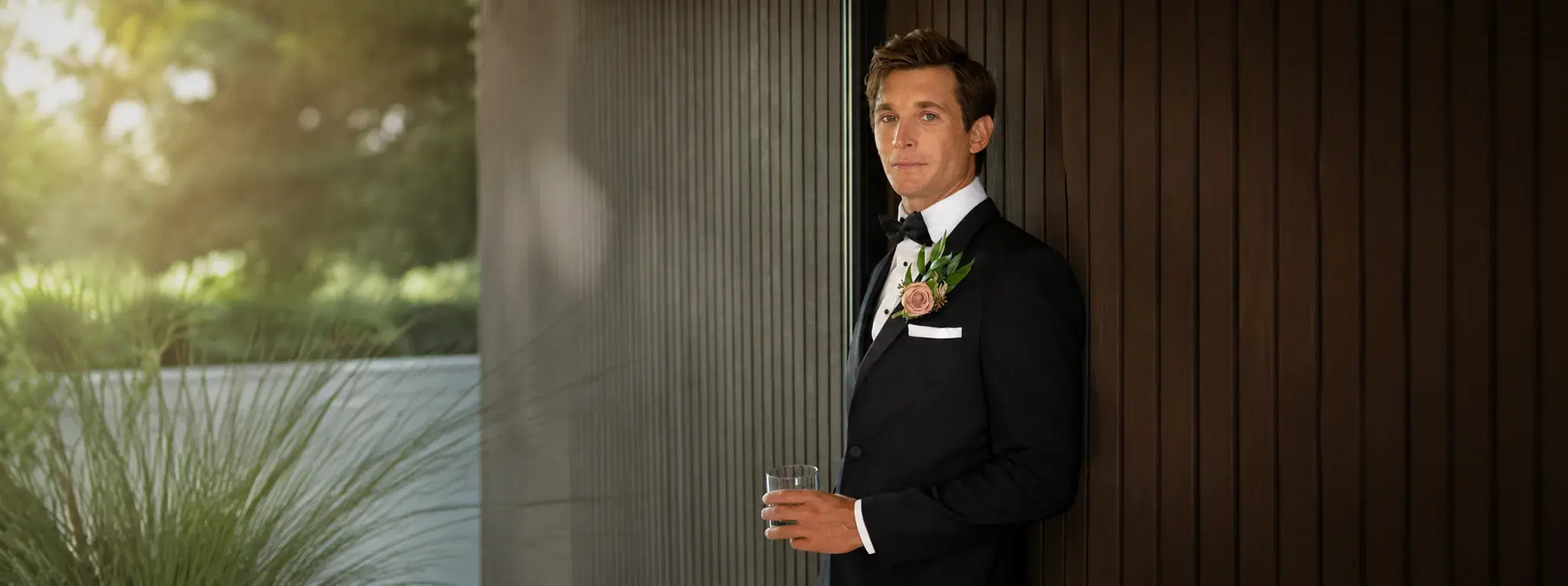
Getting dressed for a black tie optional event can feel like solving a puzzle. You're standing in front of your closet wondering: tuxedo or suit? Bow tie or regular tie? The good news? This dress code gives you options while keeping things elegantly formal.
Think of black tie optional as formal wear with a safety net. It means the host wants a sophisticated atmosphere but understands not everyone owns a tuxedo. You'll look great whether you go full formal or choose a polished dark suit.
Black tie optional sits right between strict formal and cocktail attire. The "black tie" part tells you this is a serious, elegant event. The "optional" part means you won't be turned away for wearing a sharp dark suit instead of a tuxedo.
This dress code shows up at weddings, charity galas, award ceremonies, and upscale corporate events. Hosts choose it when they want formality without creating barriers for guests who might not have access to formal wear.
Here's where black tie optional fits in the formality spectrum:
Black tie: Tuxedos required, no exceptions
Black tie optional: Tuxedos preferred, dark suits acceptable
Cocktail attire: Dark suits standard, some flexibility on colors
Semi-formal: Business suits work, lighter colors okay
Understanding this hierarchy helps you dress appropriately for any formal occasion.
Both options work perfectly for black tie optional events. Your choice depends on your budget, the event's significance, and what makes you feel most confident.
Choose a tuxedo when you want to make the strongest impression. If you're attending a milestone wedding, important gala, or prestigious venue, a tuxedo shows respect for the occasion. It's also your best bet if you suspect most other guests will wear formal wear.
Don't worry about owning one. Tuxedo rentals make this option accessible, and many rental services offer convenient home delivery and fitting options.
A well-tailored dark suit can look just as polished as a tuxedo. Choose this route if you're budget-conscious, prefer versatile pieces you'll wear again, or feel more comfortable in suits than formal wear.
The key is choosing the right suit. Stick with navy, charcoal, or black in wool or wool blends. Avoid lighter colors, casual fabrics, or business suits you'd wear to the office.
Success lies in the details. Whether you choose a tuxedo or suit, every element should work together to create a polished, cohesive appearance.
For classic formal excellence, you'll need:
Black or midnight navy tuxedo with satin lapels
Crisp white dress shirt (French cuffs or pleated front)
Black bow tie or formal necktie
Black patent leather or highly polished dress shoes
Black dress socks and leather belt
Cufflinks if your shirt requires them
This combination ensures you'll never be underdressed, no matter how formal the event turns out to be.
For sophisticated practicality, gather:
Navy, charcoal, or black suit in quality fabric
White dress shirt with proper collar
Silk tie in solid colors or subtle patterns
Black or dark brown leather dress shoes
Matching leather belt
Dress socks that complement your suit
Pocket square for extra polish (optional but recommended)
This approach gives you excellent value while maintaining the formal appearance the dress code requires.
Quality accessories can transform a good outfit into an outstanding one. Invest in properly polished leather shoes, choose ties that complement rather than compete with your outfit, and pay attention to grooming details.
A quality watch, subtle pocket square, and fresh haircut often matter more than whether you choose a tuxedo or suit. These finishing touches show you understand the importance of the occasion.
Even well-intentioned guys can miss the mark with black tie optional. Here's what to avoid:
Skip these common mistakes:
Light-colored or casual suits
Inappropriate shoes (sneakers, casual loafers, boots)
Casual shirts or anything too relaxed
Flashy or novelty ties
Mixing formal and casual elements
Remember, the "black tie" part still matters. This isn't the time to push boundaries or make bold fashion statements.
Proper fit trumps expensive clothing every time. A well-tailored affordable suit looks better than an expensive suit that doesn't fit right. Make sure your jacket shoulders sit properly, your pants break correctly at your shoes, and everything feels comfortable when you move.
Don't forget grooming standards either. Fresh haircut, trimmed facial hair, and clean nails complete your polished appearance.
-606e2049-6af0-4e37-adf4-1a6c7410becc.png&w=3840&q=75)
Absolutely. Navy suits are perfect for black tie optional events, including weddings. Navy is considered one of the most appropriate dark suit colors for formal occasions, right alongside charcoal and black.
Not at all. The "black tie" refers to the formality level, not a color requirement. Navy and charcoal suits work excellently for these events and often look more sophisticated than black suits.
Black tie optional is more formal than semi-formal attire. Semi-formal allows business suits and lighter colors, while black tie optional requires dark, formal suits or tuxedos with stricter styling requirements.
Dark brown shoes can work with navy or charcoal suits, but black shoes are the safer, more traditional choice for formal evening events. When in doubt, go with black.
Only if you're wearing a tuxedo. With a dark suit, a regular silk necktie is perfectly appropriate and often preferred over a bow tie.
If you're planning your own wedding with a black tie optional dress code, consider how your attire coordinates with your wedding party. When shopping for bridesmaid dresses at David's, you can easily coordinate matching tuxedos and suits for the groom and groomsmen through Generation Tux. This partnership makes it simple to dress both sides of the aisle with confidence, ensuring everyone looks polished and coordinated while respecting your dress code choice.
Mastering black tie optional gives you the confidence to attend any formal event knowing you've struck the perfect balance between elegance and practicality. Whether you choose a classic tuxedo or a sharp dark suit, success comes down to proper fit, attention to detail, and understanding the occasion's context. You can honor the formality while working within your comfort zone and budget.