How to Choose the Perfect Prom Dress for You
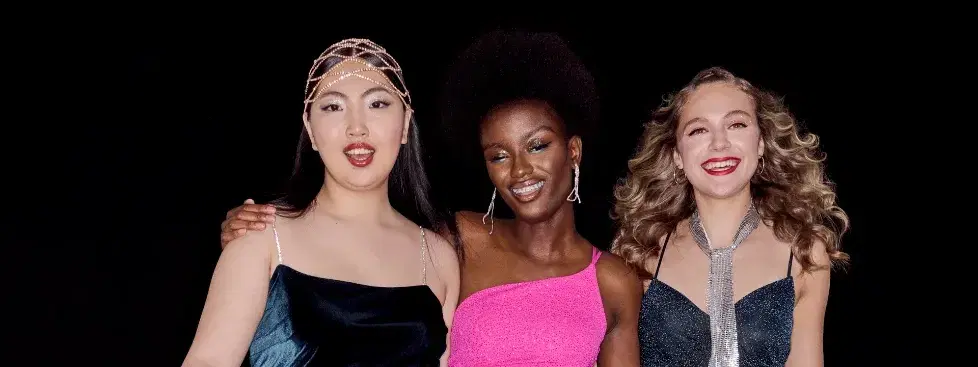
Choosing a prom dress isn’t about chasing trends or fitting into a body label. It’s about finding a dress that fits well, moves with you, and feels good through real prom moments—shopping, fittings, photos, sitting through dinner, walking stairs, and dancing for hours. This guide breaks down how to choose a prom dress based on fit, comfort, and wearability, so you feel confident all night instead of adjusting straps or worrying about movement.
Bodies don’t fall into perfect categories. Most people are a mix of shapes, proportions, and preferences. Instead of locking into a “type,” focus on how a dress fits your shoulders, bust, waist, hips, and legs—and how it feels when you move.
The bodice should feel secure without digging in or gaping. You should be able to sit comfortably and raise your arms without pulling. The skirt should allow easy walking and dancing. If you’re planning heels, stairs, or a long night, length and weight matter as much as style.
Certain silhouettes show up again and again because they’re practical, flexible, and flattering across many body combinations.
These are reliable for a reason. They skim the hips, don’t restrict movement, and are easy to sit and dance in. They work well if you carry more volume on the bottom, top, or both, and they photograph cleanly from every angle.
An empire waist sits just under the bust and gives you room through the midsection. It’s a good option if you want less pressure at the waist or prefer a softer, flowy feel while still looking structured on top.
If you like a more defined shape, look for structure plus stretch. Boning, thicker straps, or supportive lining help the dress stay in place during photos and dancing. Make sure you can breathe and sit comfortably—support should feel secure, not stiff.
These styles can work if the fabric has stretch and the flare starts low enough to allow walking and stairs. Always test movement in the fitting room. If you feel restricted, size up and tailor.
Necklines aren’t just about appearance—they affect comfort and support.
These open the neckline without feeling restrictive and tend to sit well during movement. They’re practical for long wear and easy to style with minimal adjustments.
These can work, but only with strong internal support. Sit, lift your arms, and dance-test before committing. If you’re constantly adjusting, it’s not the right fit.
These shift focus upward and often feel secure for dancing, but check neck comfort. If it pulls or rubs, it’ll be noticeable after a few hours.
Height matters just as much as shape.
Watch proportions. Heavy skirts, oversized ruffles, or long trains can overwhelm your frame. Hem length is key—factor in heel height early so you’re not tripping or lifting your dress all night.
You have more flexibility with length and drama, but check that waistlines and bodices hit in the right place. Sometimes longer torsos need small adjustments for balance.
The best plus size prom dresses balance structure and comfort. Look for supportive bodices, breathable fabrics, and skirts that don’t restrict movement. Stretch panels, lined chiffon, or structured A-line skirts tend to be easier to wear for long nights. Alterations matter here—small changes can make a big difference in comfort.
Fabric affects how a dress feels after five hours, not just how it looks in the mirror.
Mikado, satin, and taffeta hold shape and photograph well but can feel heavier. Make sure the weight feels manageable.
Chiffon, tulle, and mesh allow movement and airflow, which helps for dancing. Check lining quality so the dress doesn’t feel flimsy.
A little stretch goes a long way for sitting, walking, and dancing. If there’s no stretch, fit becomes even more important.
Start shopping early—ideally four to six months before prom—to allow time for fittings and alterations. Try on dresses sitting down, walking, and turning. Don’t rely on standing still in front of a mirror. Budget for alterations and shoes when choosing your dress, and bring the right undergarments to fittings so you’re judging fit accurately.
You should be able to sit, walk, and dance without pulling or discomfort. The dress should stay in place without constant adjusting.
If it fits well and feels good, it works. Comfort and confidence matter more than rules.
Choose what you’ll feel comfortable wearing for hours and happy seeing in photos later. Trends are optional; wearability isn’t.
Most alterations range from $50–$200 depending on complexity. Hemming and strap adjustments are common.
The right prom dress isn’t about perfection—it’s about fit, comfort, and personal style working together. Choose a dress you can move in, sit in, dance in, and feel like yourself in. When your dress works with your body and your night, confidence follows naturally.