How to Officiate a Wedding: A Step-by-Step Guide
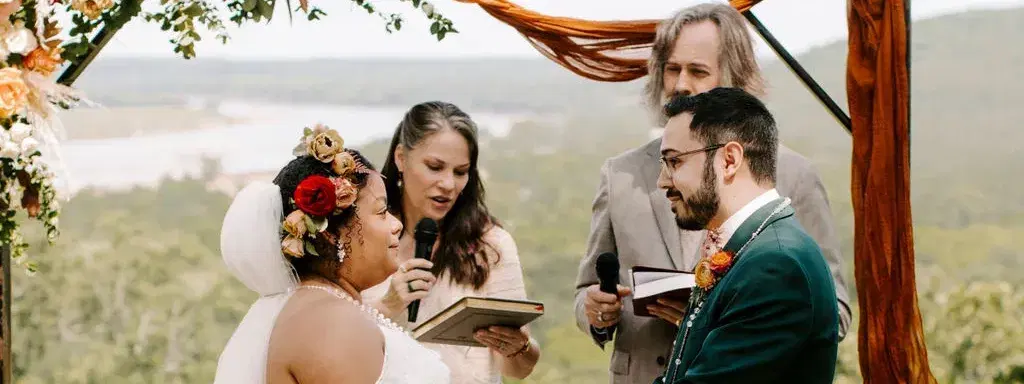
Watching two hearts join in marriage is one of life's most magical moments. Whether you're a close friend, family member, or someone called to serve couples in their special moment, learning how to officiate a wedding opens the door to creating unforgettable memories. This guide walks you through everything you need to know about wedding officiant duties, from the legal requirements to delivering a ceremony that moves hearts and celebrates love in all its beautiful forms.
Being a wedding ceremony officiant means stepping into a role that's both deeply personal and legally significant. Your primary responsibility is ensuring the couple's marriage is legally recognized while creating a ceremony that reflects their unique love story.
Wedding officiant responsibilities begin long before the wedding day. You'll need to verify that you're legally authorized to perform marriages in your state or jurisdiction. Some states require officiants to register with local authorities, while others simply require proof of ordination or certification.
Each state has different wedding officiant requirements. Most require officiants to be at least 18 years old and legally ordained or appointed. You'll also need to ensure the marriage license is properly completed and filed within the required timeframe—typically within 10-30 days of the ceremony.
Communication forms the heart of exceptional wedding officiant services. Meet with couples well before their big day to understand their vision, values, and any special traditions they want to include. This conversation helps you craft a ceremony that truly represents their journey together.
Wondering how to become a wedding officiant? The path varies depending on your location and the type of officiant you want to become. Many people choose online ordination through recognized religious organizations, which is legally valid in most states.
Wedding officiant training can happen through various channels. Religious leaders often have formal training through their denominations. For others, online platforms offer comprehensive courses covering ceremony structure, public speaking, and legal requirements.
The process typically takes just a few days to a few weeks, depending on your chosen path. Some states also allow judges, justices of the peace, or ship captains to perform marriages without additional ordination.
Consider joining professional associations for wedding officiants. These organizations provide ongoing education, networking opportunities, and resources to help you grow in your role while staying current with legal changes and ceremony trends.
Pro Tip: Many successful officiants recommend shadowing experienced wedding officiants before performing your first ceremony. This hands-on learning helps you understand ceremony flow and timing while building confidence.
Every couple dreams of a ceremony that feels uniquely theirs. As their officiant, you'll help bring that vision to life through thoughtful planning and personalized touches that celebrate their love story.
Start with a comprehensive meeting to discuss the couple's preferences. Ask about their relationship story, shared values, and any cultural or religious traditions they want to include. This information becomes the foundation for a meaningful ceremony script.
Discuss ceremony length, tone, and special elements like unity ceremonies, handfasting, or cultural rituals. Some couples prefer traditional vows, while others want to write their own or blend different traditions.
Create a personalized ceremony that reflects the couple's personality. Include stories about how they met, their shared adventures, or meaningful quotes that represent their relationship. This personal touch transforms a standard ceremony into something truly memorable.
The wedding day requires careful preparation and smooth execution. Following these essential steps ensures everything flows beautifully from processional to recessional.
Arrive at least 30 minutes early to coordinate with other vendors and address any last-minute details. Review your script one final time and ensure you have all necessary documents, including the marriage license and any readings or vows.
Connect with the wedding party to confirm processional order and any special instructions. A quick sound check with the microphone (if used) prevents technical difficulties during the ceremony.
Begin with a warm welcome that sets the tone for celebration. Guide guests through each element smoothly, whether it's the exchange of vows, rings, or special unity ceremonies. Your calm presence helps everyone feel at ease.
When it's time for the magical moment, pronounce the couple married with joy and confidence. This declaration marks the official beginning of their married life together.
After the ceremony, ensure the marriage license is properly signed by required witnesses and yourself. File the license with appropriate authorities within the legal timeframe to make the marriage official.
Professional wedding officiant etiquette helps create a respectful, joyful atmosphere that honors the couple and their guests while maintaining the ceremony's sacred nature.
Wedding officiant attire should complement the wedding's style and formality level. For formal weddings, consider a dark suit or appropriate religious garments. Beach or casual weddings allow for lighter, more relaxed clothing while still maintaining a professional appearance.
Always ask the couple about their preferences for your attire. Some couples want their officiant to blend seamlessly with the wedding party, while others prefer a more traditional or distinctive look that sets you apart.
Weddings sometimes include surprises—from weather changes to emotional moments that need extra time. Stay flexible and calm, helping the couple navigate any challenges while keeping the focus on their love and commitment.
These wedding officiant tips help you create ceremonies that touch hearts and create lasting memories for couples and their loved ones.
Practice your script multiple times before the wedding day. Speak slowly and clearly, making eye contact with both the couple and their guests. Your warm, confident delivery helps everyone feel connected to this special moment.
If you feel nervous, remember that everyone present wants you to succeed. Focus on the couple's love story and the joy of the occasion to help calm pre-ceremony jitters.
Look for opportunities to include guests in meaningful ways, whether through responsive readings, moments of blessing, or cultural traditions that honor the couple's heritage. These inclusive touches make everyone feel part of the celebration.
Legal requirements vary by state but typically include being at least 18 years old and properly ordained or certified. Some states require registration with local authorities, while others accept proof of ordination. Always check your specific state's requirements before officiating.
The timeline depends on your chosen path. Online ordination can take just a few minutes to a few days, while traditional religious training may take weeks or months. Most people can become legally authorized to officiate within 1-2 weeks.
Your attire should match the wedding's formality and style. For formal weddings, choose a dark suit or appropriate religious garments. Casual or outdoor weddings allow for lighter, more relaxed clothing while maintaining professionalism. Always discuss preferences with the couple.
Most states allow various people to officiate weddings, including ordained ministers, judges, justices of the peace, and in some cases, ship captains or other appointed officials. However, specific requirements vary by location, so check your local laws.
Professional wedding officiant fees range from $200 to $800 or more, depending on location, experience, and services included. Friends or family members often officiate for free or for the cost of ordination and travel expenses.
Learning how to officiate a wedding opens doors to creating beautiful, meaningful moments that couples will treasure forever. Whether you're starting a professional officiant practice or helping beloved friends tie the knot, your role in their love story becomes part of something truly magical. Take time to prepare thoroughly, communicate openly with couples, and remember that your presence helps create one of the most important days of their lives together.