Luxury Wedding
•03 min read
Architectural lighting design for wedding receptions transforms venues into immersive environments where light becomes an active participant in your celebration. What distinguishes architectural illumination from standard event lighting lies in its strategic integration with existing structures, creating depth and dimension that enhances both intimate moments and grand gestures. Your wedding planner coordinates with lighting designers to ensure every beam, shadow, and glow serves the evening's emotional arc.
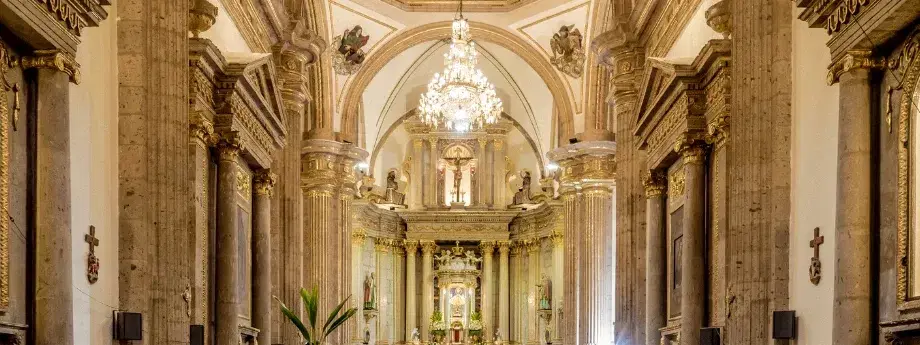
Architectural lighting design approaches your reception venue as a three-dimensional canvas. Professional lighting designers analyze structural elements—columns, archways, ceiling height, wall textures—to determine how light can accentuate or transform these features. This methodology creates layers of illumination that guide guest attention and establish atmospheric zones throughout your celebration space.
The psychology of architectural lighting influences how guests experience your reception. Warm color temperatures around 2700K create intimacy during dinner service, while cooler tones can energize the dance floor later in the evening. Your lighting designer calibrates these transitions to support the natural flow of your celebration.
How does architectural lighting differ from standard wedding lighting?
Architectural lighting integrates with venue structures to create immersive environments, while standard event lighting typically focuses on functional illumination and basic ambiance.
Uplighting for weddings serves as the foundation of architectural illumination, washing walls and structural elements in carefully selected hues. This technique highlights the venue's inherent beauty while establishing your celebration's color palette. Professional installations position fixtures to avoid harsh shadows and ensure even coverage across architectural surfaces.
Ambient lighting wedding strategies layer multiple light sources to create depth:
Pin spotting illuminates centerpieces and focal points with precision
Gobo projection adds personalized patterns to walls and ceilings
Linear LED installations outline architectural features
Chandelier enhancement amplifies existing venue fixtures
Color temperature coordination ensures cohesion across all lighting elements. Your lighting designer selects temperatures that complement your floral palette and enhance skin tones in photography.
Wedding lighting trends for 2024-2025 emphasize programmable systems that adapt throughout your reception. Smart lighting controls allow seamless transitions from cocktail hour warmth to dinner elegance to dance floor energy. These systems respond to music, creating synchronized light shows that enhance entertainment without overwhelming conversation.
Sustainable LED solutions dominate luxury wedding lighting, offering superior color accuracy and energy efficiency. Modern LED fixtures produce virtually no heat, protecting delicate florals and ensuring guest comfort during extended celebrations.
What are the most impactful lighting trends for receptions?
Programmable LED systems with music synchronization and projection mapping for personalized design elements are defining contemporary luxury wedding lighting.
Historic venues require lighting designs that honor architectural integrity while adding contemporary drama. Lighting designers often use hidden fixtures to illuminate original details—carved moldings, frescoed ceilings, stone archways—without compromising the venue's character.
Modern spaces benefit from bold lighting choices that enhance clean lines and geometric forms. Linear LED installations can emphasize contemporary architecture, while color-changing systems create dynamic environments that evolve throughout your celebration.
Wedding decor lighting coordination requires collaboration between your lighting designer, florist, and wedding planner. Lighting placement must accommodate floral installations while enhancing their visual impact. Uplighting positioned behind arrangements creates dramatic silhouettes, while pin spotting highlights specific blooms or design details.
Romantic wedding lighting emerges through layered illumination that creates intimate pockets within larger spaces. Soft uplighting combined with candlelight establishes warmth, while strategic shadows add mystery and depth to your reception environment.
Pearl Planner helps coordinate these complex vendor relationships, ensuring your lighting designer receives detailed information about floral placements and decor elements well before installation day.
Luxury wedding lighting represents a significant design investment, typically ranging from $8,000 to $25,000 for comprehensive architectural installations. This investment reflects the specialized equipment, design expertise, and installation complexity required for professional results.
Your wedding planner evaluates lighting proposals based on design cohesion, technical specifications, and installation logistics. Professional lighting designers provide detailed renderings and equipment specifications, ensuring transparency in both vision and investment.
When should lighting design be finalized in the planning timeline?
Architectural lighting design should be confirmed 6-8 months before your wedding to allow for custom programming and coordination with other vendors.
Architectural lighting design for wedding receptions creates environments where illumination becomes an integral part of your celebration's narrative. The interplay between light, architecture, and design elements establishes atmospheric depth that enhances every moment, from intimate dinner conversations to exuberant dance floor celebrations. When executed with precision and artistry, lighting design ensures your reception space feels as carefully curated as every other element of your wedding weekend.