Indian Wedding Events Explained: Mehndi, Sangeet, Haldi & More
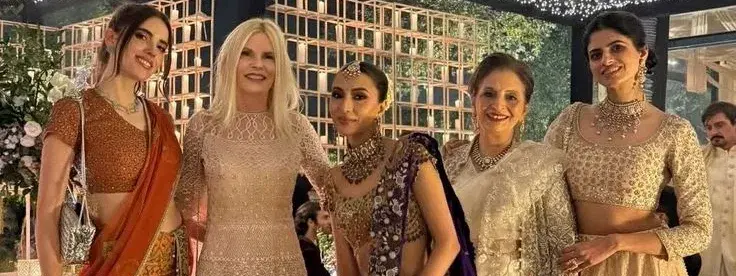
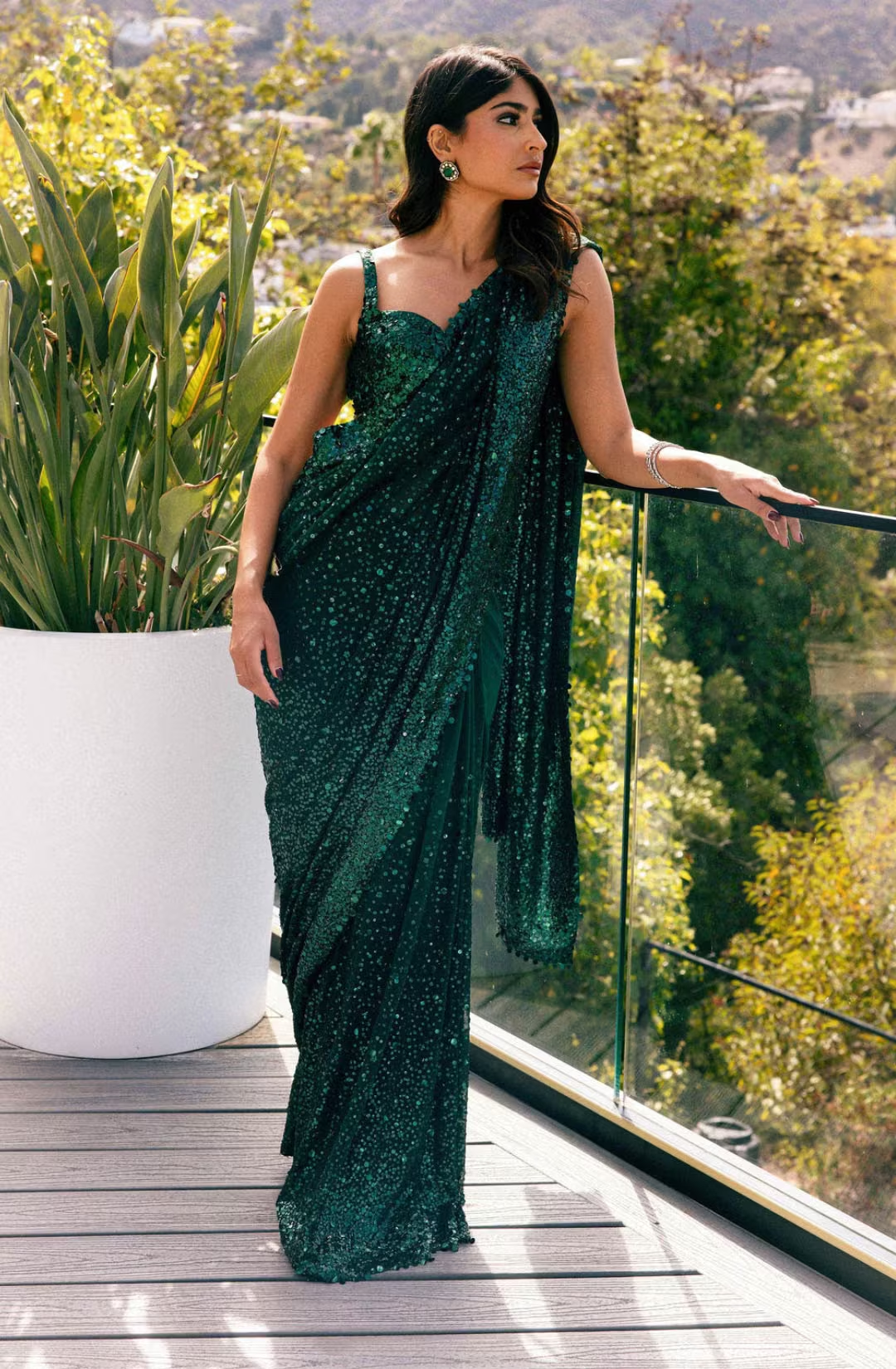
Indian weddings are vibrant, multi‑day celebrations filled with color, music, and deeply meaningful traditions. If you’re familiar only with Western wedding timelines, these events may feel entirely new. And each one comes with its own purpose, atmosphere, and dress expectations to boot! Whether you’re attending as a close friend, extended family member, or a first‑time guest unfamiliar with the customs, this guide breaks down the most common Indian wedding events so you’ll know exactly what to expect and what to wear.
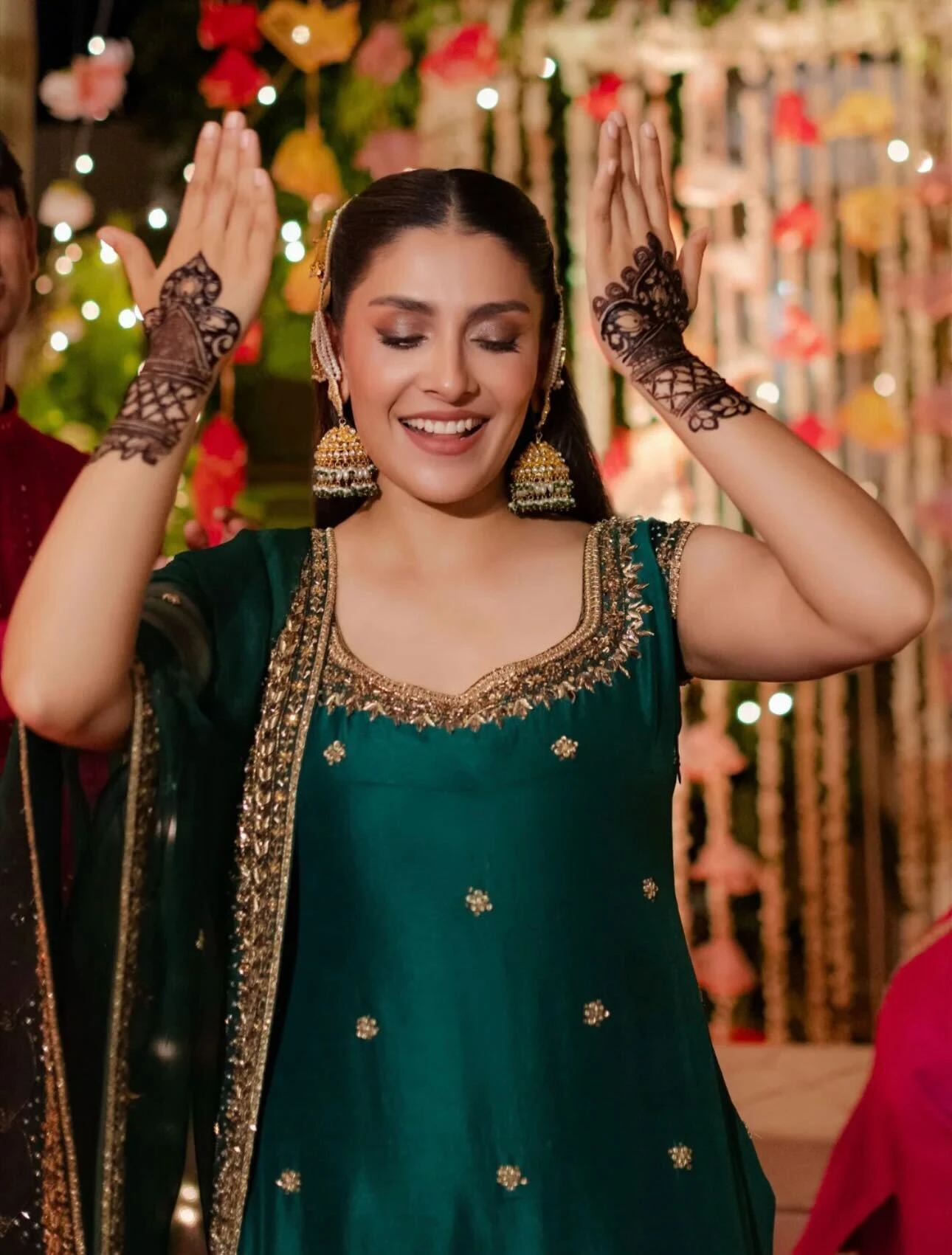
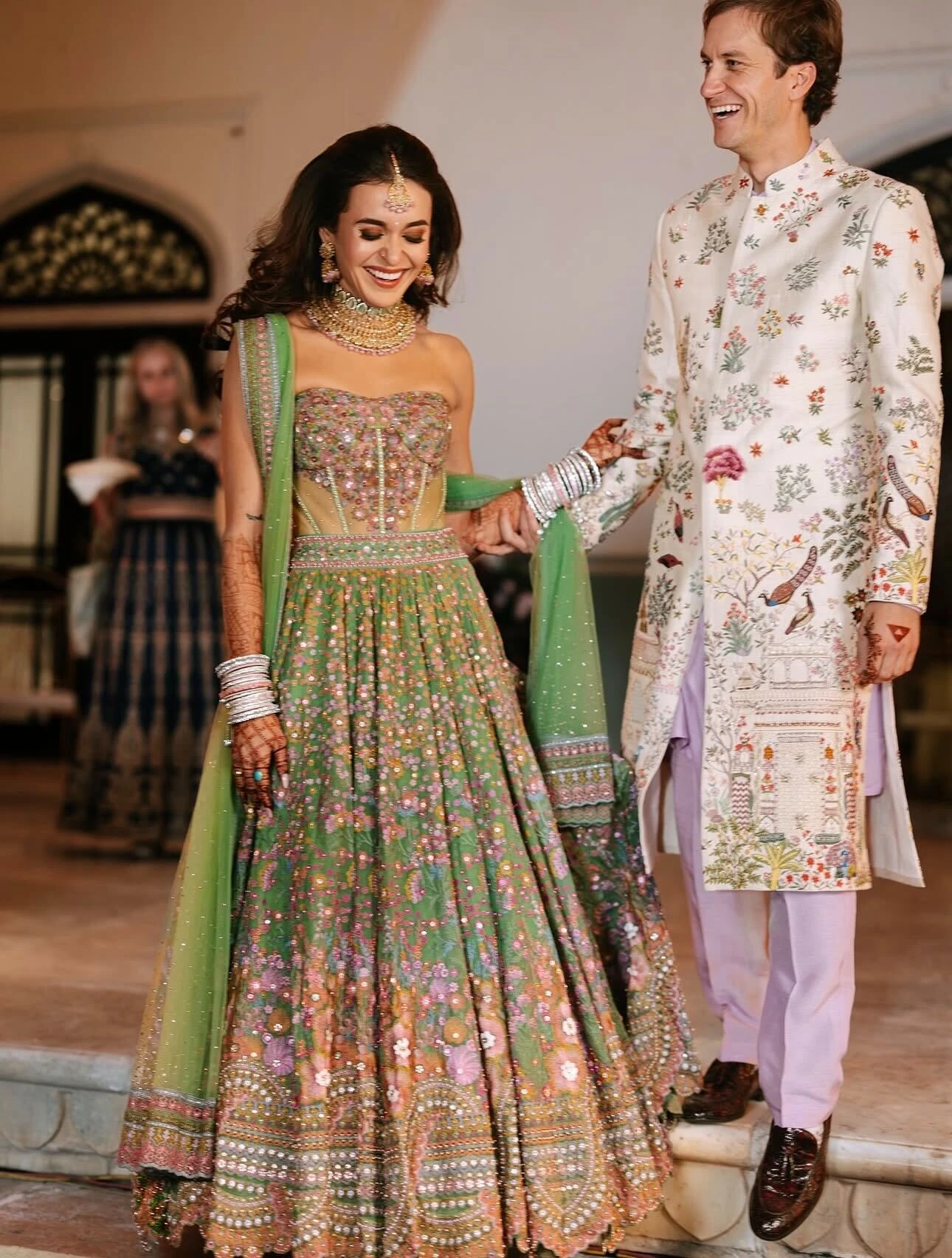
The Mehndi is usually one of the first pre‑wedding events and is known for its relaxed, joyful energy. During this celebration, the bride receives intricate henna designs on her hands and feet, and guests—especially women—often get small designs as well. Expect bright décor, music, laughter, and plenty of photos.
Because the bride and many guests will be sitting for long periods while their henna dries, comfortable and breathable outfits are key. Lightweight lehengas, sharara sets, or printed/pre‑draped saris are all perfect choices. Greens are especially popular for this event, along with other vibrant, festive colors. Fabrics like chiffon, georgette, organza, or soft cotton keep things easy during a daytime celebration.
Men: A simple kurta pajama in green, teal, mint, or mustard fits the tone.
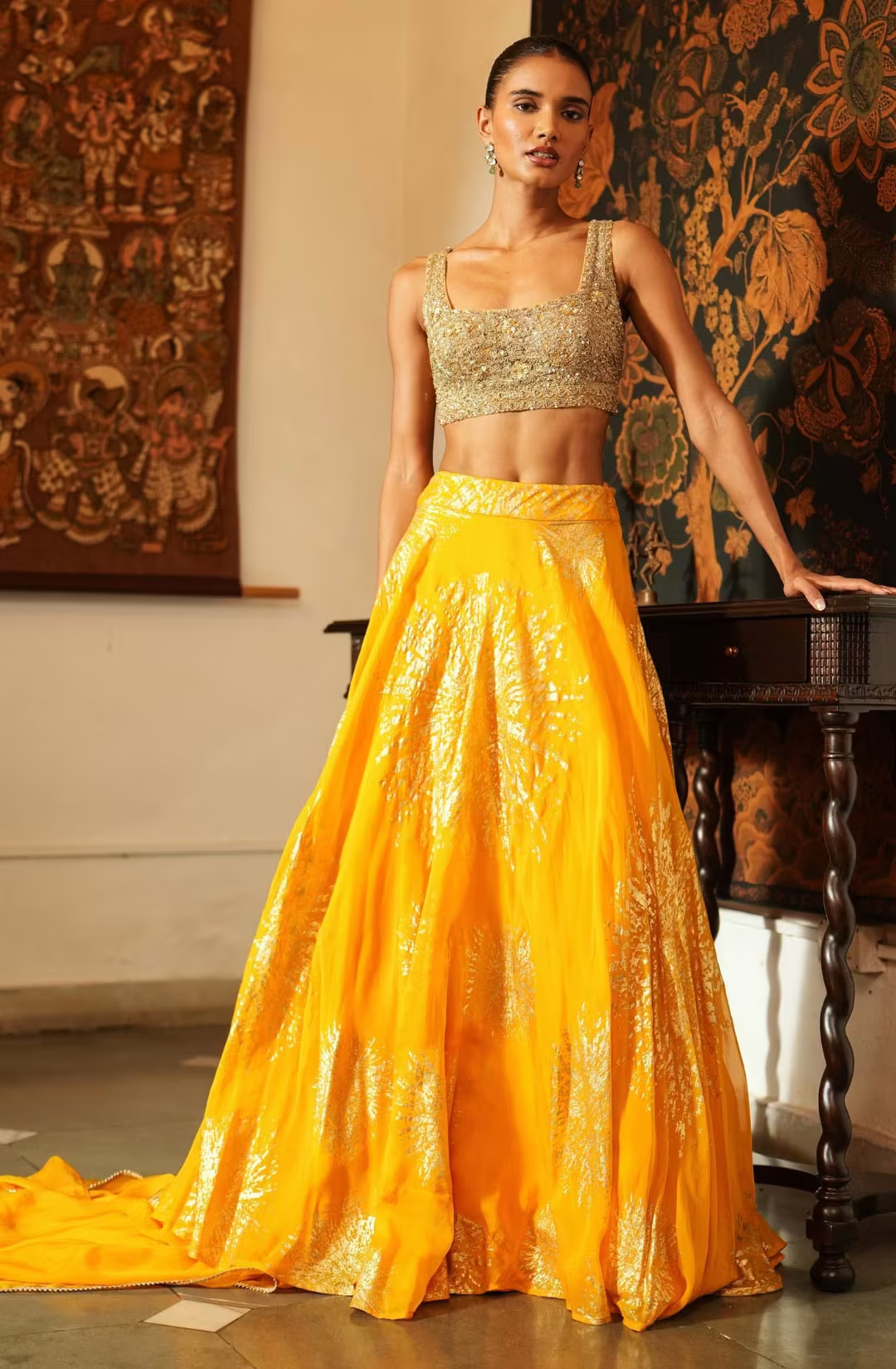
The Haldi ceremony is one of the most playful and intimate pre‑wedding rituals. In this event, close family and friends apply a turmeric-based paste to the bride and groom as a blessing. It’s a joyful gathering, but it can also get messy—turmeric stains!
Choose something in shades of yellow, mustard, marigold, or soft orange. These colors reflect the spirit of the ceremony and camouflage any turmeric splashes. Anarkalis, skirt sets, lightweight saris, or simple kurta sets work beautifully. Keep accessories minimal, and opt for footwear you won’t worry about staining.
Men: A yellow or mustard kurta with white or cream pants works perfectly.
-91d50166-2fdd-47aa-8db1-ea22912b5060.webp)
The Sangeet is a lively evening celebration dedicated to dancing, music, and choreographed performances by family and friends. It’s glamorous, energetic, and often one of the biggest parties of the wedding week.
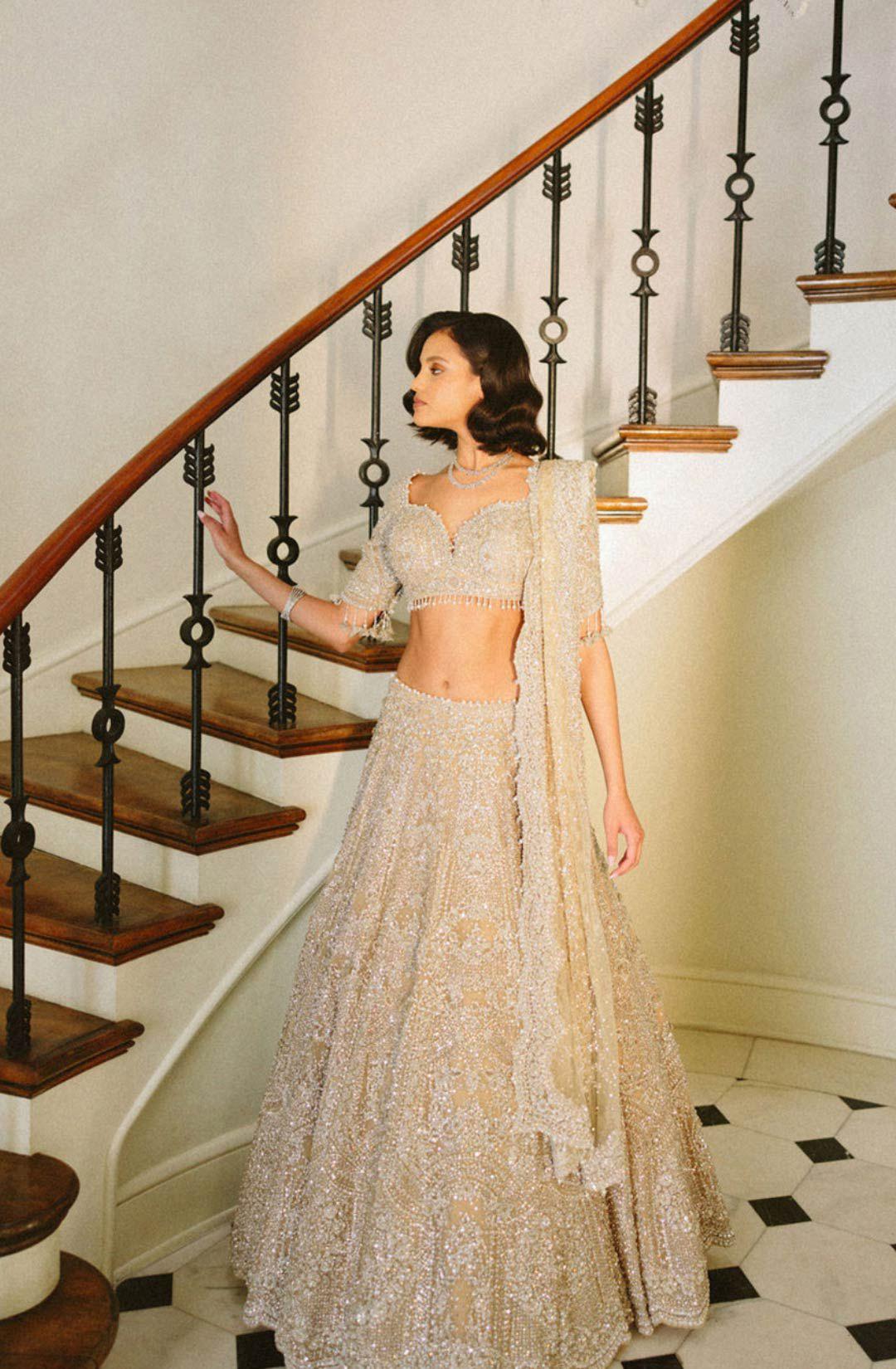
This event calls for sparkle, movement, and fun. Dance‑friendly lehengas, pre‑draped saris, or modest evening gowns are great options. Look for secure blouses, breathable linings, and silhouettes that let you move comfortably. Jewel tones—like sapphire, emerald, plum, ruby, or magenta—as well as metallics and sequins, are especially fitting for the stage lights and festive atmosphere.
Men: A kurta with a Nehru jacket or a tailored sherwani if you’re close family.
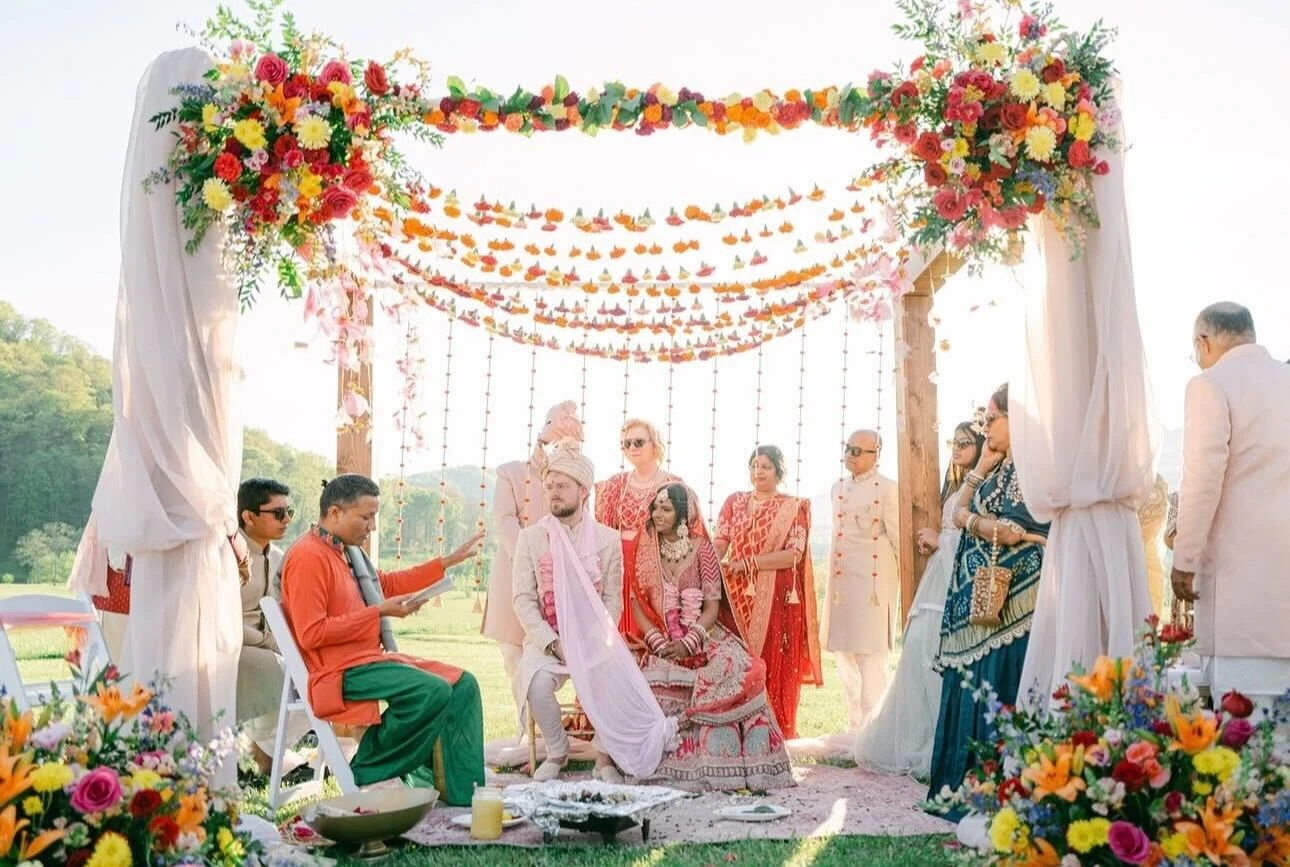
The wedding ceremony—often referred to as the Pheras or Pherey—is the spiritual heart of the celebration. Held under a decorated mandap (sacred canopy), the couple takes seven symbolic vows around a ceremonial fire. The tone is elegant, reverent, and deeply rooted in tradition.
This is the moment to choose your most traditional and respectful outfit. Women typically wear saris or lehengas in silk, brocade, or other elevated fabrics. For daytime ceremonies, pastels and soft tones look beautiful; for evening ceremonies, jewel tones feel regal. Avoid wearing red (reserved for many brides), white (associated with mourning in many Indian cultures), and black (considered inauspicious). A dupatta draped over the shoulders adds modesty and grace.
Men: A sherwani or formal kurta with a coordinating stole is standard for this event.
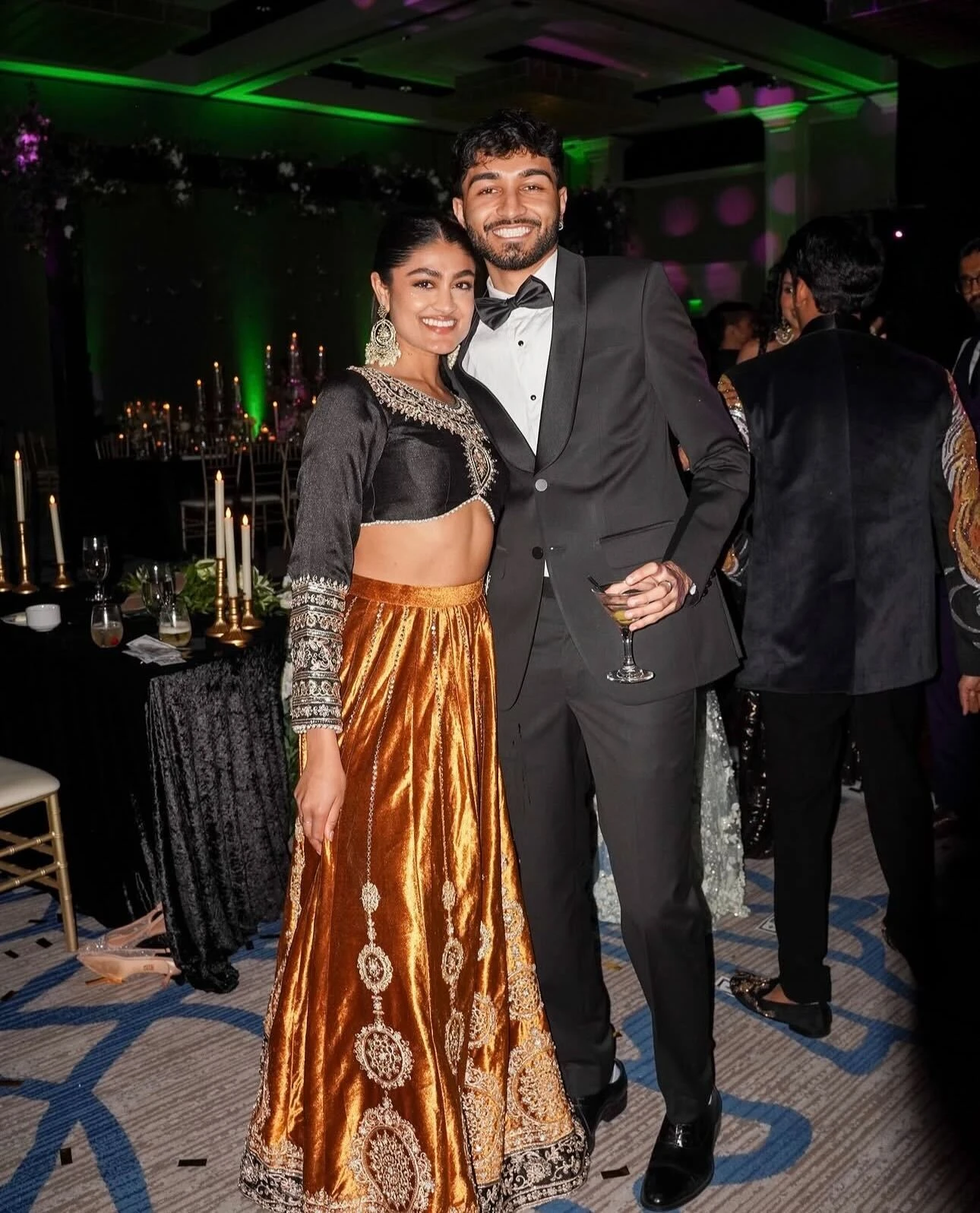
The reception is typically the final celebration of the wedding events and often blends traditional and modern elements. Expect speeches, dinner, dancing, and some of the most glamorous outfits of the week.
Women often choose embellished gowns, contemporary saris, or statement lehengas in metallics, champagne tones, deep jewel colors, or modern pastels. This is the best event for more dramatic eveningwear, though modesty and comfort still matter. Statement earrings and a refined clutch complete the look.
Men: A tailored suit or a formal kurta with a jacket, depending on the dress code.
Indian weddings are rooted in cultural tradition, so leaning toward modest silhouettes is always appreciated. A dupatta can be draped over the shoulders or across the front for added coverage. Choose comfortable shoes—block heels, wedges, or flats—since events often involve standing, walking, and dancing. If any part of the ceremony is held in a temple or gurdwara, women may be asked to briefly cover their heads; a dupatta works perfectly for this.
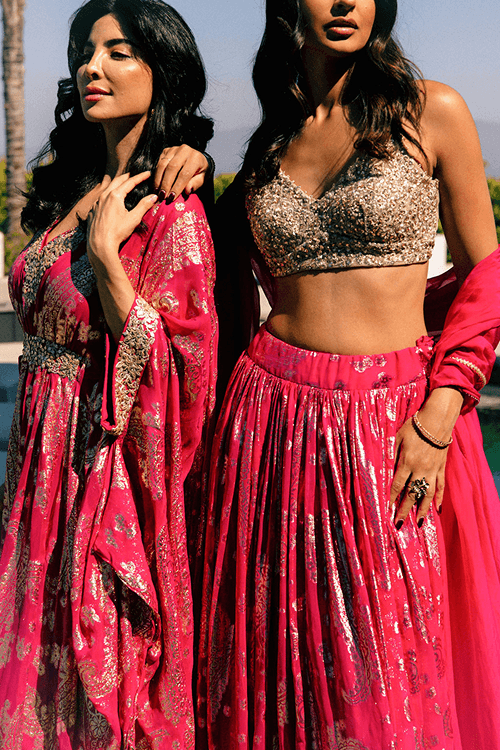
For guests new to traditional Indian attire, both saris and lehengas are beautiful and appropriate. Pre‑draped saris and lightweight lehengas offer an easier, more beginner‑friendly experience while still looking elegant in photos.
Festive, modest outfits in bright colors. Traditional clothing like saris, lehengas, shararas, or salwar suits is encouraged for women; men typically wear kurtas or sherwanis.
Yes—most weddings include several events, and guests usually wear a different look to each one.
Avoid red (often worn by the bride), white (associated with mourning in many communities), and black (considered inauspicious) at the ceremony.
Absolutely. Guests of all backgrounds are welcome to dress in traditional Indian attire, and it’s often seen as respectful.
Light, bright outfits—especially greens—such as lehengas, shararas, or printed saris.
Wear yellow or marigold tones in garments you won’t mind getting turmeric on.
For the Sangeet or reception, a modest evening gown is totally appropriate. For the ceremony, opt for Indian attire.
A sari is a long piece of draped fabric worn over a blouse and petticoat. A lehenga is a skirt + blouse + dupatta set—often chosen for ease and movement.
Indian weddings are joyful, multi‑layered celebrations where every event holds its own meaning, energy, and style. Whether you're attending your first Mehndi or watching the couple take their sacred vows, understanding the flow of these traditions helps you show up with confidence, respect, and a sense of connection. By choosing colors and silhouettes that honor each moment, you become part of the celebration in a meaningful way. As we continue exploring cultural wedding traditions from around the world, we hope guides like this make every invitation feel a little more exciting—and a lot less intimidating!