Indian Fusion Weddings: What They Are, How They Work, and What to Expect
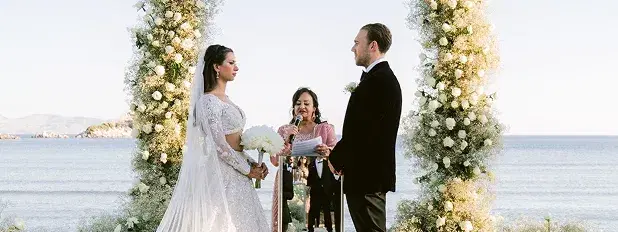
Quick answer: An Indian fusion wedding intentionally blends two cultures—often Indian and Western—by combining select rituals, fashion, food, music, and timelines in a way that honors both families and feels authentic to the couple. Expect a shorter, guest‑friendly ceremony (or two mini‑ceremonies), mixed‑cuisine menus, dual‑style fashion changes, and thoughtful explanations so everyone understands the meaning behind the moments.
Indian fusion weddings aren’t “half this, half that.” They’re designed, on purpose, to create a celebration that’s inclusive, meaningful, and unmistakably you. Below, we break down what defines a fusion wedding, how it differs from traditional Indian and Western formats, and the details—ceremony flow, attire, food, music, and family expectations—you’ll want to plan for.
At its core, an Indian fusion wedding is a thoughtful blend of two heritages (for example, Indian and American, Indian and Irish, Indian and Jewish) where couples choose which customs, symbols, and moments matter most—then design a celebration that reflects both. The focus is on intention: keep what’s meaningful, explain it so guests feel included, and let the rest go.
Traditional Indian weddings often span multiple days (Mehndi, Haldi, Sangeet, ceremony, reception), with each event carrying its own mood, attire, and rituals. Western weddings typically take place over a single day—ceremony, cocktail hour, and reception. Fusion couples frequently condense everything into one or two days, honoring the major cultural moments while still delivering a streamlined experience for guests.
Hindu ceremonies can last one to three hours and feature symbolic rituals like the pheras, mangalsutra, and blessings. Western ceremonies are shorter and more focused on vows, readings, and personal elements. Fusion weddings often shorten or blend rituals, or pair a brief Hindu ceremony with a vow exchange so guests understand the meaning without losing the spirit of either tradition.
Host a traditional Hindu ceremony in the morning followed by a Western vow exchange later in the day. This allows each tradition to shine in its own dedicated moment.
Weave Western vows, readings, or ring exchanges into key Indian rituals like the pheras, mangalsutra, or sindoor. Adding a thoughtful program or brief officiant explanations helps guests follow along.
Invite both a pandit and a Western officiant to co‑lead the ceremony, alternating sections so each culture is equally represented.
Fusion weddings are as much about communication as they are about color palettes. Set expectations early with both families about what’s non‑negotiable, what’s optional, and how you plan to honor each side. Sharing your vision upfront—especially if parents imagined something more traditional—helps everyone feel respected and included as the celebration comes together.
One of the most joyful parts of a fusion wedding is the fashion—because when two cultures come together, the wardrobe possibilities multiply. Many couples treat the day as a chance to honor tradition and express their personal style, moving seamlessly between silhouettes.
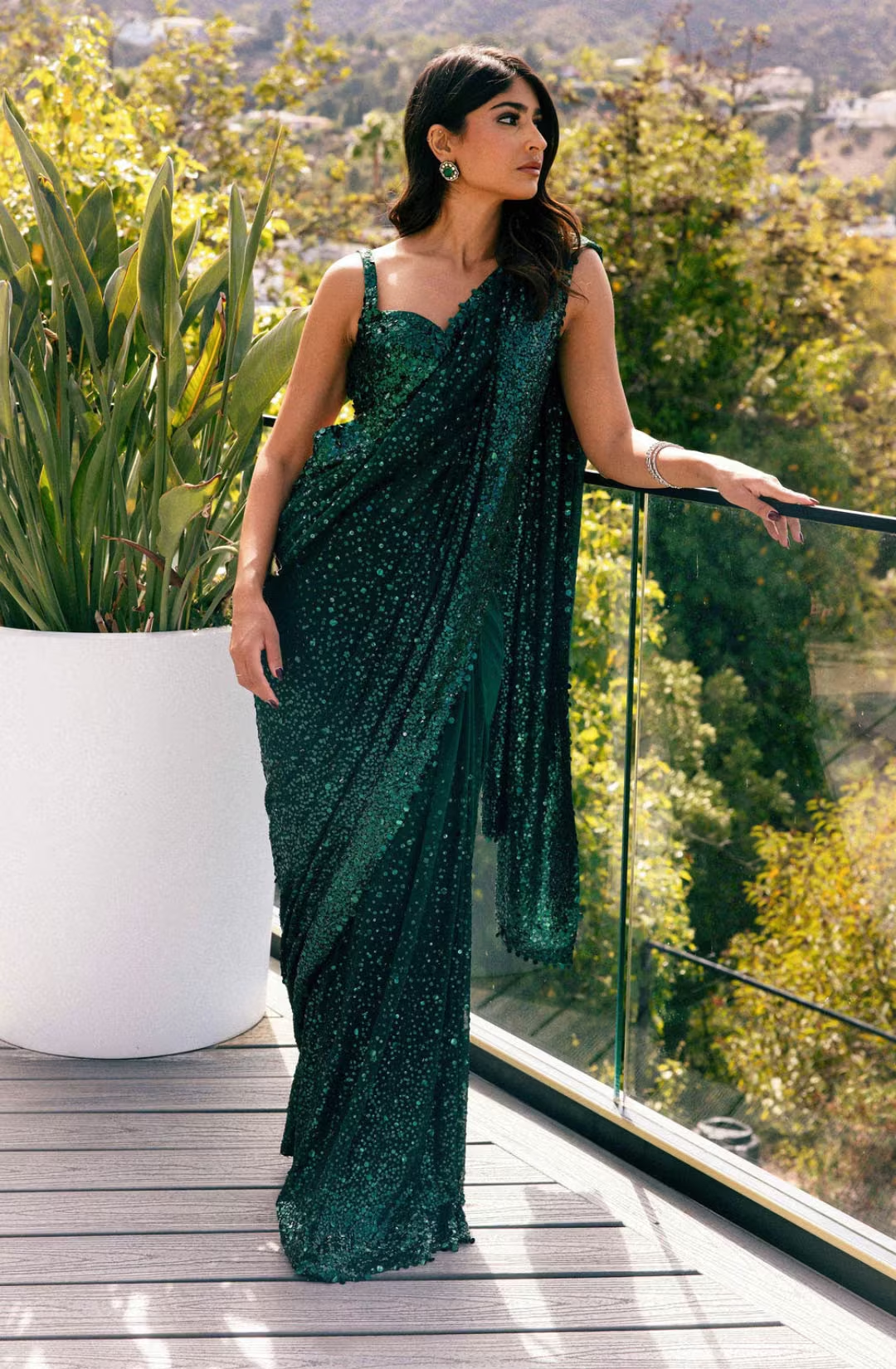
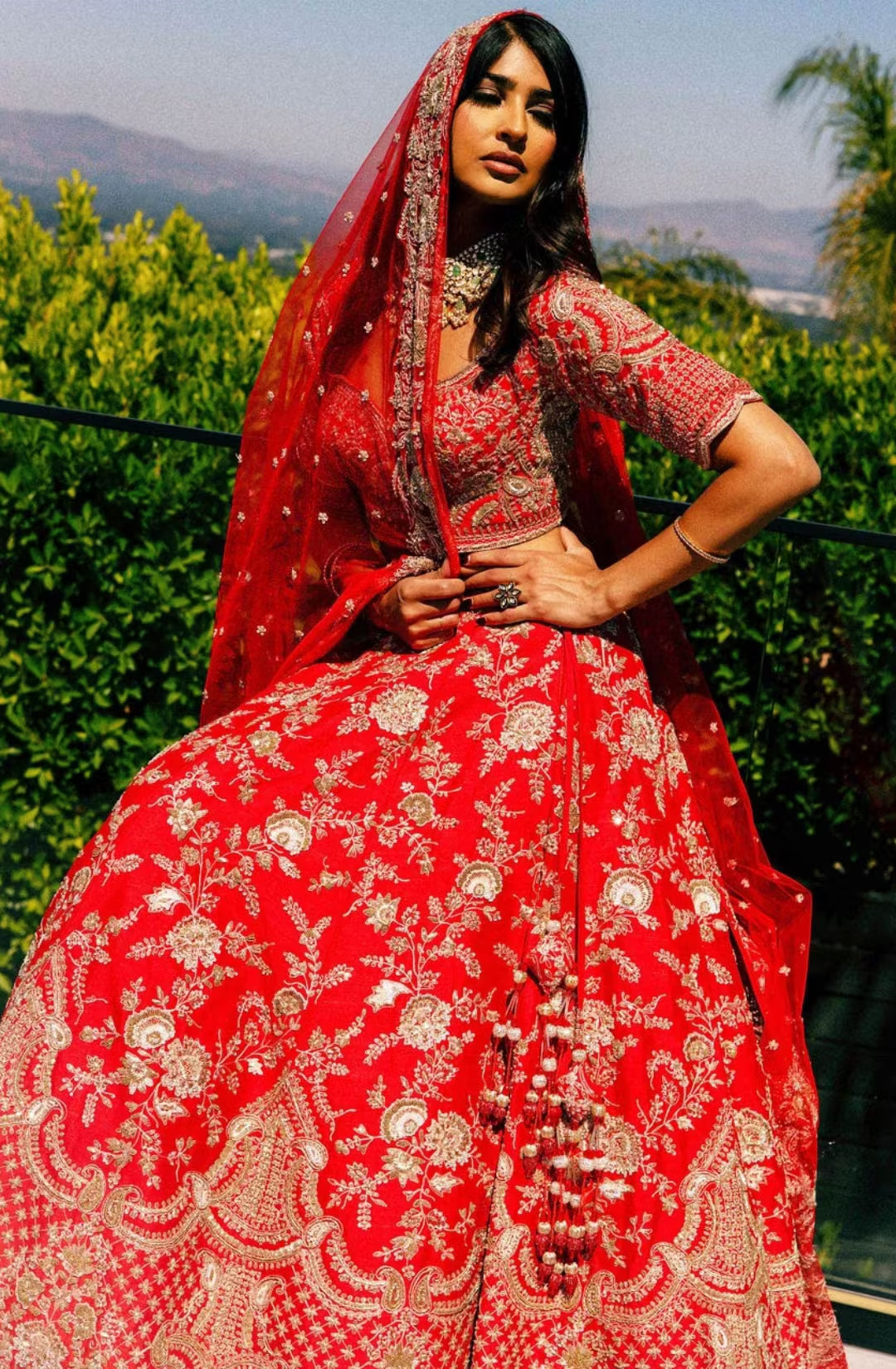
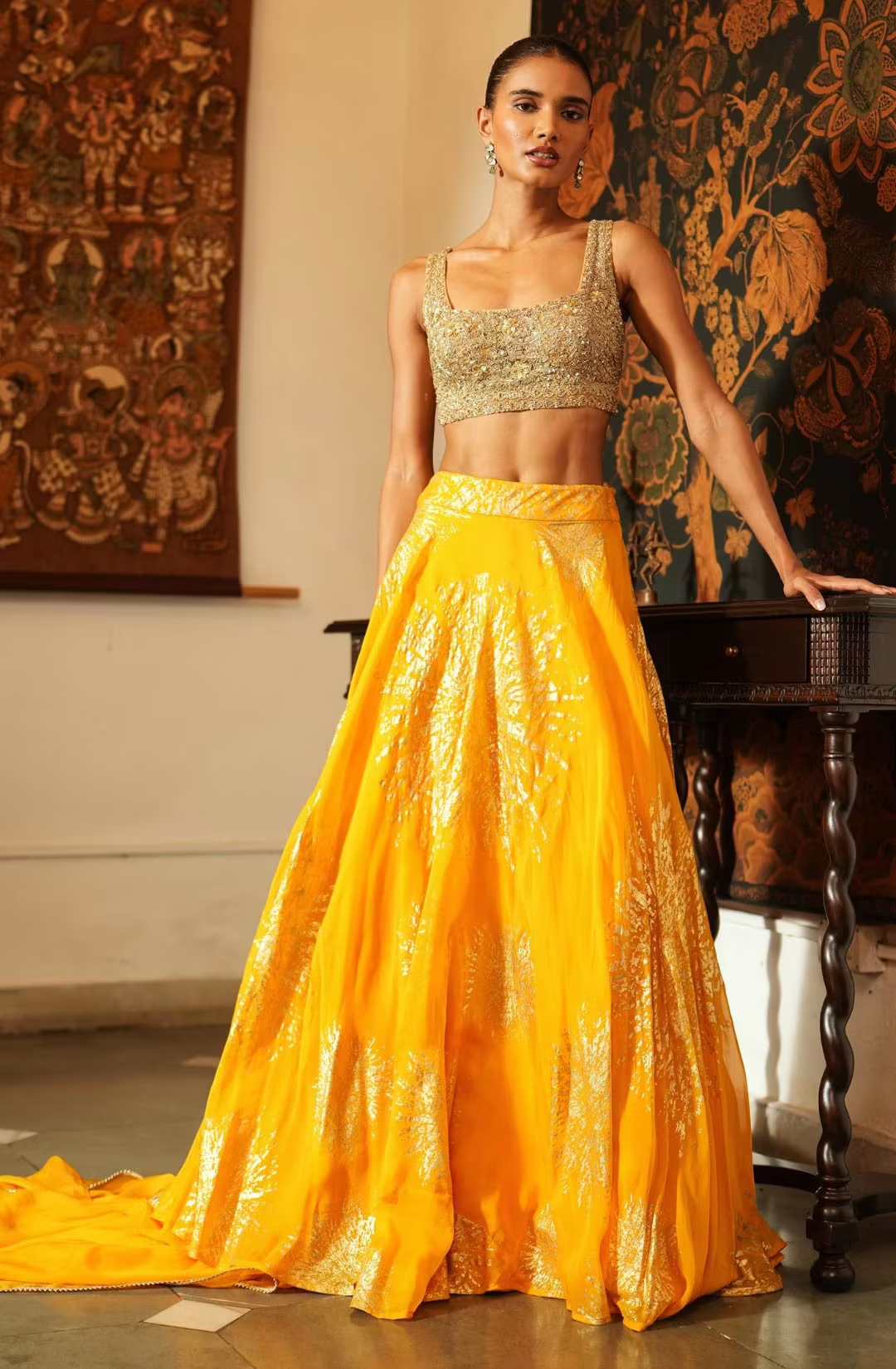
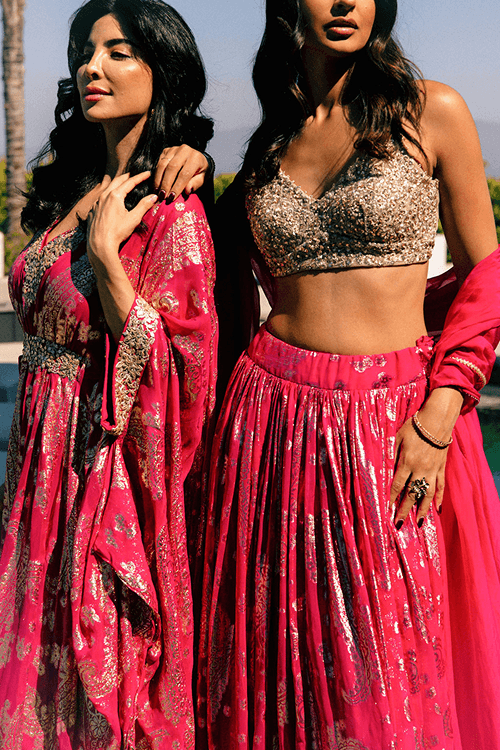
For many brides, that means embracing the best of both worlds: a richly embroidered lehenga or sari for the ceremony, followed by a sleek gown or modern evening dress for the reception. Others flip the order, beginning the day in a white dress and changing into vibrant Indian attire for the festivities ahead.
Grooms get to play, too. Traditional sherwanis or bandhgalas may open the day, while a tailored tux or suit takes over for the evening. And sometimes the two blend right into each other—think a sherwani-inspired jacket worn with tuxedo elements, or a Western suit accented with a safa, stole, or mojris.
Wedding parties often reflect this blending as well, mixing sarees and lehenga sets with coordinated Western dresses or connecting both styles through cohesive color palettes. No matter the combination, fusion-wedding fashion is about celebrating identity on your own terms—beautifully, boldly, and with intention.
If there’s one place guests will remember your fusion wedding forever, it’s the food and the music. These two elements carry so much cultural personality—and when they’re woven together thoughtfully, they create an atmosphere that feels immersive, joyful, and unmistakably yours.
Menus often mix familiar favorites with playful, cross‑cultural twists: a chaat station alongside a charcuterie board, butter chicken sliders next to classic entrées, or delicately spiced appetizers paired with pasta or steak. Dessert becomes its own spectacle—a tiered cake decorated with henna‑inspired patterns sitting beside trays of mithai or macarons.
The soundtrack follows the same spirit of blending. A fusion wedding might open with the heart‑thumping rhythm of a baraat or dhol performance, shift into a Western processional for the ceremony, and later bring everyone to the dance floor with a mix of Bollywood, bhangra, Top 40, R&B, and Latin hits. The beauty of a fusion playlist is that it doesn’t belong to any one tradition—it belongs to the couple and the community they’re bringing together.
Fusion weddings shine brightest when the experience feels cohesive—honoring tradition while welcoming guests into something new and inviting. Décor is one of the easiest ways to strike that balance.
Many couples lean into Indian weddings’ signature color and richness for the ceremony—think jewel tones, lush florals, or a mandap that reflects both cultures’ aesthetics—then shift to a more modern or minimal look for the reception. Metallics, neutrals, candles, and greenery often play beautifully against the vibrant palette earlier in the day.
Most importantly, fusion décor works best when it helps guests feel grounded. Signage explaining major rituals, ceremony programs with a sentence or two of context, and small nods to both cultures (like bilingual welcome cards or table names inspired by meaningful places) help everyone feel a sense of belonging.
And somewhere in the day, couples often plan one intentional “unity moment”—a shared reading, symbolic gesture, or family blessing that reflects both heritages. It’s a quiet but powerful way to bring two worlds together in front of everyone you love.
Every fusion wedding looks different, but many couples follow a flow that balances tradition, clarity, and celebration. A blended‑ceremony day might feel something like this:
Getting ready in traditional attire, surrounded by family and small symbolic blessings that set the tone.
A blended ceremony beneath a mandap or arch—streamlined to 30–60 minutes—with short explanations woven into the program so guests stay engaged.
East‑meets‑West hors d’oeuvres and signature cocktails while guests mingle, explore décor, and take photos.
An outfit change, formal entrances, heartfelt toasts, and a dance floor that evolves from first dances into a blend of Bollywood, bhangra, and Western hits well into the night.
This flow preserves the heart of tradition while keeping the guest experience intuitive and welcoming.
Fusion weddings are beautiful—truly. But because they involve blending histories, families, and expectations, they can come with their own set of challenges. The good news? Most are easy to navigate with a little foresight.
One common pitfall is trying to include every ritual from both traditions. Instead, curate the moments that genuinely matter and offer brief explanations so guests stay engaged rather than overwhelmed.
Another challenge is assuming families will automatically understand what “fusion” means. Early conversations go a long way—especially when navigating parents’ expectations or long‑held cultural wishes. Sharing your plan upfront helps everyone feel respected and involved.
And finally, be mindful of pace. Fusion ceremonies can run long if they’re not thoughtfully outlined; aiming for a streamlined, intentional script keeps the experience meaningful without feeling drawn out.
A celebration that intentionally blends two cultures—rituals, attire, food, music—so both families feel honored and guests understand what’s happening. It’s curated, not “half‑and‑half.”
Not necessarily. Many couples host one blended ceremony or two shorter ceremonies on the same day. Choose the format that fits your families, timeline, and venue.
Plan for 30–60 minutes with brief explanations of each ritual via program or officiant—this keeps meaning and pace in balance.
Absolutely. Many couples combine Indian symbols (mangalsutra, sindoor, pheras) with Western rings and vows in one ceremony script.
Many brides choose a lehenga or sari for the ceremony and a white gown or evening dress later; grooms often shift from sherwani to tux/suit (or mix elements). Wondering what to wear as a guest at an Indian fusion wedding? Read our guide here!
Define non‑negotiables, communicate early and often, and design at least one moment where each family feels visibly included.
Blend both: a baraat or dhol set, first‑dance moment, and a playlist that moves between Bollywood/bhangra and Western hits; menus that pair Indian favorites with Western dishes or fun fusion bites.
Yes—many fusion couples shorten or select meaningful rituals and explain them to guests. The priority is authenticity and comprehension, not checking boxes.
The most successful fusion weddings keep one compass point in view: intention. Choose the rituals and moments that truly represent you, invite your families into the process early, and design the day so every guest—no matter their background—feels included in your story. That’s the magic of fusion: the whole becomes even more beautiful than its parts.