Ultimate Cross-Cultural Wedding Design Checklist
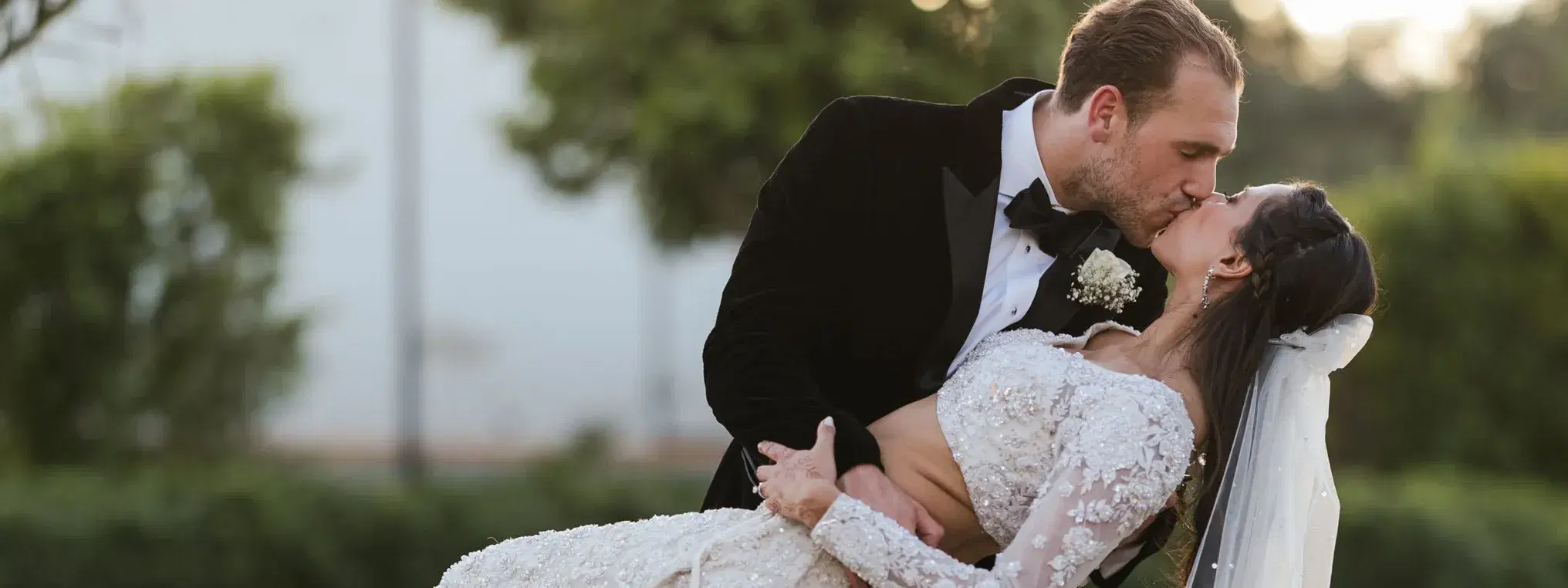
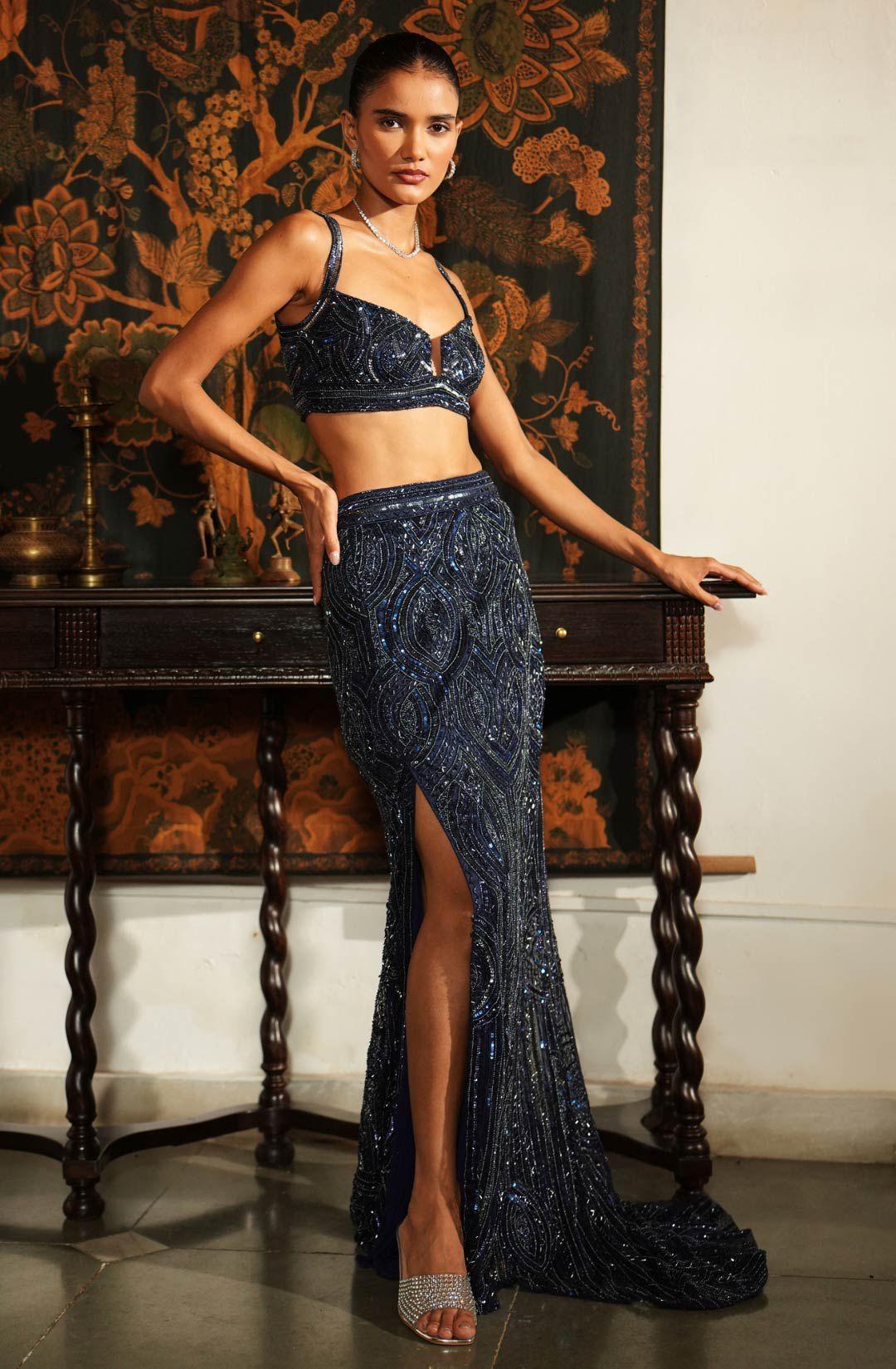
Planning a wedding that honors multiple cultural traditions while creating a unified celebration feels overwhelming. You want every guest to feel the beauty of both heritages, but how do you blend different customs without losing their sacred meaning? The answer lies in multi-sensory wedding design ideas for cross-cultural celebrations that engage every sense to tell your unique love story.
Start by listing the non-negotiable traditions from each culture. Maybe it's the Chinese tea ceremony that honors your grandparents, or the Indian mehendi celebration that brings women together. Write down what each ritual means to your families and why it matters.
Next, identify which elements can be adapted or combined. Some traditions work beautifully together, like incorporating henna designs into a Western bridal look or blending Celtic handfasting with African jumping the broom ceremonies.
Think beyond what guests see. Your cross-cultural wedding should engage all five senses to create lasting memories. Visual elements include colors, symbols, and cultural wedding decor. Auditory components span music, languages, and ceremonial sounds like bells or drums.
Tactile experiences might include fabric textures from traditional garments, ritual objects guests can touch, or interactive ceremonies. Taste profiles showcase fusion cuisine, while aromatic considerations include incense, flower garlands, or spice-scented candles.
Red symbolizes luck in Chinese culture and passion in Western traditions. Gold represents prosperity across many cultures. Find colors that carry positive meaning in both heritages to create your unified palette.
Consider seasonal elements too. Spring cherry blossoms work beautifully with soft pastels, while autumn celebrations can embrace rich jewel tones that honor both cultures' harvest traditions.
Layer meaningful artifacts throughout your venue. Display family photos from both sides, incorporate traditional textiles as table runners, or create ceremony backdrops that blend symbolic elements like Celtic knots with Indian paisley patterns.
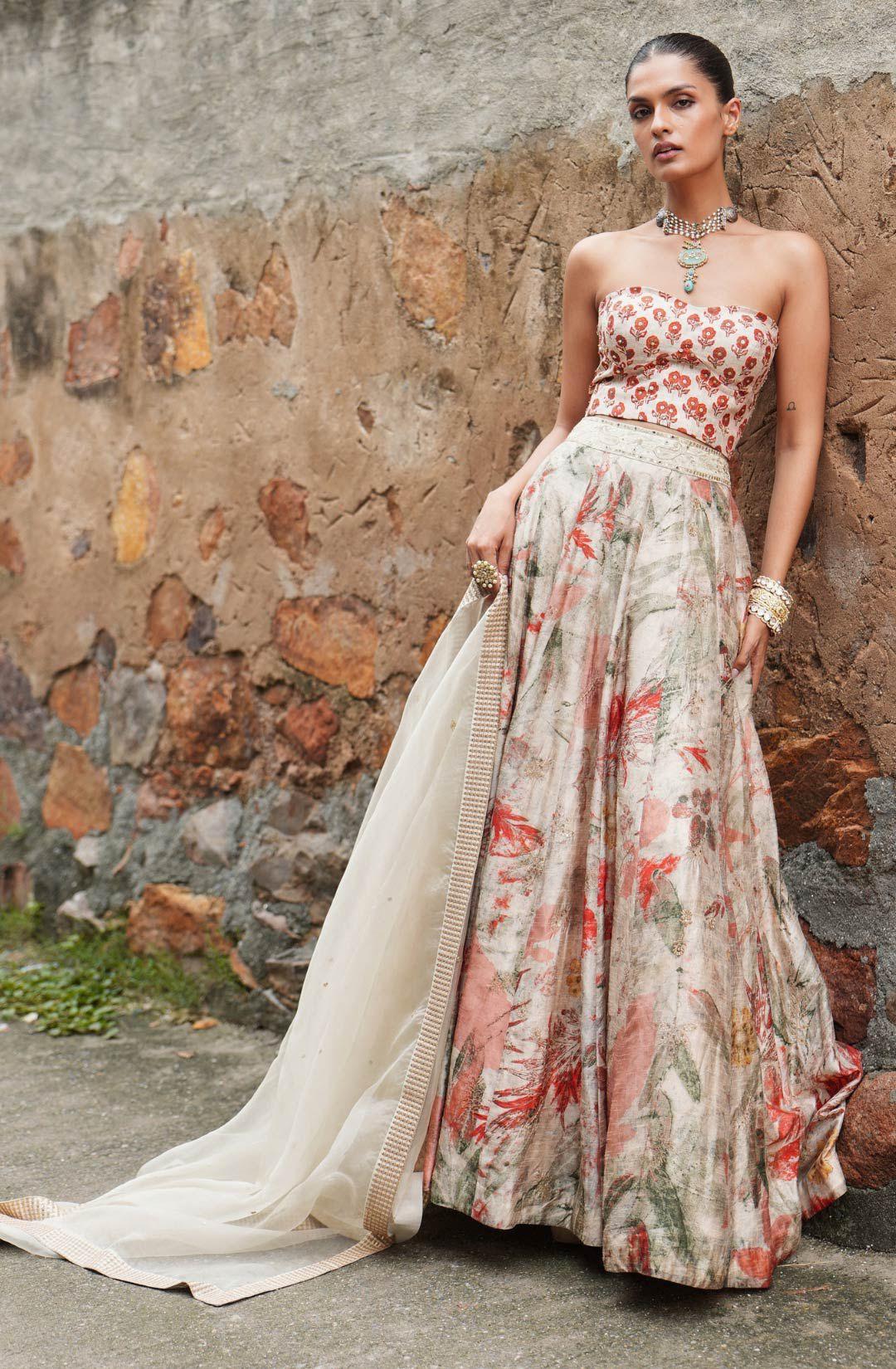
Lighting transforms spaces dramatically. Use paper lanterns for Asian-inspired warmth, string lights for romantic Western ambiance, or colored uplighting that reflects your cultural color palette.
Pro Tip: The Power of Storytelling Decor
Create display stations that tell your cultural love story. Include artifacts, photos, and brief explanations of traditions so guests understand the beautiful meaning behind each element they're experiencing.
Music bridges cultures like nothing else. Start your ceremony with traditional instruments from one culture, then transition to the other. A Scottish bagpiper followed by Indian tabla creates an unforgettable sensory wedding experience.
Plan your soundtrack in phases: processional music honoring both traditions, ceremony music that supports rituals, cocktail hour fusion playlists, and reception dancing that gets everyone moving to familiar rhythms.
Food tells your story deliciously. Create interactive stations where guests experience both cultures' flavors. Think Korean BBQ tacos, Indian-spiced mac and cheese, or Mediterranean-Middle Eastern mezze platters.
Design signature cocktails that blend cultural ingredients. A sake-based drink with Mexican horchata, or Scottish whisky with Indian cardamom creates conversation starters while honoring heritage.
Sequence ceremonies thoughtfully. Begin with one culture's blessing, transition to shared vows, then conclude with the other culture's unity ritual. This creates natural flow while giving equal honor to both traditions.
Consider symbolic unity ceremonies that combine elements. Light candles representing both families, then together light a unity candle. Pour different colored sands representing your cultures into one vessel, creating beautiful layered art.
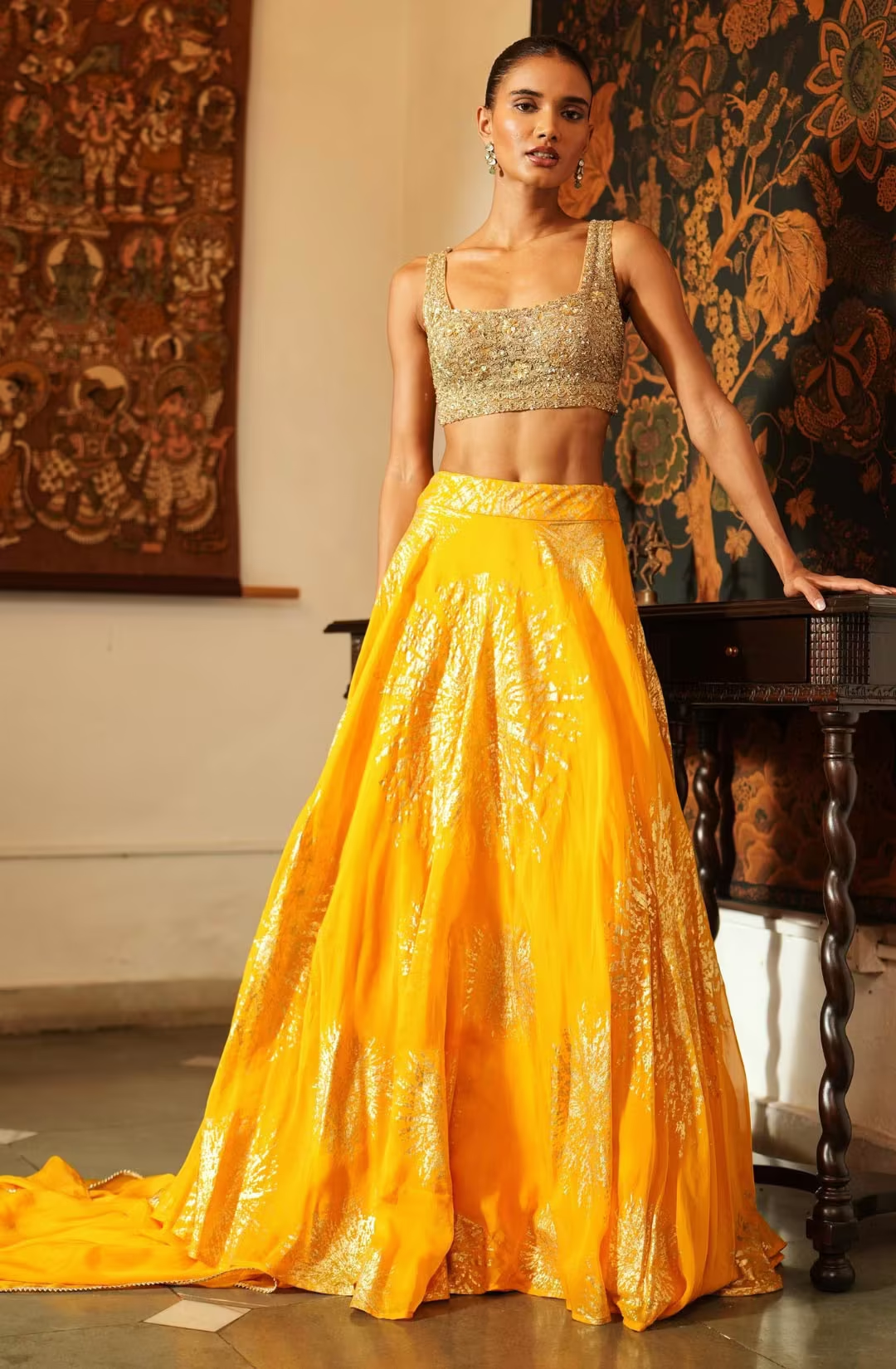
Exchange vows in multiple languages, even if guests don't understand every word. The emotion translates universally. Have family members read blessings in their native tongues, creating immersive wedding design that honors linguistic heritage.
Ring ceremonies can incorporate multiple blessings. Pass rings through both families for individual blessings, then have officiants from both cultures offer their traditional words.
Teach guests simple dances from both cultures. Start with easy steps everyone can follow, then invite more experienced dancers to demonstrate traditional forms. This creates inclusive fun while sharing cultural joy.
Plan storytelling moments where family elders share heritage stories or explain tradition meanings. These intimate moments help guests understand the deeper significance of your celebration.
Create cultural context cards for each table explaining traditions guests will witness. Include pronunciation guides for foreign words and brief explanations of ritual significance.
Design favors that represent both cultures. Miniature tea sets with Scottish shortbread, or small potted plants with seeds from both homelands give guests meaningful keepsakes.
Find vendors who understand cultural sensitivities. Your photographer should know when not to shoot during sacred moments. Caterers need experience with dietary restrictions and traditional preparation methods.
Create detailed timelines that account for longer ceremonies and multiple celebration phases. Intercultural wedding traditions often require more time than standard Western ceremonies.
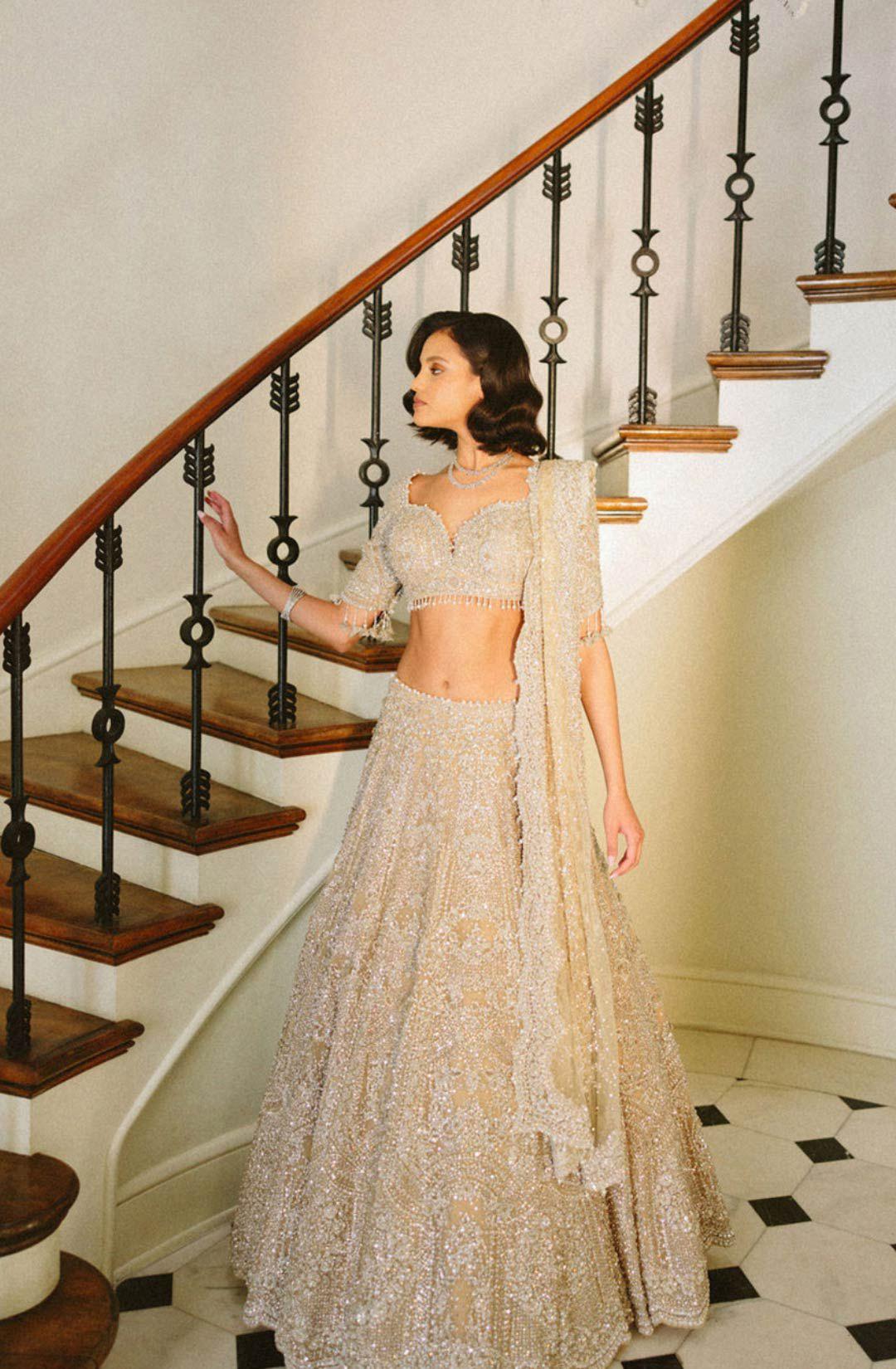
Provide dress code guidance that respects both cultures. Suggest colors to avoid if they're considered unlucky, or encourage guests to wear traditional attire if appropriate.
Consider elderly family members who might need extra support during longer ceremonies. Provide comfortable seating and clear sightlines to important moments.
Focus on three to four key traditions from each culture rather than trying to include everything. Quality over quantity creates more meaningful experiences that guests can fully appreciate and understand.
Adapt traditions to work together or create new fusion rituals that honor both spirits. Many couples find creative solutions like combining blessing ceremonies or creating new unity rituals that represent their unique love story.
Start at least 12-18 months ahead to allow time for cultural research, vendor education, and family discussions. Complex celebrations need extra planning time, and some cultural elements require advance ordering or preparation.
David's Bridal offers styling consultations that help couples navigate cultural wedding attire needs, and their Pearl wedding planning platform includes multicultural timeline tools to help organize complex celebrations across different traditions.
Create beautiful program inserts explaining each ritual's meaning, provide cultural context cards at reception tables, and consider having family members or officiants briefly explain traditions before they happen during the ceremony.
Your cross-cultural wedding celebration should feel like the beautiful fusion of two families becoming one. By engaging all five senses and thoughtfully blending traditions, you create an unforgettable experience that honors both heritages while celebrating your unique love story. The key lies in careful planning, open communication with families, and finding vendors who understand the sacred significance of cultural traditions. When done thoughtfully, these multi-sensory celebrations become treasured memories that guests will talk about for years to come.