Private Vows vs. Public Rituals: Wedding Showdown
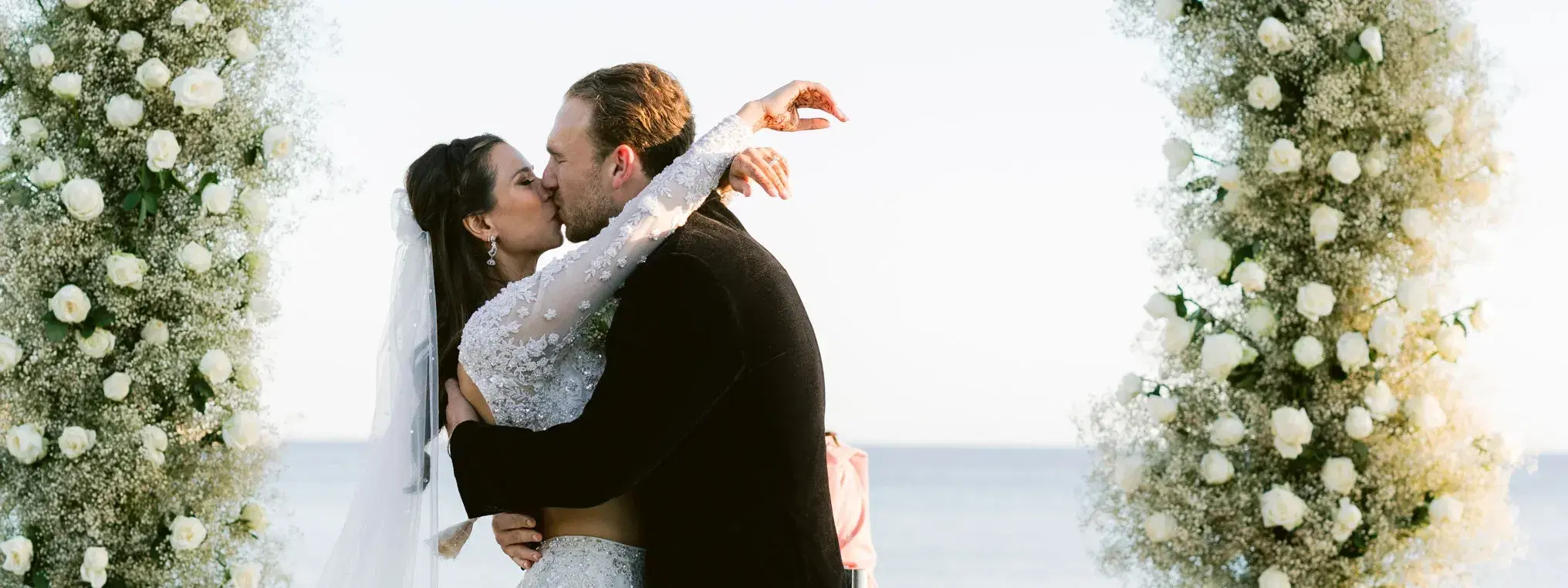
Choosing between a private vow ceremony and public heritage rituals feels overwhelming when you're trying to honor both your relationship and your family's expectations. You want something meaningful that reflects who you are as a couple, but you're also navigating cultural traditions, budget constraints, and guest list politics. Here's how to make this deeply personal decision with confidence.
The wedding ceremony landscape has evolved dramatically. Today's couples can choose from intimate exchanges to elaborate cultural celebrations, each offering distinct advantages for different priorities and values.
Private wedding ceremonies typically include 10 to 50 guests, focusing on personalized wedding vows and custom elements that reflect your unique story. You have complete creative freedom over timing, location, and format. These intimate wedding vows create space for authentic emotion without performance anxiety.
The beauty lies in flexibility. You might exchange vows on a mountaintop at sunrise, in your grandmother's garden, or at a meaningful location from your relationship. Every detail serves your vision rather than tradition or expectation.
Traditional wedding ceremonies carry the weight and beauty of generations. Cultural wedding rituals connect you to ancestral practices while creating community bonds that extend far beyond your wedding day. These celebrations honor heritage wedding traditions that have guided families for centuries.
Public rituals involve your extended community as witnesses and participants. Whether it's the seven circles of a Hindu ceremony, the breaking of glass in Jewish traditions, or the jumping of the broom in African American heritage, these moments carry profound spiritual and cultural significance.
Private ceremonies offer emotional and practical advantages that appeal to many modern couples seeking authentic connection over spectacle.
When you're not performing for a large audience, your vows become conversations rather than speeches. Many couples report feeling more present and emotionally connected during intimate exchanges. The pressure to "perform" disappears, replaced by genuine vulnerability and joy.
You can cry, laugh, or pause without worrying about guest reactions. This emotional safety creates space for the profound intimacy that makes marriages strong from day one.
Smaller guest counts translate to significant savings across every category. Venue options expand dramatically when you need space for 20 people instead of 200. Catering costs drop from $50-150 per person to intimate dinner party budgets.
Planning becomes manageable rather than overwhelming. You can focus on meaningful details instead of logistics nightmares. Many couples use the savings for extended honeymoons or down payments on homes.
Pro Tip
Private ceremonies often allow for multiple celebration options. Consider an intimate vow exchange followed by casual receptions in different cities where family and friends live.
Traditional wedding ceremonies serve purposes beyond personal preference. They strengthen cultural continuity and community bonds in ways that private celebrations cannot replicate.
Heritage wedding traditions carry stories, values, and wisdom from previous generations. When you participate in cultural wedding rituals, you become part of an unbroken chain connecting past and future. Grandparents see their own wedding memories reflected in your ceremony.
These traditions often include specific blessings, symbolic elements, and community roles that create meaning beyond the couple's personal story. The ritual becomes larger than individual preference.
Public ceremonies create a network of witnesses who become invested in your marriage's success. This community support system provides practical and emotional resources during challenging times. Your wedding becomes the foundation for ongoing relationships and mutual support.
Extended family members, family friends, and community elders offer wisdom, guidance, and celebration that enriches your married life for decades to come.
The decision between private vows and public rituals isn't about right or wrong. It's about alignment with your values, circumstances, and vision for your marriage.
Start by examining what matters most in your relationship. Do you thrive in intimate settings or draw energy from community celebration? How important is cultural tradition to your sense of identity? What role do you want family expectations to play in your wedding planning?
Consider your communication styles as a couple. Some partners feel more comfortable expressing deep emotions privately, while others appreciate the accountability and celebration that comes with public declaration.
Many couples discover hybrid approaches that honor both intimacy and tradition. You might have a private vow exchange followed by a public reception, or incorporate cultural elements into smaller ceremonies. Some couples plan multiple celebrations in different locations or at different times.
Technology also creates new possibilities. Live streaming allows distant family to witness intimate ceremonies, while recorded vows can be shared with extended communities who couldn't attend.
Private ceremonies focus on intimate, personalized exchanges with small guest lists, while public heritage rituals emphasize traditional cultural practices with larger community involvement and established ceremonial protocols.
Private ceremonies typically range from $2,000 to $10,000, while public heritage rituals often cost $15,000 to $50,000 or more, depending on guest count, venue requirements, and cultural elements.
Absolutely. Many couples choose hybrid approaches, such as private vow exchanges followed by traditional receptions, or incorporating heritage elements into smaller ceremonies while maintaining cultural authenticity.
Evaluate your comfort with public speaking, family expectations, budget constraints, the importance of cultural traditions in your relationship, and whether you prefer intimate or community-centered celebrations.
Wedding planners, cultural advisors, and religious leaders provide valuable guidance. For couples incorporating South Asian traditions, resources like KYNAH by David's Bridal offer expertise in authentic cultural elements and designer options that honor heritage while fitting modern celebrations.
Your wedding ceremony should reflect who you are as a couple and what you value most about your commitment to each other. Whether you choose the intimacy of private vows or the community celebration of public heritage rituals, the most important element is that your choice feels authentic to your relationship. Trust your instincts, communicate openly with your partner, and remember that the perfect wedding is the one that launches your marriage with joy, intention, and confidence in your shared future.