Wedding Traditions
•05 min read
Your lehenga is stunning, but here's the truth: the dupatta draping can make or break your entire look. Whether you're preparing for your wedding day or attending a celebration, mastering the art of dupatta draping transforms a beautiful outfit into an unforgettable ensemble. The right drape enhances your silhouette, adds grace to your movements, and ensures you feel confident throughout every moment of your special day.
Think of your dupatta as the finishing touch that brings everything together. Poor draping can make even the most expensive lehenga look unpolished, while expert draping elevates any outfit into red-carpet worthy elegance.
The most common mistake? Treating the dupatta as an afterthought. When draped correctly, it creates beautiful lines that complement your body shape, adds movement and flow, and frames your face in the most flattering way. Different lehenga dupatta styles work better for different body types too. Taller frames can handle dramatic trailing drapes, while petite figures shine with shorter, more structured arrangements.
Success starts with the right foundation. Your dupatta fabric matters more than you think. Heavier silks and velvets hold their shape beautifully but need stronger securing techniques. Lighter chiffons and georgettes flow gracefully but require careful pinning to prevent slipping.
Gather these essentials before you begin: safety pins in a matching color, small hair clips, dupatta weights (or small coins wrapped in tissue), and a handheld mirror for checking your back view. Make sure your lehenga fits properly first. A well-fitted blouse provides better anchor points for pinning, and the right skirt length ensures your dupatta proportions look balanced.
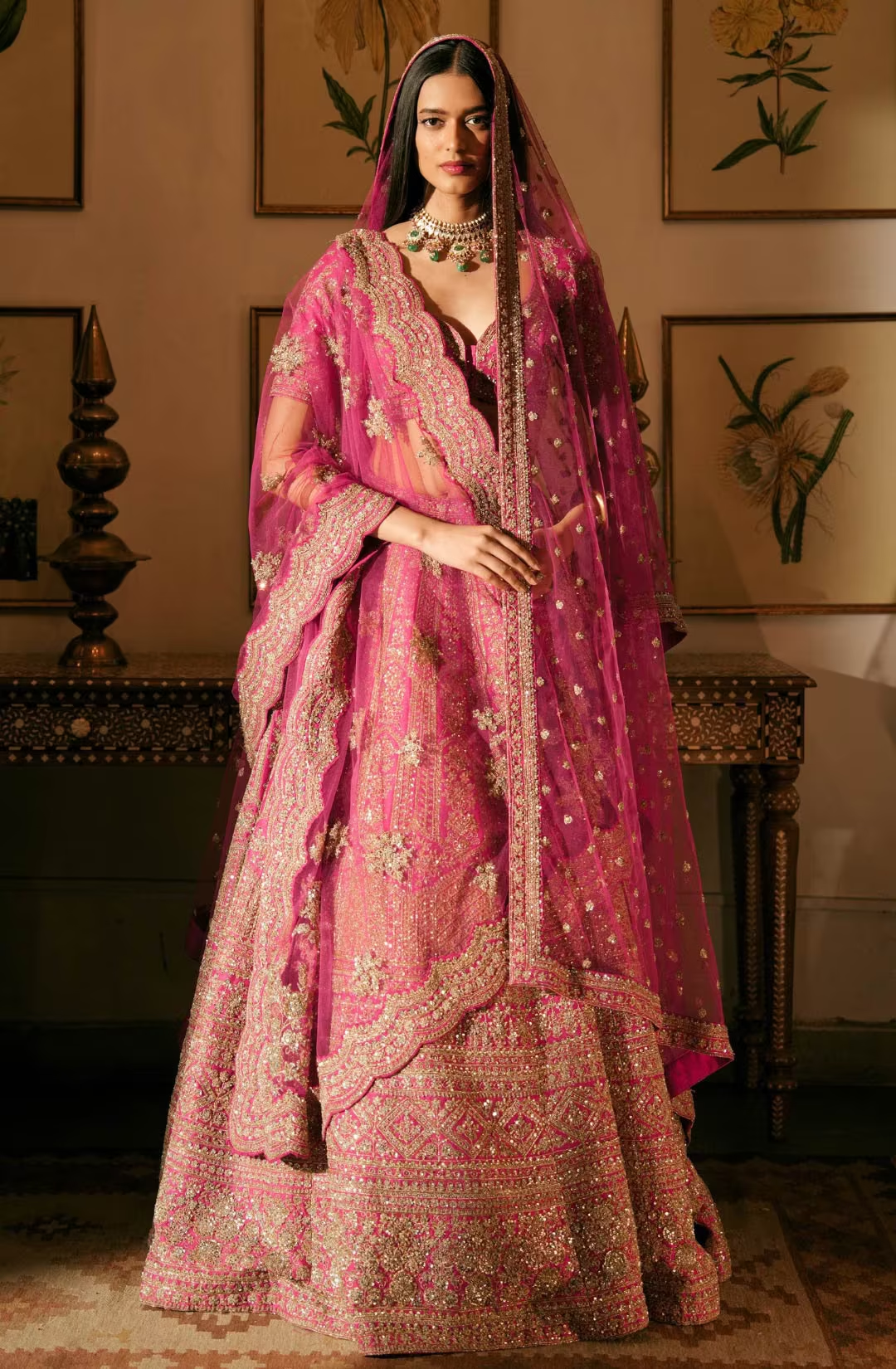
Start by draping the dupatta over your head or shoulders, depending on your chosen style. For traditional bridal draping, place the dupatta so it covers your head with about 12 inches extending in front. For modern shoulder drapes, position it evenly across both shoulders. This foundation determines everything that follows, so take time to get the basic placement right.
Create gentle pleats in the front section, gathering the fabric naturally rather than forcing sharp creases. The front drape should fall gracefully without pulling or bunching. For bridal styles, ensure the dupatta frames your face beautifully. Pin discreetly at the shoulder or use the blouse's existing embellishments to hide securing points.
The back view is just as important as the front. Allow the dupatta to flow naturally down your back, creating elegant movement. For longer dupattas, you can create a subtle train effect. Avoid pulling the fabric too tight, which creates unflattering bunching around the shoulders.
Strategic pinning keeps everything in place without looking obvious. Pin at the shoulder seam, under decorative elements, or along the blouse's side seams. Use small, secure pins rather than large ones that might show through delicate fabrics. Test your range of motion to ensure the pins won't pop open during movement.
Step back and check your silhouette from all angles. Adjust any uneven sections, smooth out wrinkles, and ensure both sides look balanced. Have someone check the back view, as this is often where small adjustments make the biggest difference. Make sure you can move comfortably and that the draping enhances rather than restricts your natural grace.
For long-lasting hold, add dupatta weights to the corners if needed. These prevent the fabric from flying around in wind or during dancing. Do a final security check of all pins, and keep a few extra pins handy for touch-ups throughout your event.
Pro Tip: The Mirror Test
Before finalizing your drape, sit down, stand up, and turn around while watching yourself in a full-length mirror. Your dupatta should maintain its beautiful lines through all these movements. If it shifts dramatically, adjust your pinning strategy.
The traditional over-the-head style remains timeless for wedding ceremonies. This wedding lehenga dupatta draping creates an ethereal, reverent look perfect for sacred moments. The dupatta covers the head partially, with graceful pleats framing the face and flowing down the back.
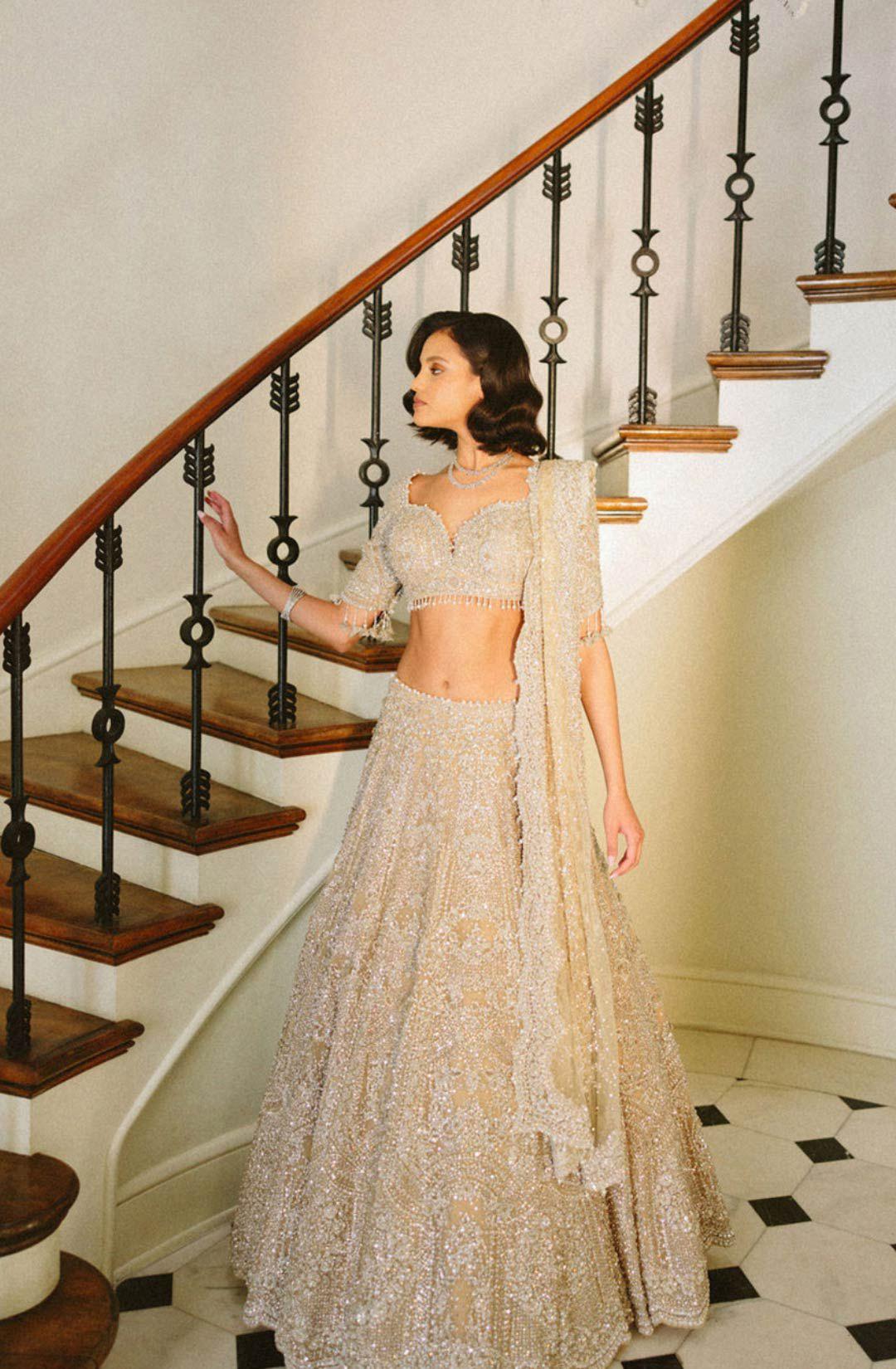
Contemporary and chic, this style drapes the dupatta across both shoulders without head coverage. Perfect for receptions and parties where you want elegance without traditional formality. The fabric creates beautiful lines across the shoulders and flows freely down the back.
This asymmetrical style drapes the dupatta over one shoulder, creating a dramatic, fashion-forward look. The fabric cascades down one side while leaving the other shoulder free, perfect for showcasing intricate blouse details and creating stunning photo opportunities.
A trendy approach where the dupatta is draped around the waist like a decorative belt, then flows down. This style works beautifully for pre-wedding functions and adds a contemporary twist to traditional lehengas.
Consider your body type when choosing different dupatta drapes. Petite frames look stunning in shorter, more structured drapes that don't overwhelm their silhouette. Taller figures can carry dramatic, flowing styles beautifully. Curvier body types benefit from drapes that create vertical lines and avoid adding bulk around the midsection.
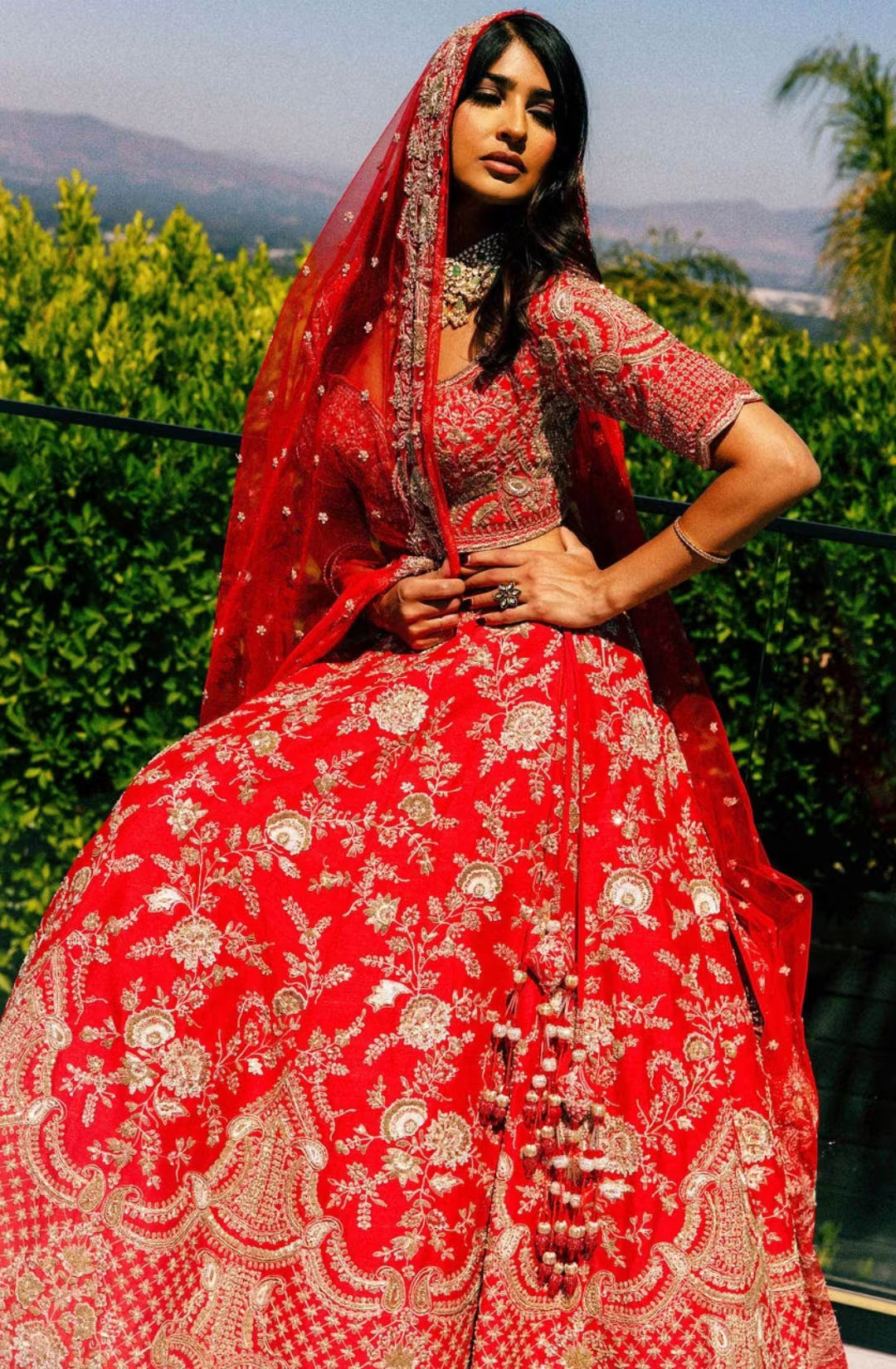
Heavy, embellished dupattas require different dupatta draping techniques than lighter fabrics. Use more pins for security, and consider dupatta weights to maintain the drape's shape. For delicate fabrics, use silk-covered pins that won't snag the material.
When your dupatta keeps slipping, the issue is usually inadequate pinning or poor pin placement. Add more securing points, especially at stress areas like the shoulders and sides. For heavy dupattas, consider sewing small loops inside your blouse to thread pins through for extra security.
Wind and movement can disrupt even the best draping. Dupatta weights sewn into the corners help maintain the drape's integrity. For outdoor events, choose slightly heavier fabrics that resist wind better than ultra-light materials.
The ideal length depends on your height and style preference. For floor-length drama, choose dupattas that measure 8 to 9 feet. Shorter lengths of around 6 feet work better for petite frames or when you want easier movement.
While possible with very lightweight fabrics and simple drapes, pins ensure security and longevity. For pin-free options, consider dupattas with built-in ties or weighted edges, though these limit your styling options.
Simpler drapes work best with heavily embellished lehengas to avoid overwhelming the look. Classic shoulder drapes or single-shoulder styles let the lehenga's details shine while adding elegant finishing touches.
Choose shorter draping styles for dance-heavy events, secure all loose ends with hidden pins, and consider dupatta weights to maintain controlled movement. Practice a few dance moves before your event to test the drape's stability.
For South Asian bridal wear specifically, collections like KYNAH at David's Bridal showcase traditional and contemporary styling approaches. Their designer pieces often demonstrate proper draping techniques that honor cultural traditions while embracing modern aesthetics.
Mastering lehenga dupatta draping takes practice, but these techniques will help you achieve that effortlessly elegant look every time. Remember that the best draping style is one that makes you feel confident and comfortable while honoring the beauty of this traditional garment. Whether you choose classic bridal draping or contemporary styling, the key is ensuring your dupatta enhances your natural grace and complements your overall look perfectly.