How to Choose the Perfect Outfit for a Hindu Wedding
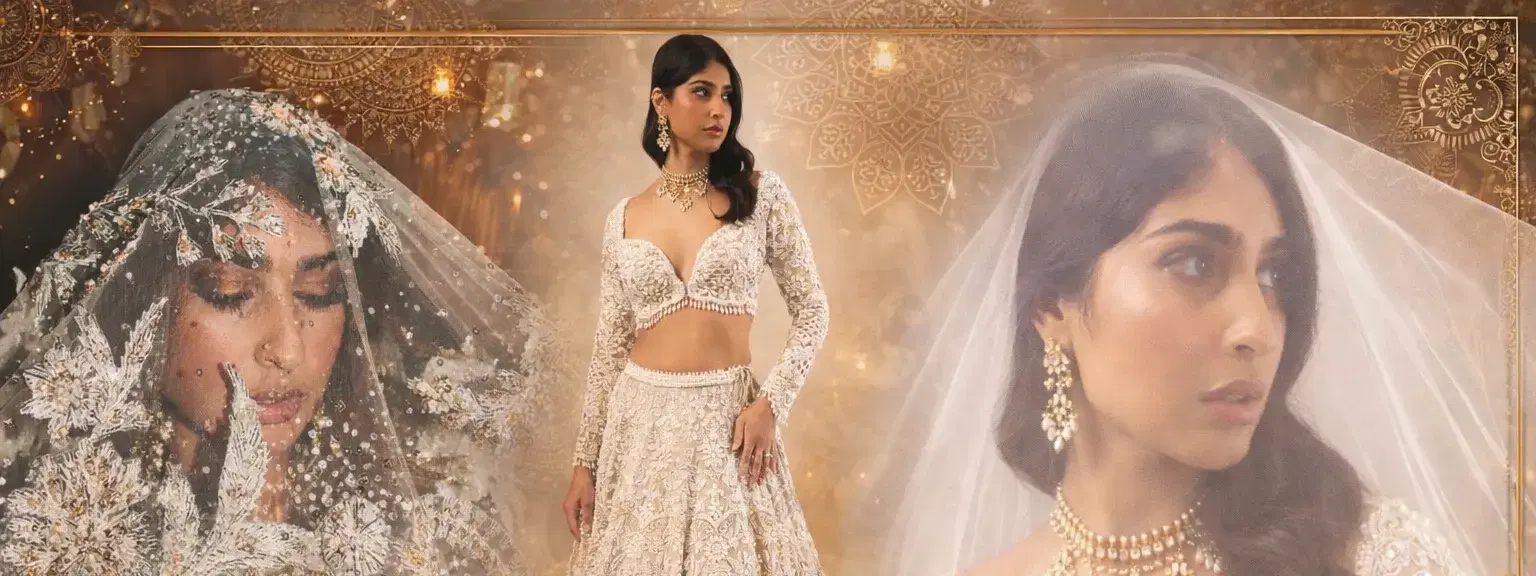
Attending a Hindu wedding means stepping into a world of vibrant colors, rich traditions, and joyous celebration. Whether you're a first-time guest or looking to refresh your understanding of appropriate attire, choosing the right outfit shows respect for the sacred ceremonies while letting you fully embrace the festive spirit.
Hindu wedding attire carries deep spiritual meaning beyond just looking beautiful. Modesty remains central to appropriate dress, especially during religious ceremonies where you'll be in sacred spaces. Your clothing choices reflect respect for the couple's traditions and the sanctity of their union.
Traditional values emphasize covering shoulders, avoiding low necklines, and choosing fabrics that move gracefully during prayers and rituals. Think of your outfit as participating in the ceremony's reverence while celebrating love and new beginnings.
Hindu weddings typically span several days with distinct celebrations requiring different attire approaches. Pre-wedding events like Mehndi (henna ceremony) call for comfortable, stain-friendly fabrics in bright colors. Sangeet nights need dance-ready outfits that move with you during performances.
The main wedding ceremony demands your most formal traditional wear, while receptions often welcome semi-formal to formal choices. Planning multiple outfits ensures you're appropriately dressed for each celebration's unique energy and requirements.
Vibrant jewel tones create the perfect foundation for Hindu wedding guest attire. Royal blues symbolize stability and trust, while emerald greens represent new beginnings and prosperity. Rich purples convey luxury and spirituality, making them ideal for ceremonial moments.
Golden yellows bring warmth and wisdom to celebrations, especially beautiful for daytime events. Magentas and bright pinks radiate joy and feminine energy. These colors don't just look stunning in photos—they carry cultural significance that honors the occasion's spiritual importance.
Deep red remains reserved for brides in most Hindu traditions, so avoid crimson, maroon, or bright red as your primary color. Small red accents in patterns or embroidery work perfectly fine.
White and black carry associations with mourning and are considered inauspicious for celebrations. Pale pastels can appear washed out against the ceremony's vibrant backdrop and may seem inappropriate for such joyous occasions. Regional preferences vary, so when in doubt, ask the couple or their families about specific color traditions.
Sarees offer timeless elegance for Hindu wedding celebrations. Classic silk sarees in Banarasi or Kanjeevaram styles bring traditional sophistication, while contemporary georgette or chiffon options provide easier draping for beginners.
Pre-draped sarees eliminate draping stress while maintaining authentic appeal. Look for styles with attached petticoats and pre-pleated sections that simply wrap and pin. Choose fabrics that photograph beautifully and feel comfortable during long ceremonies.
Lehengas combine traditional aesthetics with contemporary comfort. A-line styles flatter most body types, while heavily flared options create dramatic photos during dancing. Crop top and skirt combinations offer modern appeal with traditional roots.
Dupatta styling adds versatility—drape over one shoulder for casual moments, or over your head during religious portions. Choose lehengas with comfortable waistbands and breathable fabrics for all-day wear during extended celebrations.
Pro Tip: If you're new to traditional Indian wear, start with a lehenga rather than a saree. The separate pieces are easier to manage, and you'll feel more confident moving through different ceremony activities.
Anarkali suits provide flowing comfort with their fitted bodice and flared bottom design. These work beautifully for guests who want traditional appeal without the complexity of saree draping.
Sharara and gharara sets offer palazzo-style elegance with their wide-leg silhouettes. Indo-western fusion pieces blend traditional embellishments with contemporary cuts. Salwar kameez remains versatile and comfortable, especially for multi-day celebrations where you need practical yet beautiful options.
Kurta-pajama combinations provide classic comfort for Hindu wedding celebrations. Silk kurtas elevate formal ceremonies, while cotton options work well for daytime events. Nehru collars offer traditional appeal, while band collars provide contemporary sophistication.
Pair kurtas with matching pajamas for traditional looks, or choose churidars for a more fitted silhouette. Consider seasonal fabric weights—lighter cottons for summer celebrations, richer silks for evening ceremonies.
Sherwanis bring formal elegance to main wedding ceremonies and receptions. Long sherwanis create traditional grandeur, while shorter styles offer modern sophistication. Nehru collars and intricate button details add authentic touches.
Coordinate sherwanis with churidars or straight pants depending on your comfort level and the event's formality. Choose colors that complement the celebration's palette while avoiding bride-reserved shades.
Well-tailored suits work for receptions and less traditional ceremonies, especially in jewel tones that honor the festive atmosphere. Bandhgala jackets offer Indo-western sophistication that bridges cultural styles.
Dhoti-kurta combinations represent regional traditional options, while casual kurta styling works for informal pre-wedding events. Choose based on the specific ceremony's dress code and your comfort with traditional wear.
Mehndi ceremonies call for bright, comfortable clothing in henna-friendly fabrics. Choose pieces you don't mind getting stained, as henna application can be messy. Yellow-themed outfits honor Haldi ceremony traditions while providing stain camouflage.
Sangeet nights need dance-friendly outfits with movement ease. Avoid heavy embellishments that might catch or restrict dancing. Choose breathable fabrics and comfortable footwear for hours of celebration.
Religious ceremonies require modest coverage with shoulders and knees covered. Bring a dupatta or scarf for head covering during sacred moments. Choose footwear that's easy to remove, as you may need to enter temple spaces barefoot.
Avoid noisy jewelry or accessories that might distract during prayers. Opt for traditional pieces that photograph beautifully while respecting the ceremony's solemnity.
Receptions often welcome semi-formal to formal attire, including appropriate Western wear in festive colors. Focus on comfort for extended celebration hours while maintaining elegance for photos and dancing.
Post-wedding events may have relaxed dress codes, but maintaining respectful coverage and avoiding inappropriate colors remains important throughout all celebrations.
Statement necklaces anchor traditional outfits beautifully. Layer different lengths for visual interest, or choose one bold piece as your focal point. Traditional earrings like jhumkas, chandbali, or drop styles complement most face shapes and outfit choices.
Bangles add authentic touches—mix metals with glass options, or choose coordinating sets. Hair accessories like maang tikka or decorative pins enhance traditional hairstyles, while fresh flowers bring natural beauty to your look.
Choose shoes you can easily remove for temple entries or prayer moments. Traditional juttis offer authentic style with comfortable flat soles, while modern heels work for receptions and dancing.
Consider venue factors—outdoor ceremonies may require different footwear than indoor celebrations. Comfort matters for long ceremony days, so prioritize supportive options over purely aesthetic choices.
Embrace traditional wear with confidence—your effort to honor the culture will be appreciated. Balance authenticity with personal comfort by choosing pieces that feel natural on your body type and style preferences.
Focus on respectful participation rather than perfect execution. Many specialty stores offer styling services, and rental options let you experience beautiful traditional wear without major investment.
Choose vibrant, modest traditional Indian clothing like sarees, lehengas, or kurta-pajamas in jewel tones. Avoid white, black, and deep red while embracing colors like royal blue, emerald green, purple, and gold that represent celebration in Hindu culture.
Yes, non-Indian guests wearing traditional attire is generally welcomed as a sign of cultural respect. Choose modest pieces in appropriate colors and consider visiting stores that specialize in Indian wedding wear for guidance on proper styling and fit.
Western formal wear is acceptable, especially at receptions, but should be in bright, festive colors while maintaining modest coverage. Traditional Indian attire is preferred for religious ceremonies and shows deeper respect for cultural traditions.
Vibrant jewel tones like royal blue, emerald green, purple, magenta, orange, and gold are ideal choices. These colors represent prosperity, joy, and good fortune in Hindu traditions while creating beautiful contrast in wedding photos.
Many cities have Indian clothing boutiques, and online retailers offer extensive selections. For South Asian bridal and formal wear, KYNAH by David's Bridal features designer collections that include guest-appropriate pieces alongside bridal options.
Choosing the perfect Hindu wedding outfit combines cultural respect with personal style, creating looks that honor tradition while celebrating love. Whether you select a flowing saree, elegant lehenga, or sophisticated kurta-pajama, your thoughtful attention to appropriate colors, modesty, and cultural significance ensures you'll feel confident participating in these beautiful celebrations. Remember that your presence and respect for the couple's traditions matter most—the right outfit simply helps you fully embrace the joy and spirituality of Hindu wedding ceremonies.