Ultimate Wedding Guest Etiquette Checklist
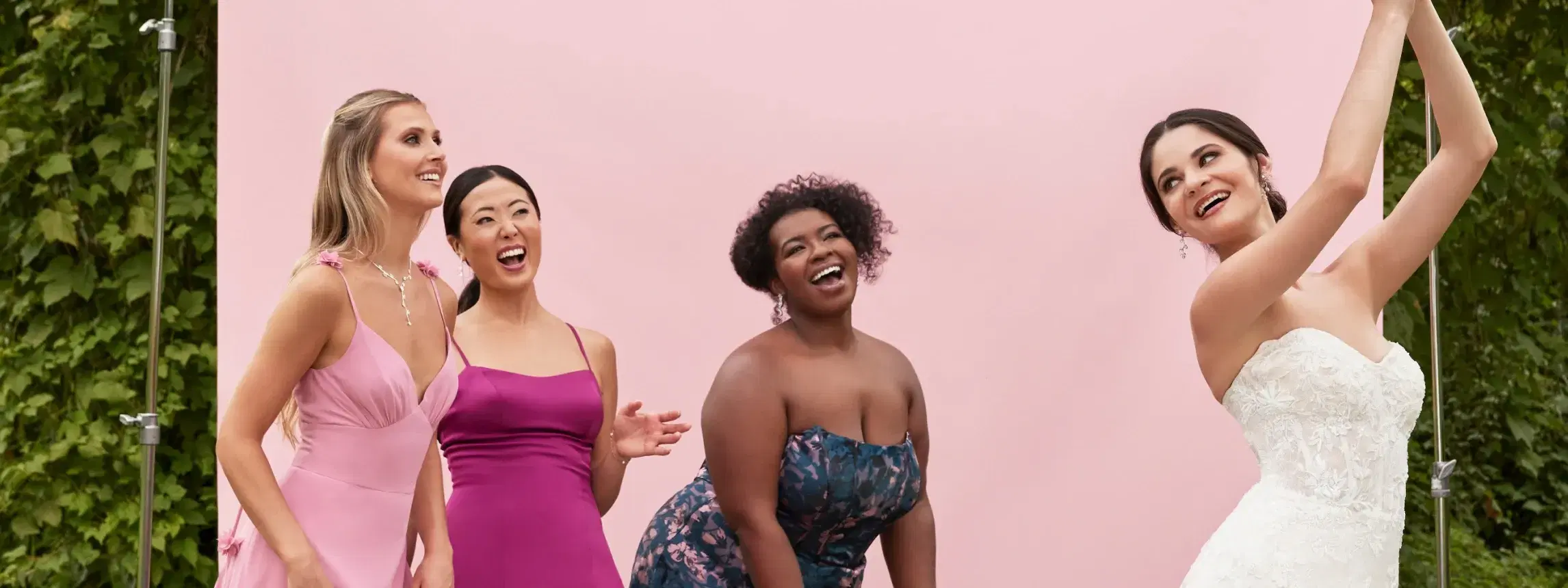
Being a wedding guest in 2026 comes with its own set of unwritten rules and expectations. While of course every celebration is unique, understanding the basics of wedding guest etiquette helps you navigate any ceremony or reception with confidence. From knowing exactly when to RSVP to choosing just the right outfit, these guidelines will ensure you celebrate the couple while still respecting their special day.
Your role as a wedding guest begins the moment you receive an invitation. Proper planning and timely responses set the foundation for a smooth celebration!
Respond to wedding invitations within 24 to 48 hours when possible. If you need time to check your schedule or coordinate with others, aim to reply within two weeks maximum. Couples use these responses for final headcounts with caterers and venues—so if you don't respond...you may not get dinner!
When declining an invitation, keep your response brief and gracious. A simple "Thank you for including us. Unfortunately, we won't be able to attend, but we're excited to celebrate with you in spirit" works perfectly. You don't need to explain why you can't attend.
If the invitation includes a plus-one but doesn't specify who you can bring, ask the couple directly rather than assuming. Some invitations are addressed to specific people only.
Wedding gifts can be given anytime from the engagement announcement up to one year after the wedding, though most guests prefer giving them before or at the ceremony. If you're shipping a gift, send it to the couple's home rather than the venue to avoid logistics issues.
Registry gifts simplify your choice and ensure the couple receives something they actually want. If you prefer giving cash, place it in a card with a personal note. Group gifts work well for expensive registry items when coordinated with other guests.
If you're attending multiple wedding events like an engagement party and the wedding, you only need to give one gift. Choose the event that feels most appropriate to you.
Choosing appropriate wedding guest attire shows respect for the couple and the occasion. When in doubt, it's better to be slightly overdressed than underdressed.
Black-tie weddings call for formal evening wear. Think floor-length dresses or elegant cocktail dresses for women, and tuxedos for men. Cocktail attire means dressy but not formal. Semi-formal allows for nice dresses or dress pants with blouses, and suits for men.
Consider the venue and season when choosing your outfit. Beach weddings call for lighter fabrics and colors, while winter church ceremonies might require more coverage and warmer materials. Outdoor venues often mean uneven surfaces, so choose shoes accordingly.
Avoid white, ivory, champagne, or any color that could be mistaken for bridal. This rule applies to patterns with significant white backgrounds too. If you're unsure about a color, ask a friend or choose something else.
Don't match the bridal party colors exactly, especially if they're wearing a specific shade. It's fine to wear the same color family, just not identical hues. Avoid anything too revealing, too casual, or too attention-grabbing.
The ceremony is the heart of the celebration. Your behavior during this time sets the tone for the entire event.
Arrive 15 to 30 minutes before the ceremony starts. This gives you time to find parking, use the restroom, and get seated without rushing. Follow the usher's guidance for seating, even if you prefer a different spot.
If you arrive late, wait for a natural pause in the ceremony before entering. Sit in the back to minimize disruption. Some venues have specific late arrival protocols, so follow any posted signs or staff instructions.
Turn your phone to silent mode before the ceremony begins. Many couples prefer unplugged ceremonies, so respect their photography wishes. If photos are allowed, avoid using flash or blocking other guests' views.
Stand and sit when others do, even if you're unfamiliar with the religious or cultural traditions. You don't have to participate in prayers or rituals that don't align with your beliefs, but remain respectful and quiet.
The reception is your chance to celebrate with the couple and other guests. Good etiquette here ensures everyone enjoys the party.
Introduce yourself to other guests by sharing how you know the couple. This creates natural conversation starters and helps everyone feel included. Keep conversations light and positive, focusing on celebrating the couple rather than personal problems.
If there's an open bar, tip the bartenders even though the couple is paying for drinks. A dollar or two per drink is standard. Don't overindulge, as you want to remember the celebration and behave appropriately.
Respect assigned seating arrangements. Couples spend considerable time creating these arrangements to help guests enjoy themselves. If you have concerns about your table assignment, speak quietly with the couple or wedding planner.
Wait for everyone at your table to be served before eating, and don't leave during speeches or toasts. When dancing, be mindful of others on the dance floor and avoid overly energetic moves that might cause accidents.
These fundamental guidelines help you navigate any wedding situation with grace and consideration.
Congratulate the couple personally. Make an effort to speak with both partners during the reception, even if briefly. A simple "Congratulations, I'm so happy for you both" means a lot.
Stay through dinner service. Leaving before the meal is served can affect final counts and costs. If you must leave early due to emergencies, let the couple know discreetly.
Participate respectfully in traditions. Whether it's a bouquet toss, cultural ceremony, or family tradition, join in with enthusiasm while following the couple's lead.
Don't upstage the couple. Avoid making announcements, proposing, or drawing attention away from the bride and groom. This is their day to shine.
Don't overshare on social media. Ask before posting photos, and avoid sharing details the couple might want to keep private. Some couples request social media breaks during their ceremony.
Don't bring uninvited guests. If your invitation doesn't include a plus-one, don't bring someone anyway. This affects seating, catering, and costs.
Expert Tip:
When in doubt about any wedding etiquette question, consider what would make the couple happiest and most comfortable. This approach rarely leads you wrong.

Today's weddings often include unique elements that require adapted etiquette approaches.
Destination weddings require more planning from guests. Book travel early and communicate with other attendees about shared accommodations if desired. The couple typically provides welcome bags and itineraries for multi-day celebrations.
Gift expectations may differ for destination weddings since guests are already spending money on travel. Some couples prefer cash gifts to help with honeymoon expenses, while others maintain traditional registries.
For virtual attendance, test your technology beforehand and find a quiet space with good lighting. Dress appropriately even though you're at home, as you may appear on camera during interactive moments.
Engage actively by using chat features appropriately and reacting during key moments like the kiss or ring exchange. Send your gift with a note explaining you attended virtually and are celebrating from afar.
Check with the couple first, as many prefer unplugged ceremonies. If photos are allowed, turn off flash and avoid blocking other guests' views. Professional photographers capture the important moments, so focus on being present.
Stay at least through dinner service and the first few dances. Most guests leave after the cake cutting or when the party winds down naturally. Leaving before dinner can affect catering counts and costs.
Give what you can afford, whether that's a smaller registry item, a heartfelt card with a modest cash gift, or something meaningful you make yourself. Your presence matters more than expensive presents.
Yes, black is perfectly appropriate for wedding guests, especially for evening or formal celebrations. Just ensure your outfit feels celebratory rather than somber by adding colorful accessories or choosing festive fabrics.
Contact the couple immediately to let them know about the change. They may be able to adjust seating arrangements or invite someone from their waiting list. Don't bring a replacement guest without asking first.
Understanding wedding guest etiquette helps you celebrate confidently while honoring the couple's special day. These guidelines work for most situations, though every wedding is unique. When planning your own celebration, Pearl Planner can help organize all the details that make guests feel welcome and appreciated, from seating arrangements to timeline coordination.