Why Does a Bride Wear a Veil? Unpacking Traditions and Symbolism
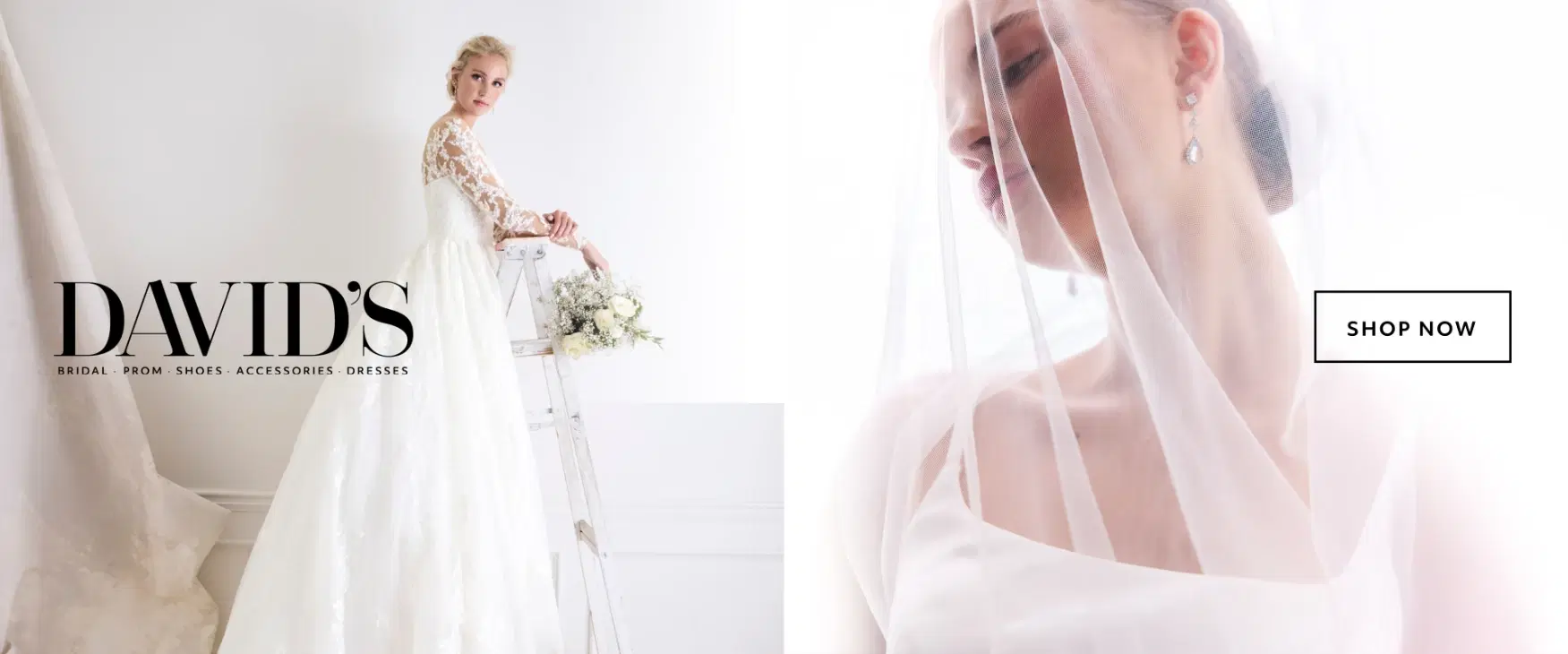
The moment you slip on a wedding veil, you're connecting to centuries of brides who came before you. But why does a bride wear a veil in the first place? The answer weaves together ancient protection rituals, religious symbolism, and deeply personal meaning that's evolved beautifully over time.
Whether you're drawn to tradition or questioning if veils feel right for your celebration, understanding the rich history and symbolism behind this timeless bridal accessory helps you make a choice that feels authentically yours.
Wedding veils have protected brides for thousands of years, though not always in the way you might expect. In ancient Rome and Greece, brides wore flame-colored veils called "flammeum" to ward off evil spirits and protect against the "evil eye." These weren't delicate white accessories but bold, protective shields meant to keep negative energy away during vulnerable transition moments.
The history of wedding veils reveals fascinating cultural shifts. Early veil traditions often centered around arranged marriages, where the bride's face remained covered until after the ceremony was complete. This practice ensured the groom couldn't change his mind based on appearance, protecting both families' agreements.
As societies evolved, so did veil traditions. What began as spiritual protection gradually transformed into symbols of modesty, purity, and the sacred nature of marriage itself. The transition from colorful protective veils to the white versions we recognize today happened much later, influenced by Victorian sensibilities and changing wedding customs.
Modern wedding veil symbolism carries layers of meaning that speak to transformation, protection, and sacred moments. The bride veil meaning has shifted from literal protection to representing the transition from single to married life, creating a beautiful metaphor for the journey you're taking.
The symbolic reveal moment, when your veil is lifted, represents unity and the joining of two lives. This gesture signifies openness, trust, and the willingness to be fully seen by your partner. Many couples find this moment deeply moving, regardless of their religious background.
Different faiths and cultures bring unique perspectives to veil traditions. In Jewish weddings, the "bedeken" ceremony involves the groom placing the veil over his bride's face, symbolizing his commitment to love her inner beauty. Catholic traditions often emphasize the veil's connection to Mary's purity and devotion.
Biblical references, particularly 1 Corinthians 11:10, mention head coverings "because of the angels," suggesting spiritual significance during sacred moments. However, modern interpretations focus more on personal meaning than strict religious requirements.
Cross-cultural practices show how adaptable veil traditions can be. Some cultures incorporate family heirloom veils, while others blend traditional elements with contemporary style preferences, creating meaningful fusion ceremonies.
Understanding types of wedding veils helps you choose what feels right for your celebration. From delicate birdcage veils that barely graze your cheekbones to dramatic cathedral lengths that flow behind you, each style creates different energy and visual impact.
Bridal veil etiquette has relaxed significantly over the years. You can wear your veil throughout the entire celebration, remove it after the ceremony, or even skip it altogether. The choice depends on your comfort, venue considerations, and personal style preferences.
When it comes to wearing a veil on wedding day, think about practical elements like your hairstyle, dress neckline, and planned activities. A shorter veil might work better for outdoor ceremonies or dancing, while longer styles create stunning photo opportunities and formal ceremony presence.
Pro Tip
Your veil should enhance your natural beauty and complement your dress, not compete with it. If your gown has intricate back details, consider a simple veil that won't hide those beautiful elements.
Many brides wonder if they'll regret not wearing a veil, especially when family traditions run deep. The truth is, bridal fashion should reflect your personality and vision for your wedding day. Some brides feel incomplete without a veil, while others prefer alternative bride accessories like fresh flowers, jeweled headpieces, or simply their beautiful hair.
Non-traditional brides often worry about breaking expectations, but wedding customs evolve with each generation. Your celebration should honor what feels meaningful to you, whether that includes traditional elements or creates entirely new traditions.
Consider practical factors too. Outdoor weddings might call for shorter veils that won't catch in the breeze, while formal church ceremonies might inspire longer, more traditional styles. Your venue, season, and planned activities all influence what works best.
Absolutely. Modern veil symbolism focuses on love, commitment, and the sacred nature of your wedding day rather than past experiences. Your veil represents your journey forward, not your history.
Biblical references to head coverings relate more to cultural practices of the time than specific wedding requirements. Most modern Christian ceremonies view veils as beautiful traditions rather than religious obligations.
There's no rule about timing. Many brides remove their veils after the ceremony for easier movement during the reception, while others keep them on for photos and dancing. Follow your comfort and preferences.
Face-covering veils have become less common as wedding customs evolved toward more personal, intimate ceremonies. Many couples prefer to see each other clearly throughout their vows and celebration.
Wedding day choices should reflect your vision and comfort. Consider having honest conversations with family about your preferences, and remember that David's Bridal offers many beautiful headpiece alternatives if traditional veils don't feel right for you.
Understanding why brides wear veils connects you to generations of love stories while empowering you to create your own meaningful traditions. Whether you choose a flowing cathedral veil, a delicate birdcage style, or skip the veil entirely for a stunning headpiece, your choice should make you feel confident and beautiful. The most important tradition is celebrating your love in a way that feels authentically yours.