How to Avoid Black Tie Fashion Mistakes: What Not to Wear
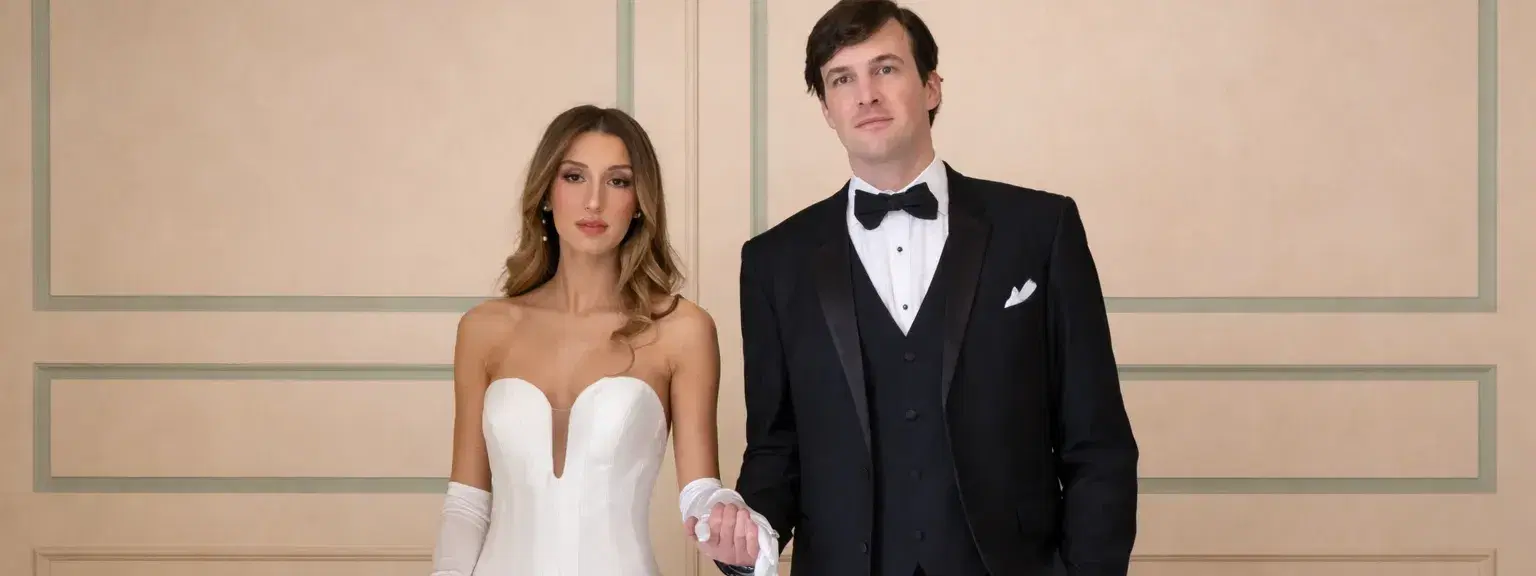
Picture stepping into a glamorous ballroom, feeling confident and elegant, only to realize your outfit screams "wrong dress code." Black tie events can feel intimidating, but the real challenge isn't finding something beautiful to wear. It's avoiding the common mistakes that can make you feel out of place at formal celebrations.
Understanding what not to wear to a black tie event saves you from fashion faux pas and helps you feel genuinely confident. Whether you're attending a wedding, gala, or corporate celebration, knowing these guidelines means you can focus on enjoying the moment instead of worrying about your outfit choice.
Black tie dress code represents evening formal wear at its most elegant. Unlike cocktail attire or business formal, black tie requires specific garments that honor the tradition and formality of the occasion. This isn't about following arbitrary rules, but about showing respect for the event and feeling appropriately dressed alongside other guests.
Many people confuse black tie with other formal dress codes, leading to outfit choices that feel awkward or underdressed. The key difference lies in the level of formality and the specific garments required. Black tie events typically begin after 6 PM and call for evening wear that's more sophisticated than daytime formal options.
Think of black tie as a celebration of elegance. When everyone follows the dress code, it creates a cohesive, sophisticated atmosphere that makes the event feel truly special. Your outfit becomes part of the overall experience, contributing to the magic of the evening.
The biggest mistake men make is wearing a business suit instead of a tuxedo. Even your most expensive navy or charcoal suit doesn't meet black tie requirements. Tuxedos have specific details like satin lapels and side stripes that distinguish them from regular suits.
Long neckties are another major error. Black tie events call for bow ties, preferably self-tied rather than clip-on versions. The bow tie creates the classic formal silhouette that defines black tie elegance.
Footwear mistakes include wearing loafers, square-toe shoes, or any casual shoe style. Black tie requires patent leather or highly polished formal shoes, typically in oxford or opera pump styles. Brown shoes never work with black tie attire, regardless of how formal they appear.
Daytime fabrics like cotton or linen look out of place at evening events. Black tie calls for luxurious evening fabrics like wool, silk, or velvet that photograph beautifully under formal lighting.
Color choices matter significantly. Navy suits, even in formal cuts, don't substitute for black tuxedos. Bright colors, bold patterns, or novelty accessories draw attention in ways that feel inappropriate for the sophisticated atmosphere of black tie events.
Pro Tip
If you're unsure whether your formal wear meets black tie standards, ask yourself: "Would this look appropriate in a luxury hotel ballroom at 8 PM?" If the answer feels uncertain, it's probably not black tie appropriate.
Mini dresses and knee-length styles don't meet black tie requirements, even when made from formal fabrics. Black tie events call for floor-length gowns or sophisticated midi-length dresses that create an elegant silhouette.
Overly revealing outfits with excessive cutouts, plunging necklines, or high slits can feel inappropriate for formal events. The goal is sophisticated elegance rather than attention-grabbing drama. Your outfit should enhance your confidence without overwhelming the occasion.
Casual dress styles like sundresses, cocktail party dresses, or club-appropriate outfits miss the mark entirely. Black tie requires evening wear that feels special and formal, not something you might wear to brunch or happy hour.
Daytime fabrics like cotton jersey, casual linen, or denim never work for black tie events, regardless of the dress style. Evening events call for luxurious fabrics like silk, satin, velvet, or high-quality crepe that move beautifully and photograph elegantly.
Neon colors, loud patterns, and busy prints feel jarring in formal settings. While you don't have to wear black, choose sophisticated colors that complement the evening atmosphere. Jewel tones, metallics, and classic colors work beautifully for black tie celebrations.
Never wear white to black tie weddings or events unless specifically requested by the hosts. White remains reserved for brides at wedding celebrations, and wearing it as a guest can feel disrespectful and attention-seeking.
Large everyday handbags look completely out of place with formal evening wear. Black tie events call for elegant clutches or small evening bags that complement your outfit without overwhelming your silhouette.
Casual jewelry or costume pieces can cheapen an otherwise appropriate outfit. Choose refined jewelry that enhances your look without competing with your dress. Think elegant rather than flashy, sophisticated rather than trendy.
Inappropriate shoes can ruin an otherwise perfect formal outfit. Casual flats, sneakers, or overly trendy styles don't work with black tie attire. Choose elegant heels, sophisticated flats, or formal shoes that complement your dress and feel comfortable for an evening of celebration.
Overly casual hairstyles can make formal outfits feel incomplete. Black tie events deserve polished hair styling that complements your outfit and the formal atmosphere. This doesn't mean complicated updos, but rather intentional styling that looks finished and elegant.
Makeup choices should enhance your natural beauty while photographing well under formal lighting. Daytime makeup often looks washed out in evening settings, while overly dramatic makeup can feel costume-like rather than sophisticated.
Proper black tie attire starts with a well-fitted tuxedo in black or midnight blue. The jacket should feature satin lapels, and trousers should have satin side stripes. A crisp white formal shirt with French cuffs creates the foundation for elegant black tie style.
Self-tied bow ties in black silk look more sophisticated than pre-tied versions. Patent leather shoes or highly polished formal oxfords complete the look. Cufflinks should be elegant but understated, adding refinement without drawing excessive attention.
Floor-length evening gowns remain the gold standard for women's black tie attire. Choose sophisticated silhouettes in luxurious fabrics that make you feel confident and beautiful. Midi-length dresses can work when they're clearly formal and made from evening-appropriate fabrics.
Focus on elegant details like beautiful necklines, interesting textures, or subtle embellishments that add sophistication without feeling overdone. Your outfit should feel special and formal while allowing you to move comfortably and confidently throughout the evening.
Men wearing business suits instead of tuxedos is the most frequent error. Even expensive suits don't meet black tie requirements because they lack the specific formal details like satin lapels and side stripes that define tuxedo elegance.
Absolutely! While black is classic, jewel tones, metallics, navy, burgundy, and other sophisticated colors work beautifully for black tie events. Avoid neon colors, loud patterns, or overly bright shades that feel jarring in formal settings.
Never wear casual fabrics like cotton or denim, short dresses, business suits for men, long neckties instead of bow ties, casual shoes, or overly revealing outfits. These choices violate the formal dress code and can make you feel uncomfortable and out of place.
Black tie sits between cocktail attire and white tie on the formality scale. It's more formal than semi-formal or cocktail events but less formal than white tie occasions. Think elegant evening wear rather than daytime formal or business attire.
While floor-length gowns are traditional, sophisticated midi-length dresses in formal fabrics can work for black tie events. The key is ensuring the dress looks clearly formal and evening-appropriate, not like cocktail or daytime attire.
Understanding what not to wear to black tie events helps you choose outfits that make you feel confident and appropriately dressed. These guidelines aren't about limiting your style but about ensuring you feel comfortable and elegant at formal celebrations. When you dress appropriately for the occasion, you can focus on enjoying the evening and celebrating in style. David's Bridal offers elegant formal wear options that help you navigate black tie events with confidence and grace.